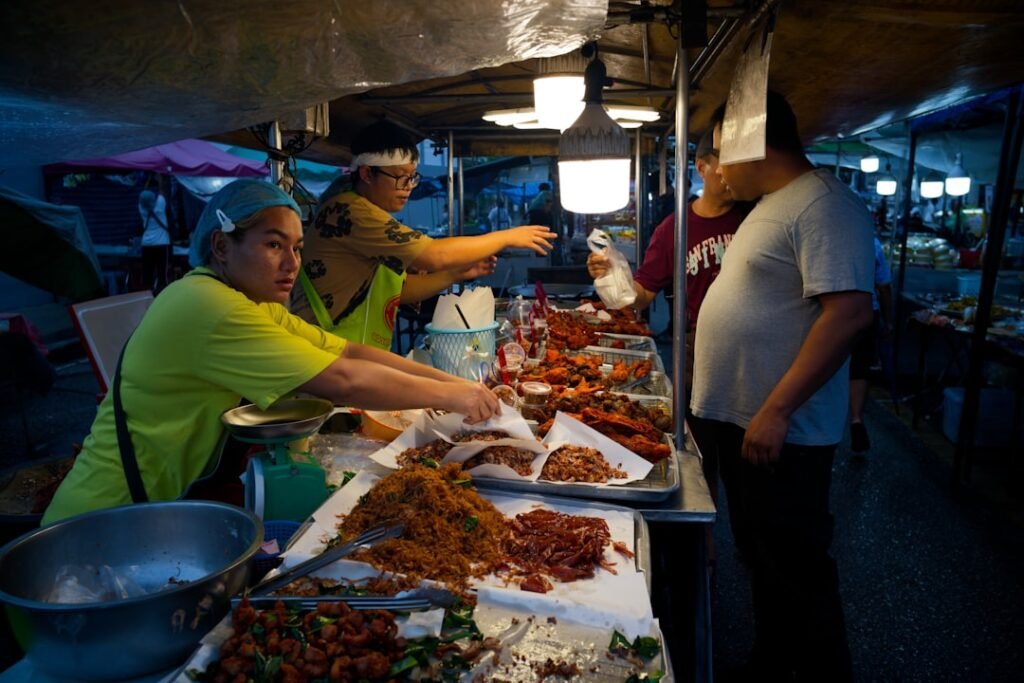

Are you ready to embark on a culinary journey that will tantalize your taste buds and leave you craving for more? Look no further than gastronomy tourism, a type of travel that combines the love of food, culture, and exploration. From sampling local delicacies to cooking classes and wine tastings, gastronomy tourism offers a unique and delicious way to experience the world’s diverse culinary landscapes. In this blog post, we’ll delve into the world of gastronomy tourism, exploring its benefits, popular destinations, and tips for making the most of your culinary adventures.
Introduction to Gastronomy Tourism
Gastronomy tourism, also known as food tourism, is a growing trend that involves traveling to experience the local cuisine and culinary traditions of a destination. It’s not just about eating; it’s about immersing yourself in the culture, history, and people behind the food. Whether you’re a foodie, a chef, or simply a curious traveler, gastronomy tourism offers a unique perspective on the world’s diverse culinary heritage. With the rise of social media, food blogs, and travel shows, the interest in gastronomy tourism has never been higher, with many travelers seeking authentic and memorable culinary experiences.
Popular Gastronomy Tourism Destinations
From the spicy streets of Bangkok to the pasta-lined alleys of Rome, the world is full of incredible gastronomy tourism destinations. Here are a few must-visit places for any food lover:
- Italy: Known for its rich culinary history, Italy is a paradise for foodies. Sample the world’s best pizza in Naples, indulge in pasta-making classes in Tuscany, or explore the wine regions of Piedmont and Veneto.
- Japan: With its unique and intricate cuisine, Japan is a fascinating destination for gastronomy tourists. Visit the Tsukiji Fish Market in Tokyo, try your hand at sushi-making, or sample the delicious street food of Osaka.
- Spain: From tapas to paella, Spain is a food lover’s dream. Explore the culinary delights of Barcelona, sample the world’s best ham in Andalusia, or visit the wine regions of Rioja and Catalonia.
- Thailand: With its spicy and sour flavors, Thai cuisine is a favorite among travelers. Visit the night markets of Bangkok, take a cooking class in Chiang Mai, or sample the delicious seafood of Phuket.
- Research, research, research: Before you travel, research the local cuisine, popular restaurants, and food markets. Look for food blogs, travel guides, and social media to get a sense of what to expect.
- Take a cooking class: Cooking classes are a great way to learn about local ingredients, cooking techniques, and culinary traditions. Not only will you learn new skills, but you’ll also get to taste the fruits of your labor.
- Eat like a local: Don’t be afraid to try new foods and drinks, even if they’re unfamiliar. Eat at local markets, street food stalls, and family-run restaurants to get a taste of the authentic cuisine.
- Be respectful: Remember to respect local customs and traditions, especially when it comes to food. Learn about table manners, dining etiquette, and cultural norms to avoid unintentionally offending your hosts.
- Economic benefits: Gastronomy tourism can generate significant revenue for local economies, supporting small businesses, farmers, and food producers.
- Cultural exchange: Gastronomy tourism promotes cultural exchange and understanding, allowing travelers to learn about local customs, traditions, and ways of life.
- Preservation of culinary heritage: By supporting local cuisine and food traditions, gastronomy tourism helps to preserve the culinary heritage of a destination, promoting the conservation of traditional cooking methods and ingredients.
- Personal growth: Gastronomy tourism can be a transformative experience, allowing travelers to challenge their assumptions, try new things, and develop new skills.
- Gastronomy tourism combines the love of food, culture, and exploration
- Popular destinations include Italy, Japan, Spain, and Thailand
- Research, cooking classes, eating like a local, and respect for local customs are key to a successful gastronomy tourism trip
- Gastronomy tourism offers economic, cultural, and personal benefits for both travelers and local communities
- Gastronomy tourism is a unique and delicious way to experience the world’s diverse culinary heritage.
Planning Your Gastronomy Tourism Trip
Planning a gastronomy tourism trip can be overwhelming, but with a few tips and tricks, you can make the most of your culinary adventure. Here are a few things to keep in mind:
The Benefits of Gastronomy Tourism
Gastronomy tourism offers a wide range of benefits, from economic to cultural. Here are a few reasons why gastronomy tourism is good for both travelers and local communities:
Conclusion
Gastronomy tourism is a delicious and rewarding way to experience the world’s diverse culinary landscapes. Whether you’re a foodie, a chef, or simply a curious traveler, gastronomy tourism offers a unique perspective on the culture, history, and people behind the food. By researching your destination, taking cooking classes, eating like a local, and being respectful of local customs, you can make the most of your culinary adventure. Remember, gastronomy tourism is not just about eating; it’s about immersing yourself in the culture, history, and people behind the food. So, pack your bags, grab your fork, and get ready to savor the flavors of the world!
Key takeaways: