
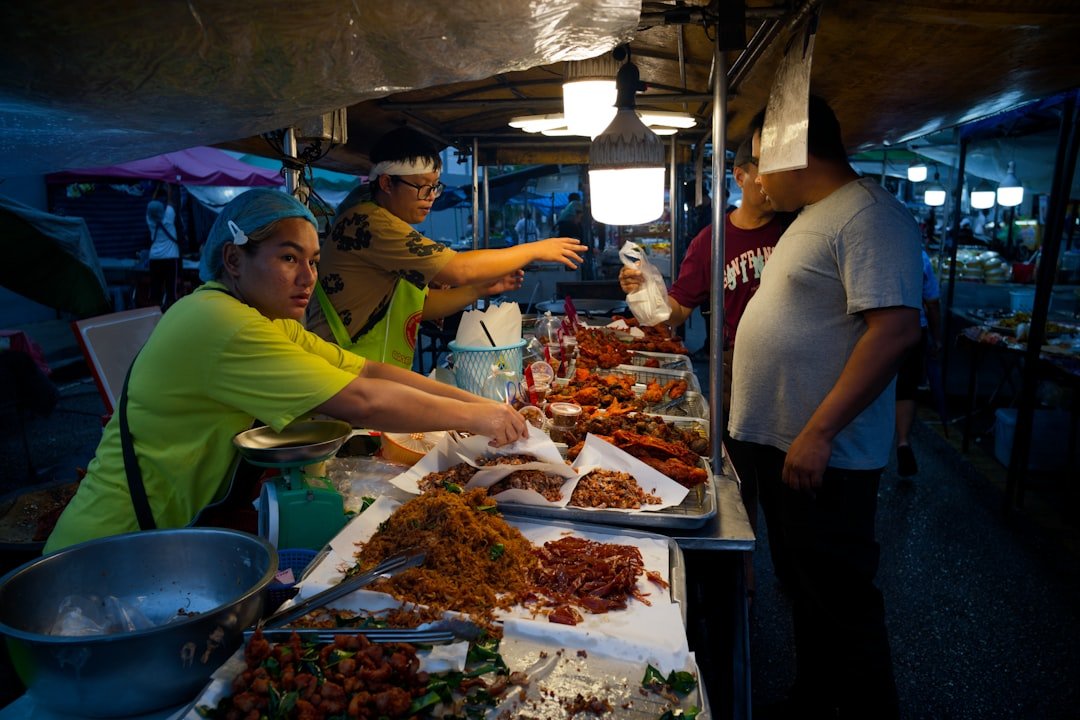
Are you ready to embark on a culinary journey that will take you to the most mouth-watering destinations around the globe? Look no further than gastronomy tourism, a type of travel that combines the love of food, culture, and exploration. From sampling the spiciest street food in Asia to indulging in the richest chocolates in Europe, gastronomy tourism is an exciting way to experience the world’s diverse culinary delights. In this comprehensive guide, we’ll delve into the world of gastronomy tourism, exploring its benefits, popular destinations, and tips for planning an unforgettable foodie adventure.
Introduction to Gastronomy Tourism
Gastronomy tourism, also known as food tourism, is a growing trend that involves traveling to experience the local cuisine and drinks of a particular region. This type of tourism is not just about eating; it’s about immersing yourself in the local culture, meeting the people, and learning about the traditions behind the food. Gastronomy tourism can range from taking a cooking class to learn the secrets of a traditional dish to visiting local markets to sample artisanal produce. With the rise of social media, foodies can now share their culinary experiences and inspire others to embark on their own gastronomic journeys. Whether you’re a seasoned foodie or just a curious traveler, gastronomy tourism offers a unique and delicious way to explore the world.
Popular Gastronomy Tourism Destinations
From the spicy curries of India to the pasta dishes of Italy, the world is full of incredible gastronomy tourism destinations. Here are some of the most popular ones:
- Japan: Known for its sushi, ramen, and tempura, Japan is a paradise for foodies. Visit the Tsukiji Fish Market in Tokyo to sample the freshest sushi, or try some delicious okonomiyaki in Osaka.
- Italy: With its rich culinary history, Italy is a must-visit destination for any food lover. From pizza in Naples to pasta in Rome, and gelato in Florence, Italy has something for every taste bud.
- Thailand: Thai cuisine is famous for its bold flavors and spices, and Thailand is a great destination for street food enthusiasts. Try some pad thai in Bangkok, or sample the spicy curries of Chiang Mai.
- Spain: From tapas in Barcelona to paella in Valencia, Spain is a culinary haven. Don’t forget to visit the famous La Boqueria Market in Barcelona to sample some local delicacies.
- Mexico: Mexican cuisine is a fusion of indigenous, European, and African flavors, and Mexico is a great destination for foodies. Try some tacos in Mexico City, or sample the delicious mole in Oaxaca.
- Research, research, research: Read food blogs, travel guides, and social media to get an idea of the local cuisine and must-try dishes.
- Take a cooking class: Cooking classes are a great way to learn about the local ingredients, cooking techniques, and traditions behind the food.
- Visit local markets: Local markets are a great place to sample artisanal produce, meet the locals, and learn about the food culture.
- Eat at local restaurants: Avoid touristy restaurants and opt for local eateries, food stalls, and street food vendors.
- Be adventurous: Don’t be afraid to try new foods, flavors, and ingredients. Gastronomy tourism is all about exploring the unknown and discovering new culinary delights.
- Cultural exchange: Gastronomy tourism promotes cultural exchange between tourists and locals, allowing for a deeper understanding and appreciation of each other’s traditions and customs.
- Economic benefits: Gastronomy tourism can generate significant revenue for local communities, supporting small businesses, farmers, and artisans.
- Preservation of traditional cuisine: By promoting traditional cuisine, gastronomy tourism helps to preserve the cultural heritage and culinary traditions of a region.
- Health benefits: Gastronomy tourism can also promote healthy eating habits, as tourists are encouraged to try local, seasonal, and organic produce.
- Gastronomy tourism is a growing trend that combines food, culture, and travel.
- Popular gastronomy tourism destinations include Japan, Italy, Thailand, Spain, and Mexico.
- Planning a gastronomy tourism trip involves researching local cuisine, taking cooking classes, visiting local markets, eating at local restaurants, and being adventurous.
- Gastronomy tourism promotes cultural exchange, economic benefits, preservation of traditional cuisine, and healthy eating habits.
Planning a Gastronomy Tourism Trip
Planning a gastronomy tourism trip can be overwhelming, especially with so many delicious destinations to choose from. Here are some tips to help you plan an unforgettable foodie adventure:
Benefits of Gastronomy Tourism
Gastronomy tourism is not just about food; it’s also about the cultural, social, and economic benefits that come with it. Here are some of the benefits of gastronomy tourism:
Conclusion
Gastronomy tourism is a delicious way to explore the world, combining the love of food, culture, and travel. Whether you’re a seasoned foodie or just a curious traveler, gastronomy tourism offers a unique and unforgettable experience. From sampling the spiciest street food in Asia to indulging in the richest chocolates in Europe, the world is full of incredible gastronomy tourism destinations. By following these tips and guidelines, you can plan an unforgettable foodie adventure that will leave you with a full stomach, a happy heart, and a newfound appreciation for the world’s diverse culinary delights. So, pack your bags, grab your fork, and get ready to savor the flavors of the world!
Key takeaways:
By incorporating relevant keywords naturally throughout the content, this guide provides valuable and actionable information for anyone looking to embark on a gastronomy tourism adventure. Whether you’re a foodie, a traveler, or just a curious individual, this guide is sure to inspire you to explore the world’s diverse culinary delights and savor the flavors of the world.