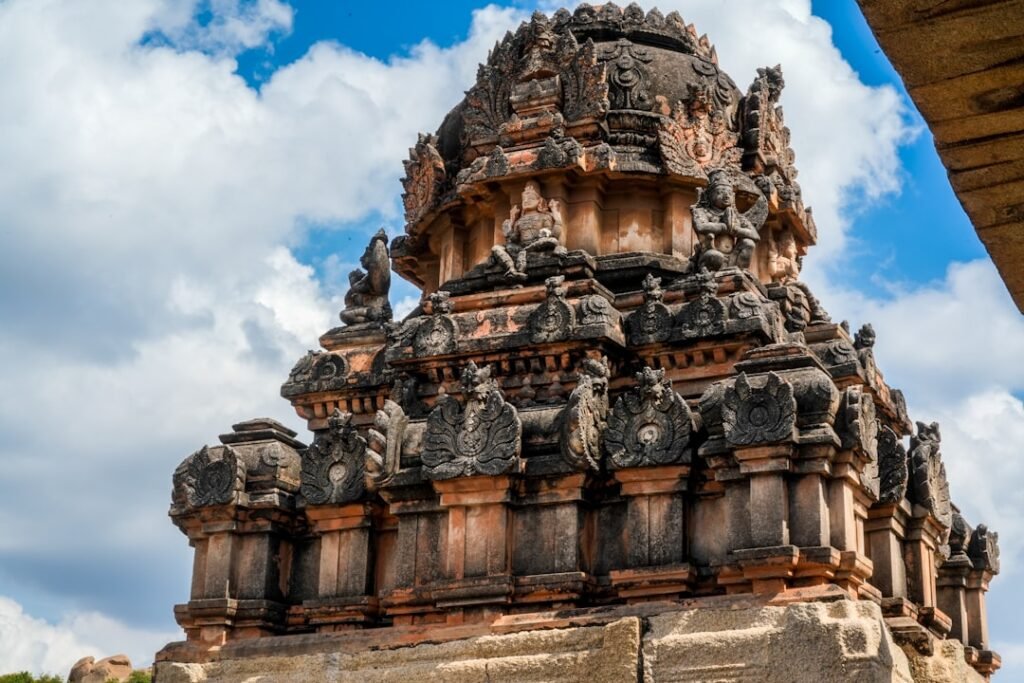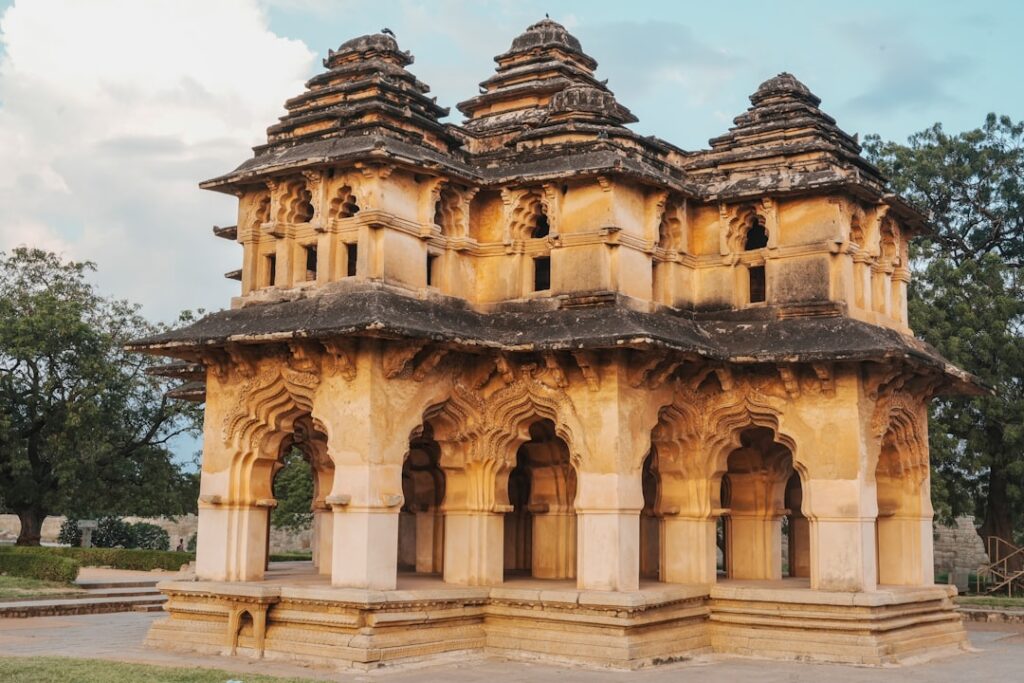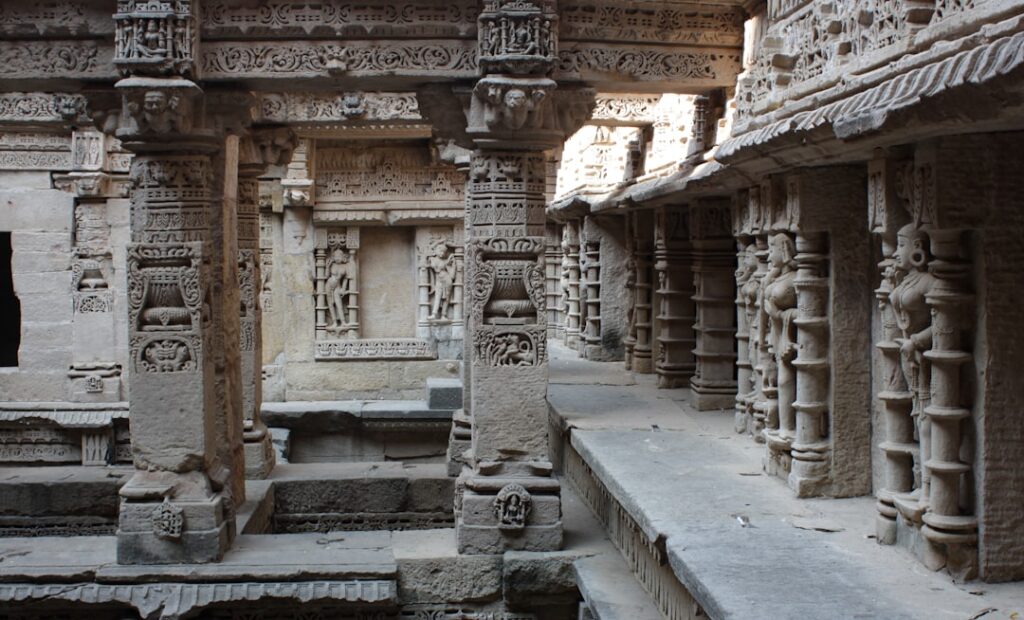
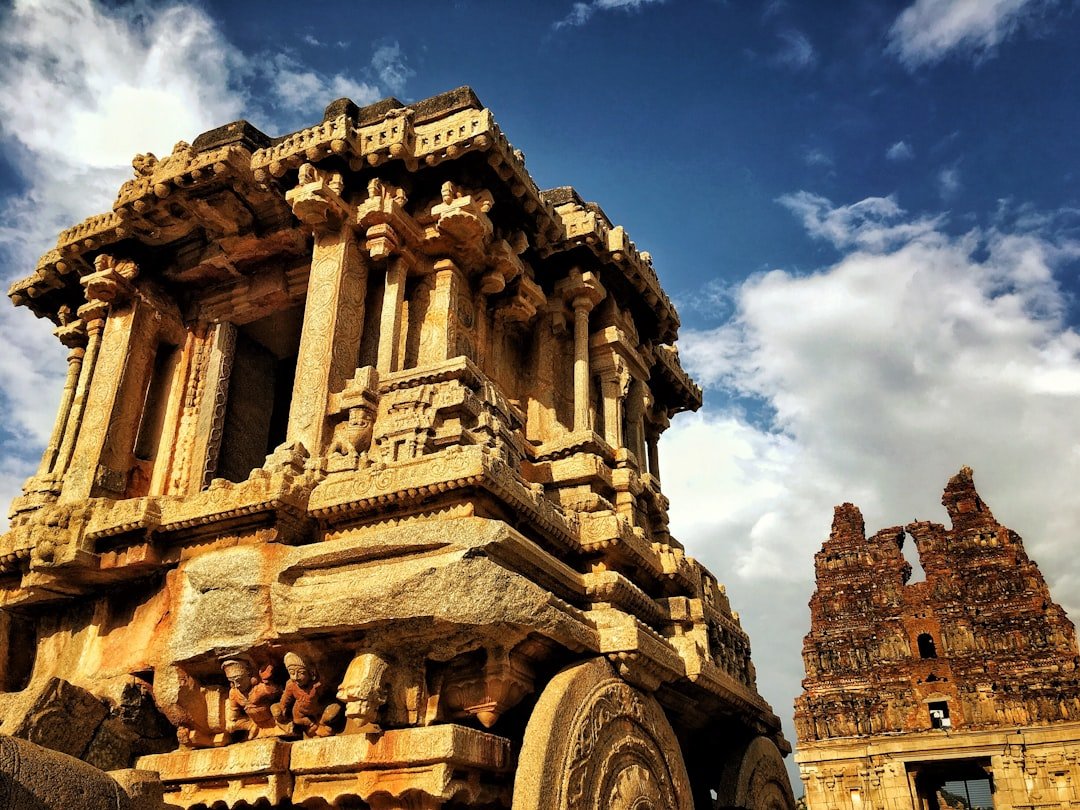
As you step into the realm of ancient temples in India, you’re not just walking into a place of worship – you’re entering a world of breathtaking architecture, rich history, and deep spiritual significance. With over 2 million temples scattered across the country, India is a treasure trove of ancient structures that have withstood the test of time, each one a testament to the ingenuity and craftsmanship of bygone eras. From the majestic temples of South India to the intricately carved monuments of the North, every region in India boasts its own unique brand of temple architecture, waiting to be explored and experienced. In this blog post, we’ll embark on a fascinating journey to uncover the secrets and significance of ancient temples in India, highlighting their historical importance, architectural wonders, and the spiritual practices that have been an integral part of Indian culture for centuries.
The Historical Significance of Ancient Temples in India
Ancient temples in India are more than just places of worship; they’re windows into the country’s rich cultural heritage and historical past. Many of these temples were built during the reign of various dynasties, such as the Pallavas, Cholas, and Vijayanagara empires, who left an indelible mark on Indian architecture, art, and spirituality. The temples of Khajuraho, for instance, are renowned for their exquisite carvings and sculptures, which depict scenes from everyday life, mythology, and spiritual practices. Similarly, the Brihadeeswara Temple in Thanjavur, a UNESCO World Heritage Site, is a masterpiece of Chola architecture, exemplifying the engineering and artistic prowess of the time. Understanding the historical context of these temples not only deepens our appreciation for their beauty but also provides insights into the societal values, beliefs, and practices of ancient Indian civilizations.
Architectural Wonders: Unraveling the Secrets of Temple Design
The architecture of ancient temples in India is a fascinating blend of functionality, spirituality, and aesthetics. Each temple is designed to represent the cosmic universe, with its various components symbolizing different aspects of existence. The towering gopurams (gateways), the intricately carved mandapams (halls), and the sacred garbhagriha (sanctum sanctorum) are all integral parts of the temple complex, each serving a specific purpose in the spiritual journey of the devotee. The use of natural materials like stone, wood, and brick, combined with advanced engineering techniques, has enabled these structures to withstand natural disasters and the ravages of time. The Konark Sun Temple in Odisha, with its majestic stone wheels and intricate carvings, is a testament to the innovative architectural practices of ancient India. By studying the design and construction of these temples, we can gain a deeper appreciation for the ingenuity and craftsmanship of ancient Indian architects.
Spiritual Practices and Rituals: The Heart of Ancient Temples
At the heart of every ancient temple in India lies a deep sense of spirituality and devotion. These temples have been the focal point of religious and cultural practices for centuries, with millions of devotees flocking to them to seek solace, blessings, and enlightenment. The rituals and ceremonies performed in these temples, such as the daily pujas (worship services) and the annual festivals, are an integral part of Indian spiritual tradition. The temples of Tirupati, Sabarimala, and Vaishno Devi, among others, attract millions of pilgrims every year, who embark on arduous journeys to reach these sacred destinations. By participating in these spiritual practices and rituals, devotees can experience a sense of connection with the divine, as well as with their own cultural heritage. Whether you’re a spiritual seeker or simply a curious traveler, visiting an ancient temple in India can be a profoundly moving and enriching experience.
Preserving the Legacy of Ancient Temples in India
As we marvel at the beauty and significance of ancient temples in India, it’s essential to acknowledge the challenges they face in the modern era. Many of these temples are struggling to cope with the pressures of urbanization, pollution, and neglect, which threaten to erode their structural integrity and cultural significance. Efforts are being made by the Indian government, conservation organizations, and local communities to preserve and restore these ancient monuments, using techniques that balance modernity with tradition. The use of sustainable tourism practices, for instance, can help support the conservation of these temples, while also promoting cross-cultural understanding and appreciation. By supporting these initiatives and adopting responsible travel practices, we can play a vital role in preserving the legacy of ancient temples in India for future generations.
In conclusion, ancient temples in India are a testament to the country’s rich cultural heritage and spiritual traditions. From their historical significance and architectural wonders to their spiritual practices and rituals, these temples offer a unique window into the soul of India. As we explore and experience these ancient structures, we’re not just admiring their beauty; we’re also connecting with the people, practices, and philosophies that have shaped Indian civilization over the centuries. Whether you’re a history buff, a spiritual seeker, or simply a curious traveler, the ancient temples of India have something to offer everyone. So, come and embark on this journey through time, and discover the mystical world of ancient temples in India – a world that will leave you spellbound, inspired, and transformed forever.