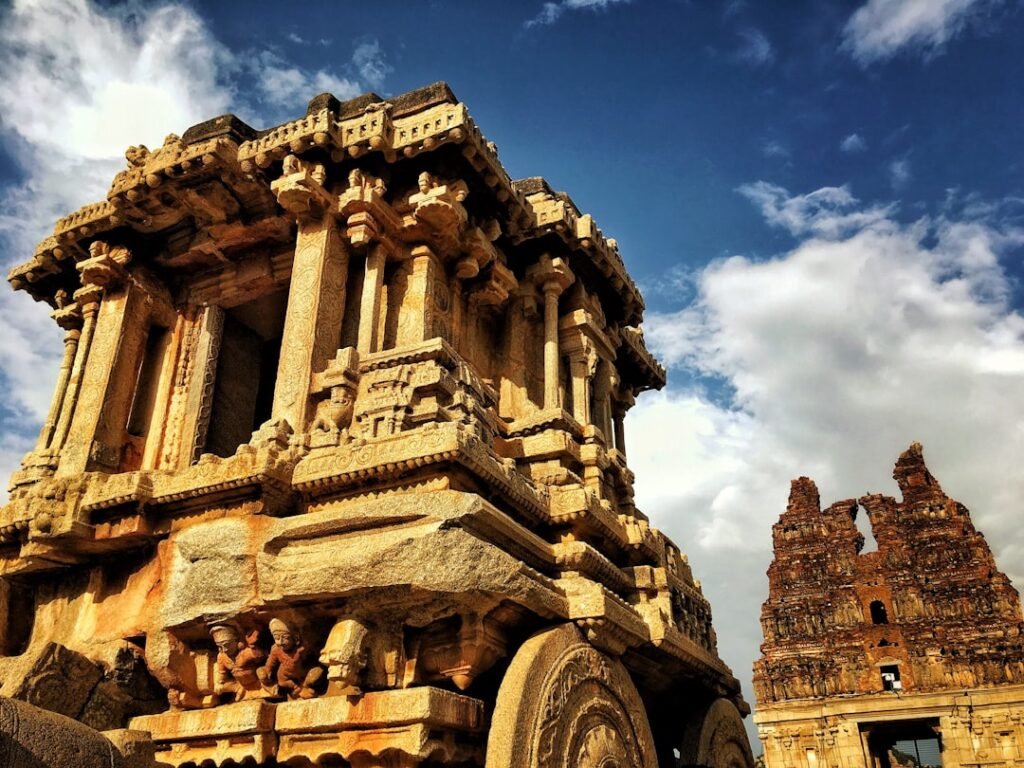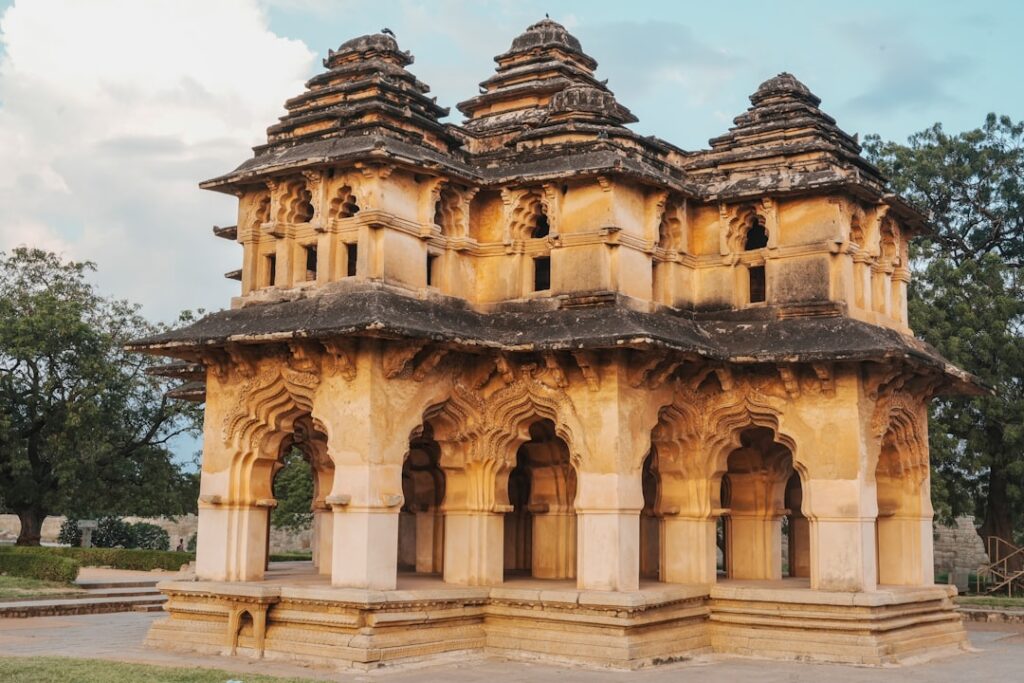
As we step into the realm of ancient India, we are met with a treasure trove of mysterious temples, each whispering tales of a bygone era. The air is thick with the scent of incense, and the whispers of the past echo through the intricately carved pillars, leaving us spellbound and yearning for more. With a rich history spanning over 5,000 years, India is home to some of the most breathtaking and awe-inspiring ancient temples in the world. From the majestic Sun Temple of Konark to the majestic Brihadeeswara Temple of Thanjavur, each temple is a testament to the country’s architectural prowess, spiritual depth, and cultural diversity. In this blog post, we will embark on a fascinating journey to explore the ancient temples of India, delving into their history, significance, and architectural marvels.
Introduction to Ancient Indian Temples
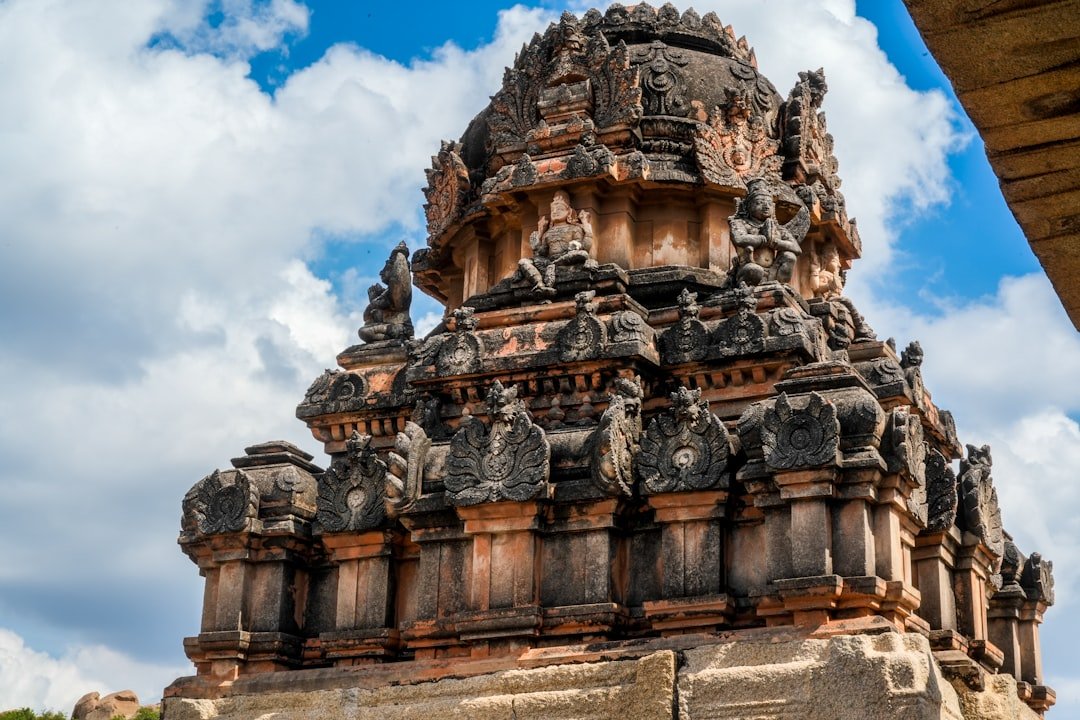
The ancient temples of India are a window into the country’s glorious past, showcasing the artistic, cultural, and spiritual achievements of its people. These temples were not just places of worship but also served as centers of learning, art, and architecture. With over 2 million temples scattered across the country, each one is a unique blend of mythology, history, and culture. The ancient Indian temples can be broadly classified into three categories: North Indian, South Indian, and Eastern Indian, each with its distinct architectural style, deity, and historical significance. The North Indian temples, such as the Khajuraho Group of Monuments, are known for their intricate carvings, ornate sculptures, and majestic structures. The South Indian temples, like the Meenakshi Amman Temple, are famous for their towering gopurams, vibrant paintings, and ornate carvings. The Eastern Indian temples, including the Sun Temple of Konark, are renowned for their stunning sun worship architecture and intricate stone carvings.
Exploring the Most Famous Ancient Temples in India
India is home to some of the most famous and revered ancient temples in the world, each with its unique history, mythology, and architectural style. The Brihadeeswara Temple of Thanjavur, built by the Chola dynasty in the 11th century, is one of the largest and most magnificent temples in India. The temple’s towering vimana, intricate carvings, and stunning frescoes make it a must-visit destination for any temple enthusiast. The Khajuraho Group of Monuments, a UNESCO World Heritage Site, is another iconic temple complex that showcases the artistic and architectural prowess of the Chandela dynasty. The Sun Temple of Konark, built in the 13th century, is a masterpiece of Odisha’s temple architecture, with its stunning sun worship design, intricate carvings, and majestic structure. Other notable ancient temples in India include the Kailash Temple of Ellora, the Shore Temple of Mahabalipuram, and the Somnath Temple of Gujarat.
Uncovering the Architectural Marvels of Ancient Indian Temples
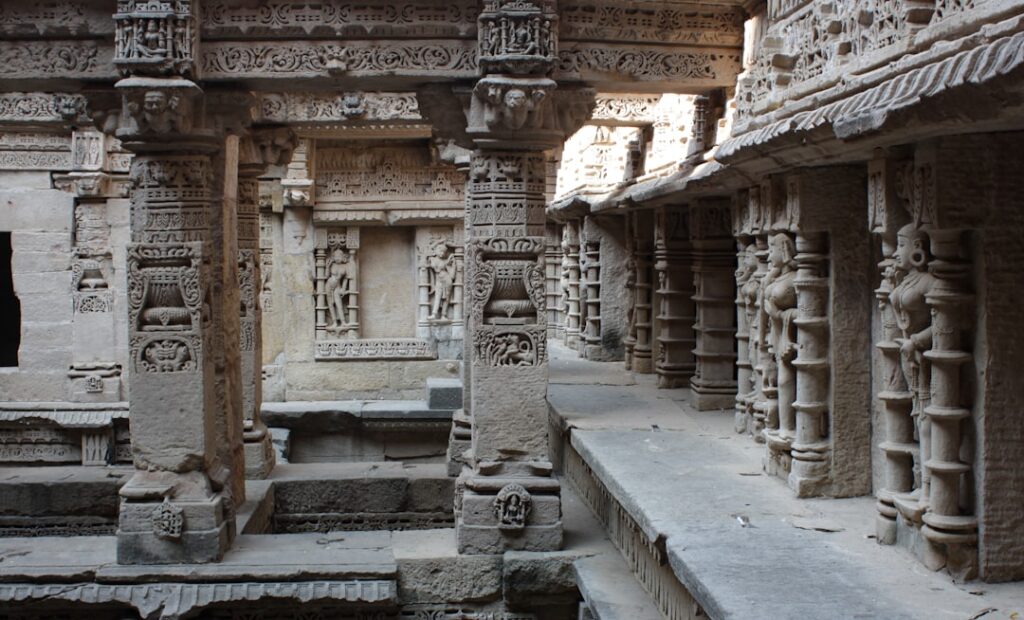
The ancient temples of India are a testament to the country’s architectural ingenuity, with each temple showcasing a unique blend of materials, techniques, and designs. The temples were built using a variety of materials, including stone, brick, wood, and metal, with each material chosen for its durability, availability, and aesthetic appeal. The ancient Indian architects developed innovative techniques, such as the use of interlocking stones, to construct massive structures that have withstood the test of time. The temples also feature intricate carvings, ornate sculptures, and stunning frescoes, showcasing the artistic skills of the craftsmen. The use of symbolism, mythology, and astrology in temple architecture adds another layer of depth and meaning to these ancient structures. The ancient Indian temples are also notable for their acoustics, with many temples designed to produce a unique sound or echo, adding to the spiritual and mystical experience of the devotees.
Conservation Efforts and Tourism
As we marvel at the ancient temples of India, it is essential to acknowledge the conservation efforts that have helped preserve these structures for future generations. The Indian government, along with various international organizations, has launched several initiatives to protect and restore these ancient temples. The Archaeological Survey of India (ASI) plays a crucial role in conserving and managing the country’s cultural heritage, including the ancient temples. The tourism industry also plays a significant role in promoting the ancient temples of India, with many temples attracting millions of visitors each year. However, tourism also poses a threat to the conservation of these temples, with increased footfall and human activity leading to wear and tear. It is essential for tourists to respect the sanctity of these ancient structures, follow guidelines, and support sustainable tourism practices to ensure the long-term preservation of these ancient wonders.
Conclusion and Key Takeaways
As we conclude our journey through the ancient temples of India, we are left with a sense of awe, wonder, and appreciation for the country’s rich cultural heritage. The ancient temples of India are a testament to the country’s architectural prowess, spiritual depth, and cultural diversity. Whether you are a history buff, an architecture enthusiast, or a spiritual seeker, the ancient temples of India have something to offer. As we explore these timeless structures, we are reminded of the importance of conservation, sustainability, and responsible tourism. By supporting conservation efforts and adopting eco-friendly practices, we can help preserve these ancient wonders for future generations. Some key takeaways from our journey include:
- The ancient temples of India are a window into the country’s glorious past, showcasing its artistic, cultural, and spiritual achievements.
- The temples can be broadly classified into three categories: North Indian, South Indian, and Eastern Indian, each with its distinct architectural style, deity, and historical significance.
- The ancient temples of India are a testament to the country’s architectural ingenuity, with innovative materials, techniques, and designs used to construct these massive structures.
- Conservation efforts and sustainable tourism practices are essential to preserve these ancient wonders for future generations.
As we bid farewell to the ancient temples of India, we are left with a sense of gratitude and appreciation for the country’s rich cultural heritage. Whether you are planning a trip to India or simply exploring the country’s history and culture, the ancient temples of India are sure to leave you spellbound and inspired. With their stunning architecture, intricate carvings, and rich history, these ancient wonders are a must-visit destination for anyone interested in exploring the timeless treasures of India.