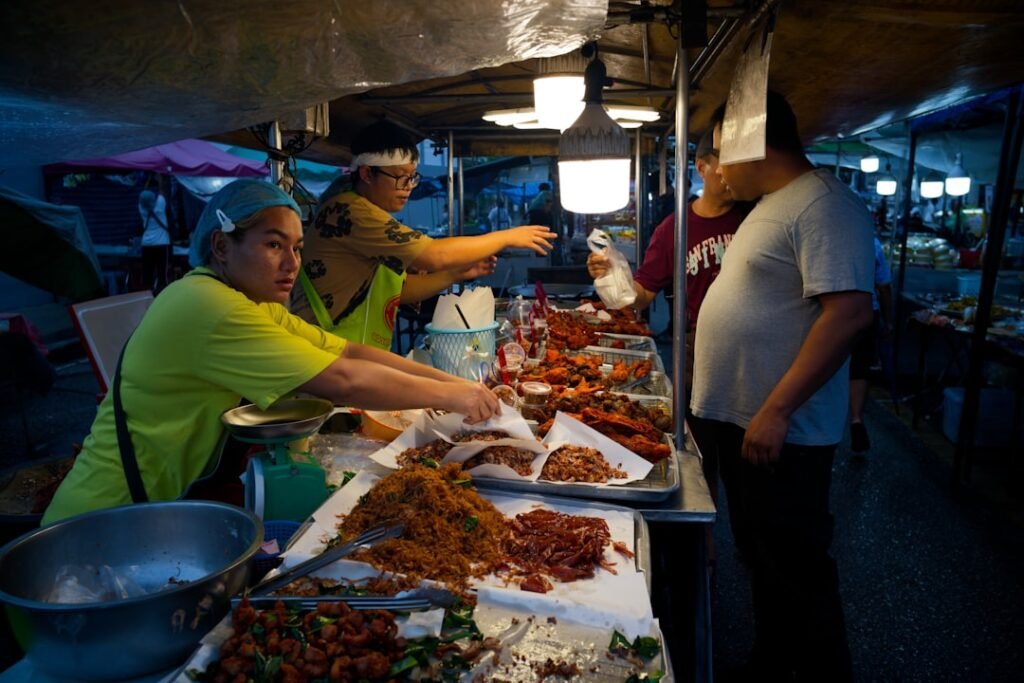
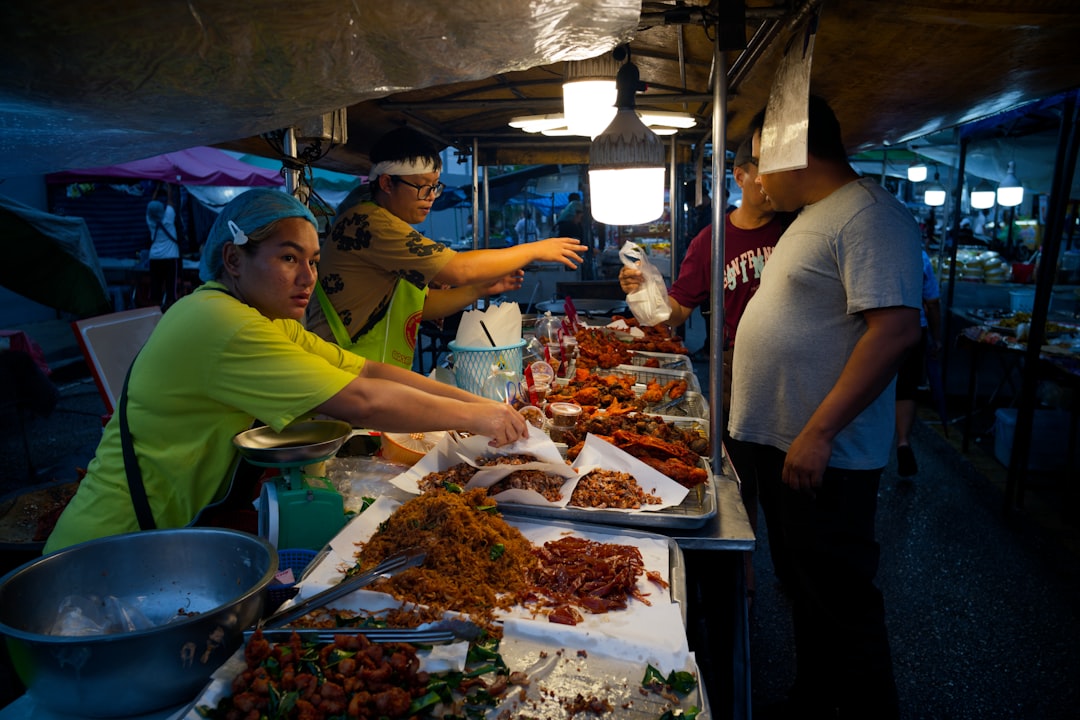
As the world becomes increasingly connected, travelers are no longer content with simply visiting new destinations; they want to immerse themselves in the local culture, and what better way to do that than through food? Gastronomy tourism, also known as food tourism, has become a booming industry, with travelers flocking to destinations around the globe to sample local cuisine, drinks, and culinary traditions. From wine tastings in Tuscany to street food tours in Bangkok, gastronomy tourism offers a unique and delicious way to experience the authentic flavors of a region. In this blog post, we’ll delve into the world of gastronomy tourism, exploring its benefits, popular destinations, and tips for planning your next culinary adventure.
What is Gastronomy Tourism?
Gastronomy tourism is a type of tourism that focuses on the exploration of local food, drink, and culinary traditions. It’s about experiencing the authentic flavors, ingredients, and cooking techniques of a region, and understanding the cultural significance of food in that destination. Gastronomy tourism can take many forms, from guided food tours and cooking classes to wine tastings and visits to local markets. Whether you’re a foodie, a culinary enthusiast, or simply looking to try new flavors, gastronomy tourism offers a unique and immersive way to experience a destination.
Popular Destinations for Gastronomy Tourism
Some destinations are more renowned for their culinary delights than others, and these places have become magnets for gastronomy tourists. Italy, for example, is famous for its pasta dishes, pizza, and wine, with regions like Tuscany, Umbria, and Piedmont offering a wealth of culinary experiences. Japan is another popular destination, with its vibrant food culture, sushi restaurants, and traditional izakayas. Other notable destinations for gastronomy tourism include Spain, with its tapas bars and paella; Thailand, with its spicy street food and night markets; and Mexico, with its tacos, mole, and tequila. These destinations offer a wide range of culinary experiences, from fine dining to street food, and from wine tastings to cooking classes.
Planning Your Gastronomy Tour
If you’re interested in planning a gastronomy tour, there are several things to consider. First, research your destination and its local cuisine, looking for authentic restaurants, food markets, and culinary experiences. Consider booking a guided food tour or cooking class, which can provide valuable insights into the local food culture and introduce you to new flavors and ingredients. Don’t be afraid to try new things, even if they’re outside your comfort zone; gastronomy tourism is all about experimentation and discovery. Additionally, be respectful of local customs and traditions, and try to support local businesses and food vendors. By doing so, you’ll not only have a more authentic experience but also contribute to the local economy.
Benefits of Gastronomy Tourism
Gastronomy tourism offers a wide range of benefits, both for travelers and local communities. For travelers, it provides a unique and immersive way to experience a destination, allowing them to connect with local people, learn about their culture, and try new foods and drinks. Gastronomy tourism can also be a great way to support local businesses and food vendors, contributing to the local economy and helping to preserve traditional culinary practices. For local communities, gastronomy tourism can be a valuable source of income, creating jobs and stimulating economic growth. Additionally, it can help to promote cultural exchange and understanding, breaking down barriers and fostering greater appreciation for different cultures and traditions.
Conclusion and Key Takeaways
In conclusion, gastronomy tourism is a rapidly growing industry that offers a unique and delicious way to experience the authentic flavors of a region. By exploring local food, drink, and culinary traditions, travelers can connect with local people, learn about their culture, and try new flavors and ingredients. Whether you’re a foodie, a culinary enthusiast, or simply looking to try new things, gastronomy tourism has something to offer. Key takeaways from this blog post include the importance of researching your destination and its local cuisine, trying new things and being open to experimentation, and supporting local businesses and food vendors. By following these tips and embracing the principles of gastronomy tourism, you’ll be well on your way to savoring the flavors of the world and creating unforgettable culinary experiences. So why not start planning your next gastronomy tour today, and get ready to indulge in the delicious flavors and traditions of a new destination?