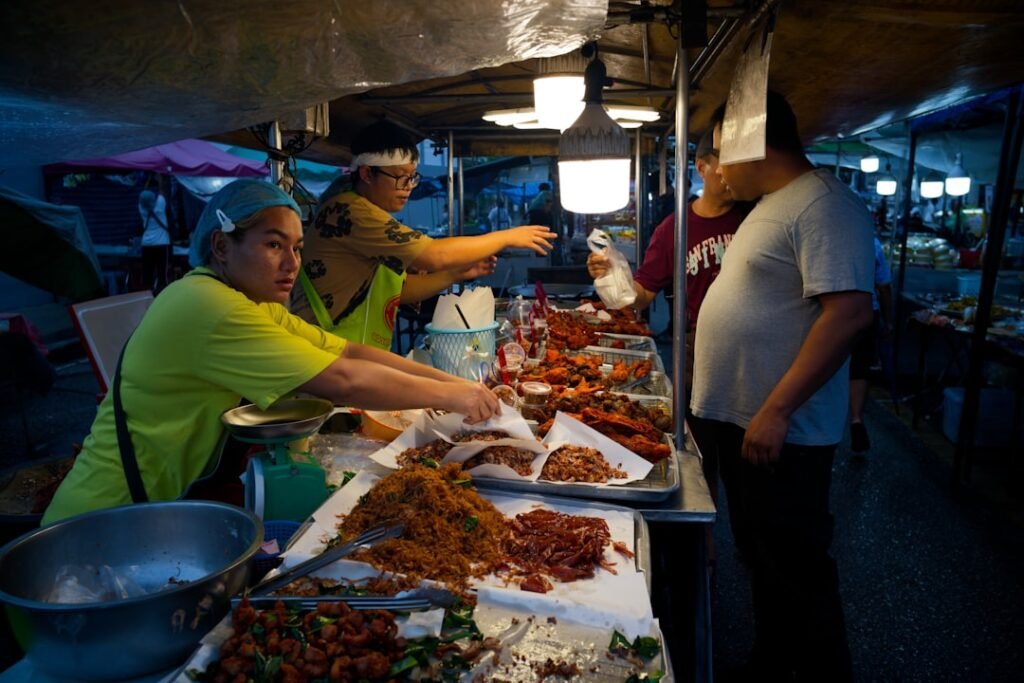

As the old adage goes, “the way to a person’s heart is through their stomach.” For foodies and travel enthusiasts alike, gastronomy tourism has become a thrilling way to explore new destinations and immerse oneself in the local culture. The allure of savoring authentic, mouth-watering dishes and drinks in their place of origin is a major draw for many travelers. In this blog post, we’ll delve into the world of gastronomy tourism, exploring its benefits, popular destinations, and tips for making the most of your culinary adventures.
Introduction to Gastronomy Tourism
Gastronomy tourism, also known as food tourism, refers to the practice of traveling to experience the local cuisine and beverages of a particular region. This type of tourism has gained immense popularity in recent years, with many travelers seeking to indulge in unique and authentic culinary experiences. Gastronomy tourism not only satisfies our taste buds but also provides a deeper understanding of the local culture, history, and traditions. By exploring the local food scene, travelers can gain insight into the daily lives of the people, their customs, and their values. Whether you’re a seasoned foodie or just a curious traveler, gastronomy tourism offers a wealth of exciting experiences waiting to be discovered.
Popular Destinations for Gastronomy Tourism
From the spicy streets of Bangkok to the pasta-filled alleys of Italy, the world is filled with incredible destinations for gastronomy tourism. Some of the most popular destinations include:
- Japan: Known for its sushi, ramen, and tempura, Japan is a paradise for food lovers. Visit the Tsukiji Fish Market in Tokyo to sample the freshest sushi, or explore the streets of Kyoto for a taste of traditional Japanese cuisine.
- Italy: With its rich culinary history, Italy is a must-visit destination for any food enthusiast. From pizza in Naples to pasta in Rome, and gelato in Florence, Italy has something to offer every palate.
- Thailand: Thai cuisine is famous for its bold flavors and spices, and visitors can sample dishes like pad thai, tom yum soup, and green curry in the bustling streets of Bangkok.
- Spain: Tapas, paella, and sangria are just a few of the delicious treats awaiting visitors in Spain. Explore the culinary scene in Barcelona, Madrid, and Seville for a taste of authentic Spanish cuisine.
- Mexico: From tacos to tamales, and mole to mezcal, Mexico is a treasure trove of culinary delights. Visit the vibrant cities of Mexico City, Oaxaca, and Cancun to experience the diverse flavors of Mexican cuisine.
- Research, research, research: Before traveling to a new destination, research the local cuisine, popular dishes, and must-visit restaurants. This will help you make the most of your time and ensure that you don’t miss out on any culinary highlights.
- Be adventurous: Gastronomy tourism is all about trying new things, so be sure to step out of your comfort zone and sample local delicacies. From fried insects to exotic spices, the world of food is full of surprises.
- Eat like a local: Instead of sticking to touristy restaurants, try to eat like a local. Visit street food stalls, markets, and family-run eateries to experience the authentic flavors of the region.
- Take a food tour: Guided food tours are an excellent way to discover the local cuisine and learn about the history and culture behind the food. Many tour operators offer food tours, wine tastings, and cooking classes, so be sure to check them out.
- Respect local customs: When trying new foods, be sure to respect local customs and traditions. For example, in some cultures, it’s considered impolite to eat with your left hand, so be sure to follow local etiquette.
- Cultural exchange: Gastronomy tourism provides a unique opportunity for cultural exchange, allowing travelers to learn about local customs, traditions, and ways of life.
- Economic benefits: Food tourism can generate significant revenue for local economies, supporting small businesses, farmers, and artisans.
- Preservation of traditional cuisine: By promoting local cuisine, gastronomy tourism helps to preserve traditional cooking methods, ingredients, and recipes, ensuring that they are passed down to future generations.
- Community development: Food tourism can also contribute to community development, supporting local initiatives, and promoting social cohesion.
- Gastronomy tourism is a growing trend that offers a unique way to experience local culture and cuisine.
- Popular destinations for gastronomy tourism include Japan, Italy, Thailand, Spain, and Mexico.
- Tips for gastronomy tourism include researching local cuisine, being adventurous, eating like a local, taking a food tour, and respecting local customs.
- The benefits of gastronomy tourism include cultural exchange, economic benefits, preservation of traditional cuisine, and community development.
Tips for Gastronomy Tourism
To make the most of your gastronomy tourism experience, here are some valuable tips to keep in mind:
The Benefits of Gastronomy Tourism
Gastronomy tourism offers a wide range of benefits, not only for travelers but also for local communities. Some of the key benefits include:
Conclusion
Gastronomy tourism is a thrilling way to explore new destinations, immerse oneself in local culture, and indulge in delicious cuisine. By following the tips and guidelines outlined in this post, travelers can make the most of their culinary adventures and create unforgettable memories. Whether you’re a foodie, a travel enthusiast, or simply someone who loves to try new things, gastronomy tourism has something to offer everyone. So why not start planning your next culinary adventure today? With its rich flavors, vibrant cultures, and warm hospitality, the world of gastronomy tourism is waiting for you. Key takeaways from this post include:
By embracing the world of gastronomy tourism, travelers can discover new flavors, make unforgettable memories, and support local communities. So why not join the culinary journey and start savoring the flavors of the world today?