As you step into the realm of ancient temples in India, you’re not just walking into a place of worship, but into a world of rich history, architecture, and spirituality. With over 2 million temples scattered across the country, each one tells a story of its own, weaving a tapestry of India’s diverse cultural heritage. From the intricate carvings of the Khajuraho temples to the majestic grandeur of the Konark Sun Temple, these ancient structures have stood the test of time, beckoning travelers and pilgrims alike to experience their mystique. In this blog post, we’ll embark on a journey to explore the fascinating world of ancient temples in India, delving into their history, significance, and what makes them a must-visit destination for anyone interested in history, architecture, or spirituality.
Introduction to Ancient Temples in India
India’s ancient temples are a testament to the country’s glorious past, with some dating back to over 2,000 years. These temples were not just places of worship but also served as centers of learning, art, and culture. The ancient Indians believed that temples were a bridge between the mortal world and the divine, and therefore, they were built with precision and dedication. The temples were designed to align with the celestial bodies, incorporating intricate carvings, sculptures, and ornaments that depicted mythological stories and legends. The ancient temples in India can be broadly classified into three categories: Hindu temples, Jain temples, and Buddhist temples, each with its unique architecture and historical significance.
Exploring the Architectural Marvels of Ancient Temples
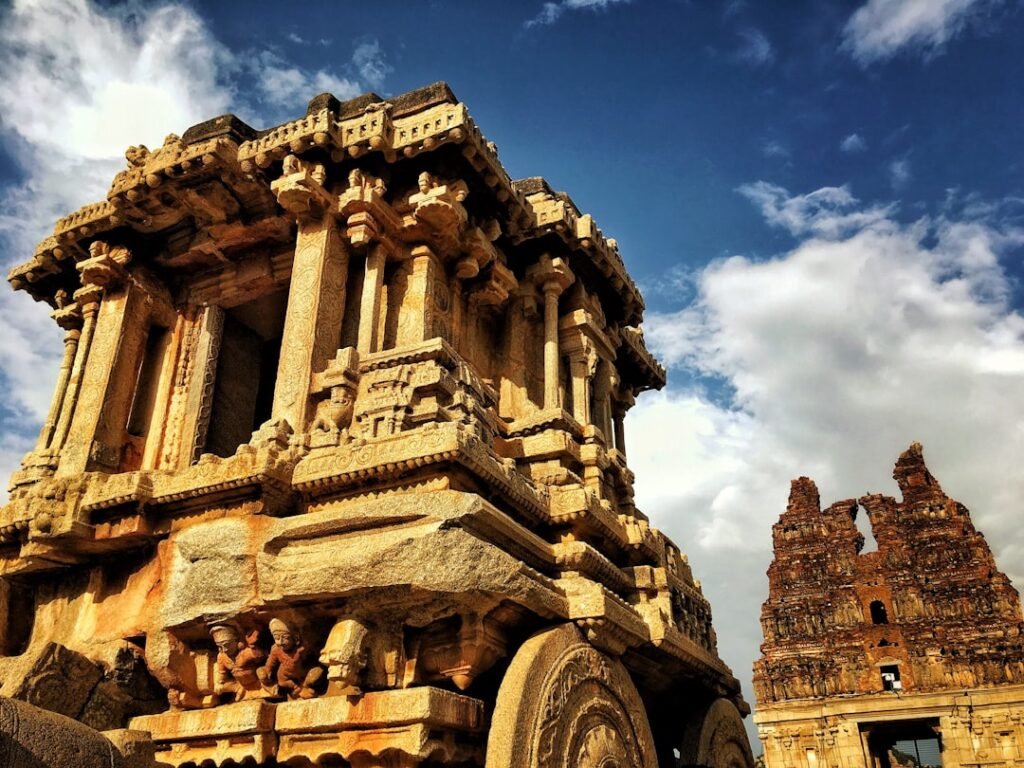
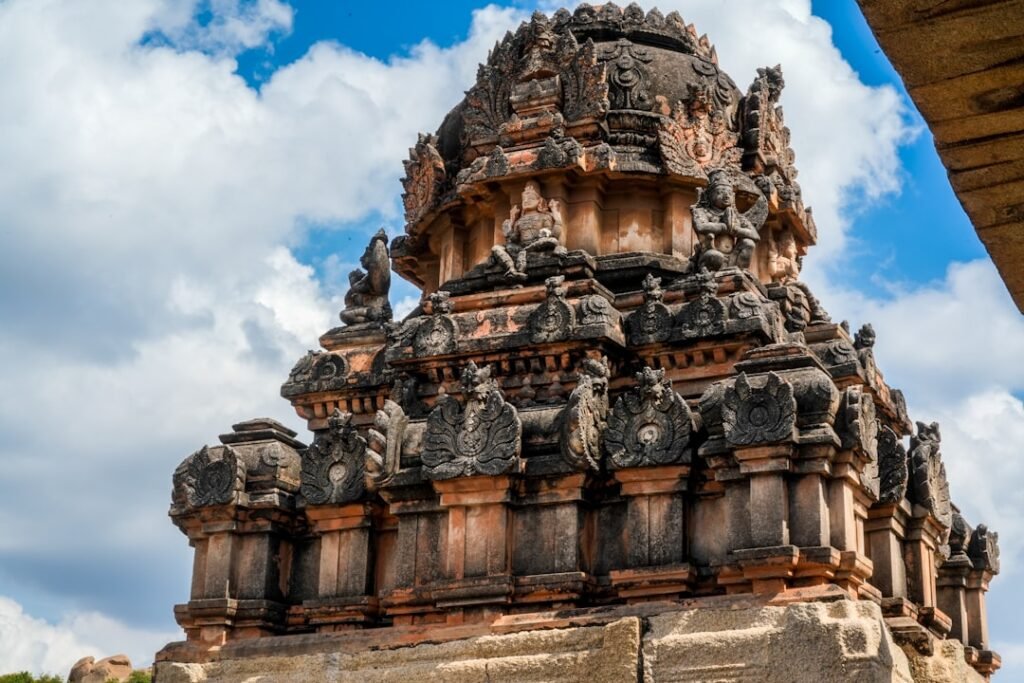
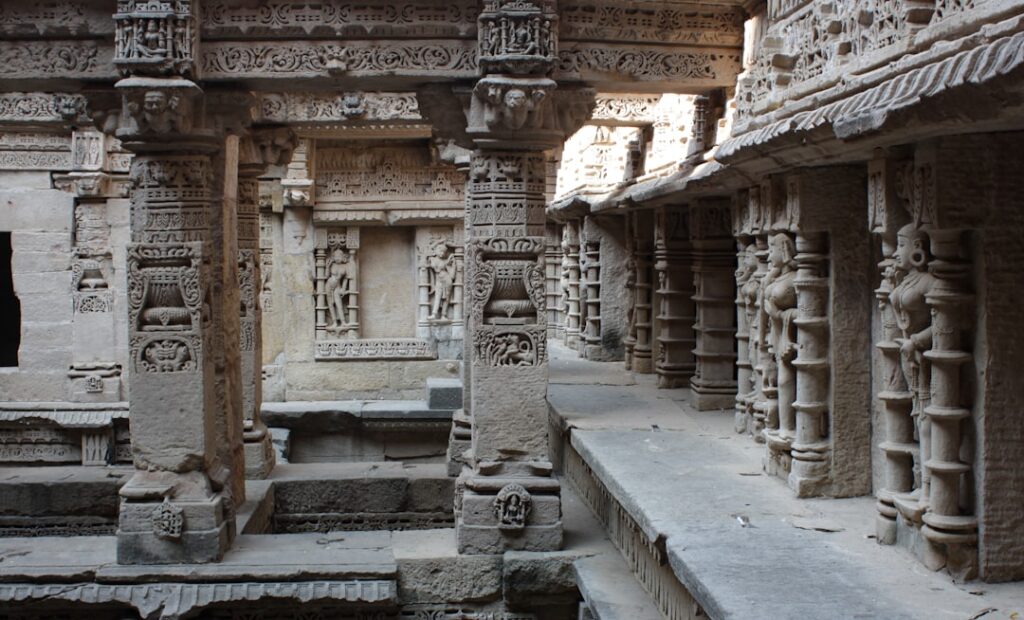
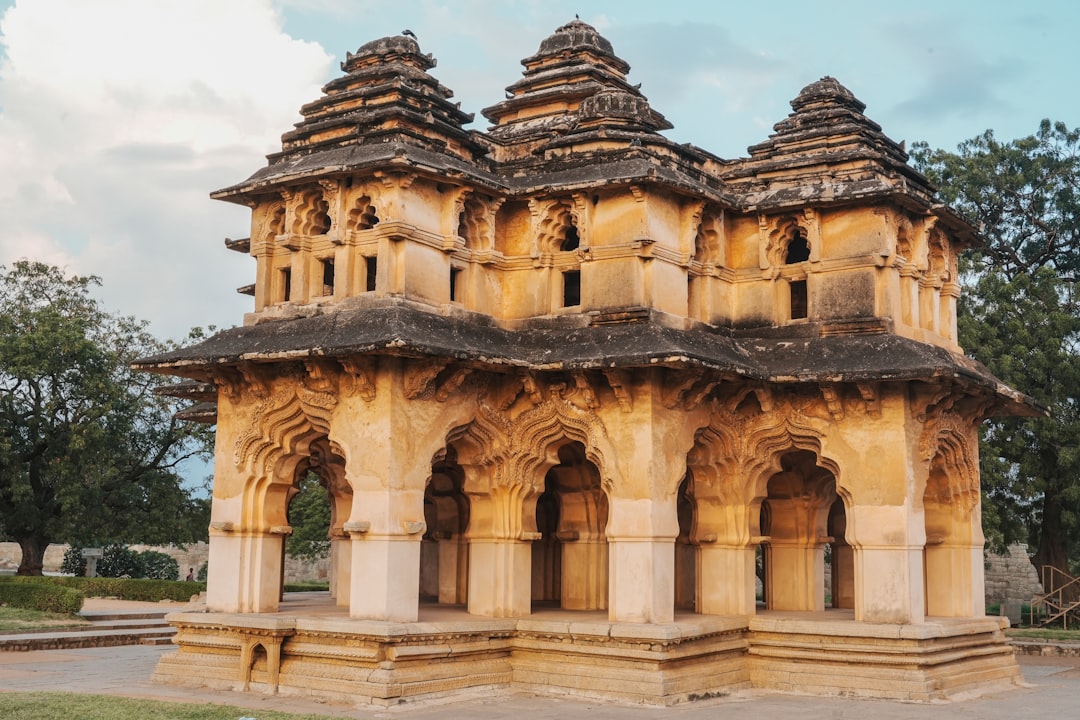
The ancient temples in India are renowned for their stunning architecture, which reflects the ingenuity and craftsmanship of the Indian artisans. The temples were built using local materials, such as stone, brick, and wood, and were designed to withstand the test of time. The Khajuraho temples, for example, are famous for their intricate carvings and sculptures, which depict scenes from everyday life, mythology, and erotica. The Konark Sun Temple, on the other hand, is an exemplary example of ancient Indian architecture, with its massive wheels and horses carved out of stone. The temples of South India, such as the Brihadeeswara Temple in Thanjavur, are known for their towering gopurams (gateways) and intricate carvings, which showcase the region’s rich cultural heritage.
Spiritual Significance of Ancient Temples in India
The ancient temples in India are not just architectural marvels but also hold significant spiritual value. For millions of Indians, these temples are a sacred pilgrimage destination, where they come to seek solace, peace, and enlightenment. The temples are believed to possess a divine energy, which is said to heal, protect, and guide the devotees. The ancient Indians believed in the concept of “darshan,” which refers to the act of seeing and being seen by the divine. The temples were designed to facilitate this experience, with the idols of the deities placed in a way that allows the devotees to have a direct visual connection with the divine. The spiritual significance of these temples is still palpable today, with millions of devotees visiting them every year to seek blessings, perform rituals, and experience the divine.
Preserving the Legacy of Ancient Temples in India
As we marvel at the grandeur and beauty of ancient temples in India, it’s essential to acknowledge the challenges they face in terms of preservation and conservation. Many of these temples are struggling to cope with the effects of time, weather, and human neglect. The Indian government, along with various NGOs and organizations, has launched several initiatives to preserve and restore these ancient structures. The Archaeological Survey of India (ASI) is working tirelessly to conserve and protect the country’s cultural heritage, including the ancient temples. Additionally, many private organizations and individuals are also contributing to the preservation efforts, recognizing the significance of these temples as a part of India’s cultural identity.
Conclusion and Key Takeaways
As we conclude our journey through the ancient temples of India, we’re left with a deep appreciation for the country’s rich cultural heritage and a newfound respect for the ingenuity and craftsmanship of the ancient Indians. These temples are not just relics of the past but living, breathing entities that continue to inspire, educate, and enlighten us today. Whether you’re a history buff, an architecture enthusiast, or a spiritual seeker, the ancient temples of India have something to offer everyone. As we move forward in time, it’s essential that we prioritize the preservation and conservation of these ancient structures, recognizing their significance as a part of our shared cultural heritage. By doing so, we can ensure that these temples continue to inspire and awe future generations, serving as a testament to the glory and grandeur of ancient India. Some key takeaways from our journey include:
- India is home to over 2 million ancient temples, each with its unique history, architecture, and spiritual significance.
- The ancient temples in India are a testament to the country’s rich cultural heritage, showcasing its diverse traditions, customs, and beliefs.
- The temples were built with precision and dedication, incorporating intricate carvings, sculptures, and ornaments that depicted mythological stories and legends.
- The ancient temples in India are not just places of worship but also serve as centers of learning, art, and culture.
- Preservation and conservation efforts are essential to protect these ancient structures and ensure their longevity for future generations.
By exploring the ancient temples of India, we can gain a deeper understanding of the country’s history, culture, and spirituality, and appreciate the significance of these structures as a part of our shared cultural heritage. Whether you’re planning a trip to India or simply interested in learning more about its ancient temples, we hope this blog post has inspired you to embark on a journey of discovery and exploration, and to experience the mystique of these ancient structures for yourself.