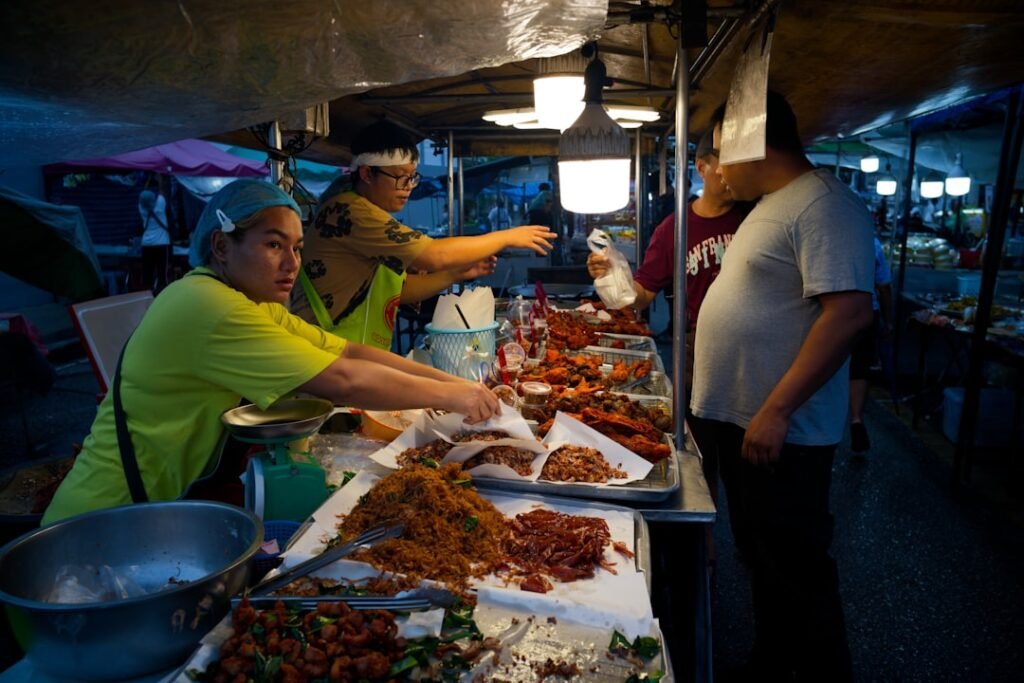

As we travel to new destinations, our senses come alive with the sights, sounds, and aromas of unfamiliar places. But for many of us, it’s the local cuisine that truly makes a trip unforgettable. Gastronomy tourism, also known as food tourism, has become a significant trend in recent years, with travelers seeking to immerse themselves in the unique flavors and culinary traditions of a region. In this blog post, we’ll delve into the world of gastronomy tourism, exploring its benefits, popular destinations, and tips for making the most of your culinary adventures.
Introduction to Gastronomy Tourism
Gastronomy tourism is a type of tourism that focuses on experiencing the local food and drink culture of a destination. It’s about more than just eating at restaurants; it’s about immersing yourself in the sights, smells, and tastes of a place. From cooking classes to food festivals, wine tastings to brewery tours, gastronomy tourism offers a wide range of experiences that allow travelers to connect with the local community and learn about their culinary heritage. By engaging with local food systems, travelers can gain a deeper understanding of the culture, history, and traditions of a place, making their travel experience more meaningful and memorable.
Popular Destinations for Gastronomy Tourism
From the spicy streets of Bangkok to the pasta-filled alleys of Rome, there are countless destinations around the world that are perfect for gastronomy tourism. Some popular spots include:
- Italy: Known for its rich culinary history, Italy is a food lover’s paradise. Visit Tuscany for wine tastings and olive oil production, or head to Naples for a pizza-making class.
- Japan: With its unique blend of traditional and modern cuisine, Japan is a fascinating destination for foodies. Try sushi-making in Tokyo, or sample the delicious street food of Osaka.
- Thailand: Thai cuisine is famous for its bold flavors and spices, and there’s no better place to experience it than in the bustling streets of Bangkok. Take a cooking class to learn the art of Thai cooking, or visit the famous Chatuchak Weekend Market for a taste of the local street food.
- Spain: From tapas to paella, Spanish cuisine is a staple of gastronomy tourism. Visit Barcelona for a food tour of the city’s famous markets, or head to the countryside for a wine tasting tour.
- Research local cuisine: Before you travel, research the local cuisine and specialties of your destination. This will help you identify the must-try dishes and drinks, and make the most of your culinary adventures.
- Take a cooking class: Cooking classes are a great way to learn about local ingredients, cooking techniques, and culinary traditions. Not only will you learn how to make delicious dishes, but you’ll also get to enjoy the fruits of your labor.
- Visit local markets: Local markets are a great place to experience the sights, smells, and tastes of a destination. From fresh produce to artisanal cheeses, markets offer a wide range of local products and specialties.
- Go on a food tour: Food tours are a great way to explore the local cuisine and get a taste of the destination’s food scene. Many tours include visits to local restaurants, markets, and food shops, and offer a unique perspective on the local culture.
- Promote cultural exchange: Gastronomy tourism provides a unique opportunity for cultural exchange, allowing travelers to connect with local communities and learn about their customs and traditions.
- Support local economies: By supporting local food systems and culinary traditions, travelers can contribute to the development of local economies and help preserve cultural heritage.
- Preserve culinary traditions: Gastronomy tourism can help preserve culinary traditions and cultural heritage, by promoting the use of local ingredients, cooking techniques, and recipes.
- Gastronomy tourism is a type of tourism that focuses on experiencing the local food and drink culture of a destination.
- Popular destinations for gastronomy tourism include Italy, Japan, Thailand, and Spain.
- To make the most of your gastronomy tour, research local cuisine, take a cooking class, visit local markets, and go on a food tour.
- Gastronomy tourism offers a wide range of benefits, from economic to cultural, and can help preserve culinary traditions and cultural heritage.
Planning Your Gastronomy Tour
To make the most of your gastronomy tour, it’s essential to plan ahead. Here are some tips to get you started:
Benefits of Gastronomy Tourism
Gastronomy tourism offers a wide range of benefits, from economic to cultural. By supporting local food systems and culinary traditions, travelers can contribute to the preservation of cultural heritage and the development of local economies. Additionally, gastronomy tourism can:
Conclusion
Gastronomy tourism is a unique and exciting way to experience the world’s diverse culinary cultures. By immersing yourself in the local food and drink culture of a destination, you can gain a deeper understanding of the culture, history, and traditions of a place. Whether you’re a foodie, a traveler, or simply someone who loves to try new things, gastronomy tourism has something to offer. So why not start planning your next culinary adventure today? With its rich flavors, aromas, and cultural heritage, the world of gastronomy tourism is waiting for you. Key takeaways: