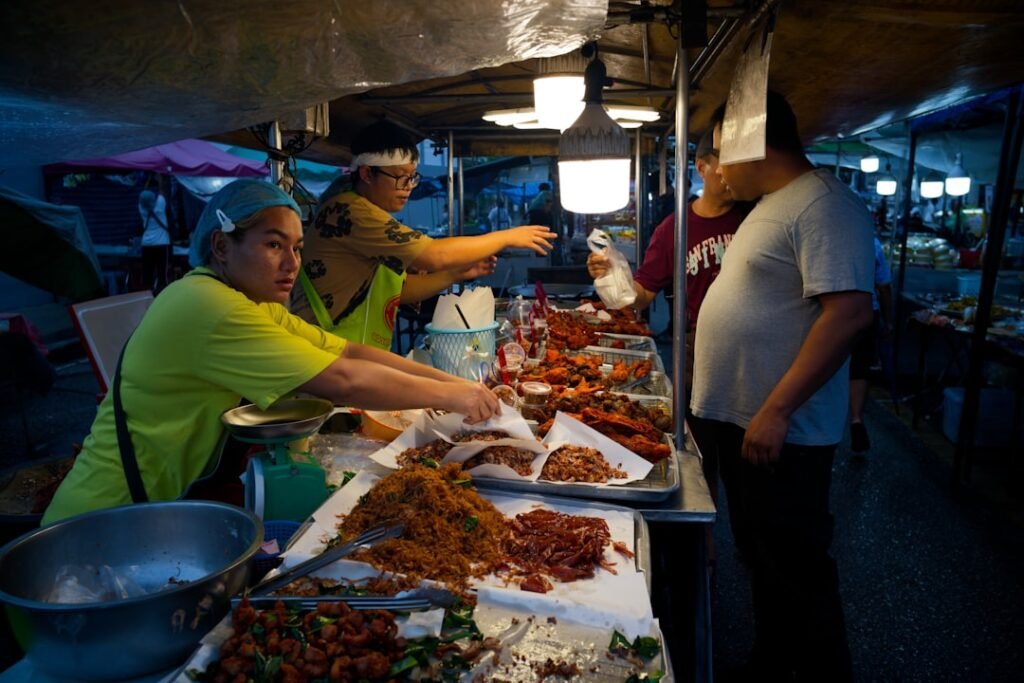
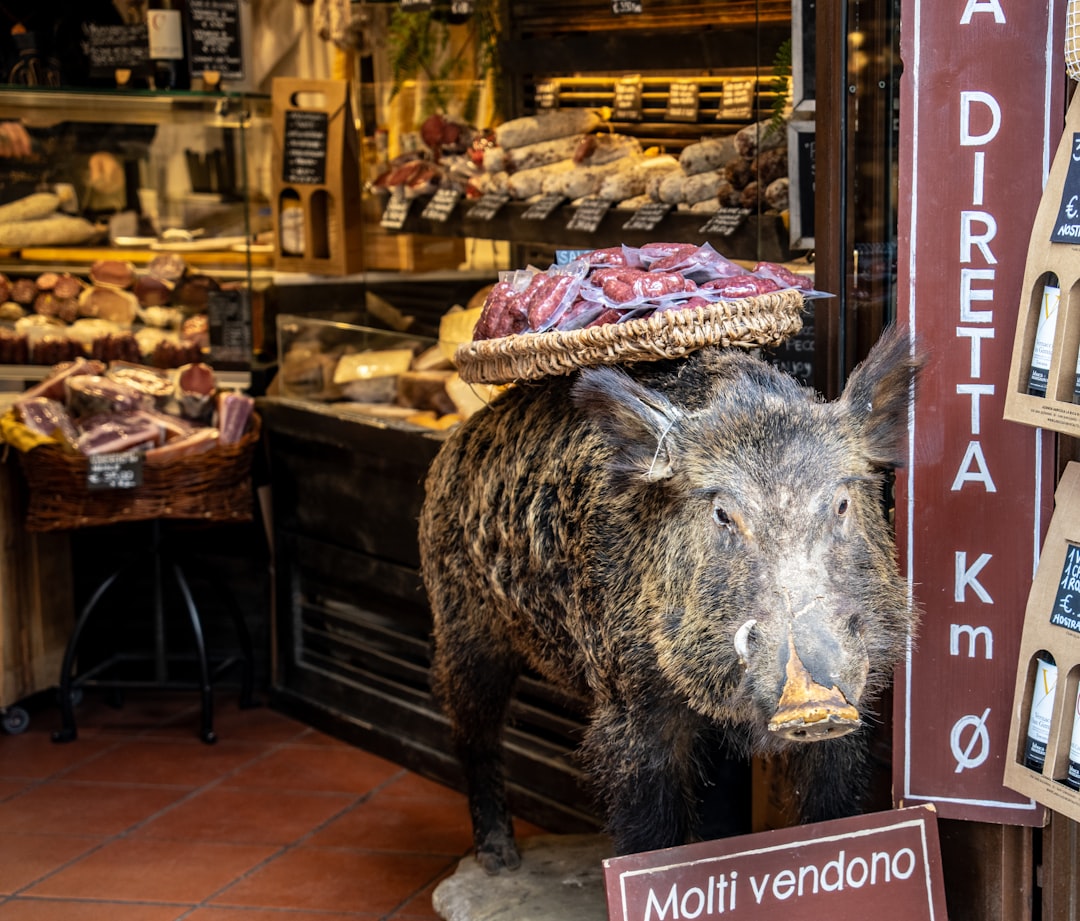
As you wander through the cobblestone streets of a foreign city, the aroma of sizzling street food wafts through the air, teasing your taste buds and drawing you in. You follow the scent to a bustling market, where vendors offer you a taste of their signature dishes, each one a reflection of the local culture and traditions. This is the essence of gastronomy tourism, a type of travel that combines the pleasures of food, drink, and exploration, allowing you to immerse yourself in the unique flavors and culinary heritage of a destination. In this blog post, we’ll delve into the world of gastronomy tourism, exploring its benefits, popular destinations, and tips for making the most of your culinary adventures.
Introduction to Gastronomy Tourism
Gastronomy tourism, also known as food tourism, is a growing trend that involves traveling to experience the local cuisine and drinks of a region. This type of tourism is not just about savoring delicious food, but also about understanding the cultural and historical context behind each dish. From wine tastings in Tuscany to cooking classes in Thailand, gastronomy tourism offers a wide range of experiences that cater to different tastes and interests. According to a report by the World Tourism Organization (UNWTO), gastronomy tourism has become a significant contributor to local economies, with many destinations developing food-based tourism initiatives to attract visitors and promote their culinary heritage.
Popular Destinations for Gastronomy Tourism
When it comes to gastronomy tourism, some destinations stand out from the rest. Italy, with its rich culinary history and diverse regional cuisines, is a top destination for foodies. From pizza-making classes in Naples to wine tastings in Piedmont, Italy offers a wealth of culinary experiences that showcase its famous dishes, such as pasta, pizza, and risotto. Other popular destinations for gastronomy tourism include Japan, known for its sushi and ramen; Spain, famous for its tapas and paella; and Mexico, where visitors can sample a variety of street foods, including tacos and mole. In Asia, countries like Thailand, Vietnam, and Indonesia offer a vibrant street food scene, with popular dishes like pad thai, pho, and nasi goreng.
Planning Your Gastronomy Tour
To make the most of your gastronomy tour, it’s essential to plan ahead and research the local cuisine and drinks of your destination. Here are some tips to help you get started:
- Research local restaurants, food markets, and street food stalls to get a sense of the types of cuisine and prices.
- Consider taking a guided food tour or cooking class to learn about the local ingredients, cooking techniques, and cultural traditions.
- Be adventurous and try new foods, but also be mindful of food safety and hygiene.
- Don’t forget to try local drinks, such as wine, beer, or cocktails, which can be an integral part of the gastronomy experience.
- Take photos and notes to document your culinary journey and share your experiences with friends and family.
- Gastronomy tourism is a growing trend that combines food, drink, and exploration.
- Popular destinations for gastronomy tourism include Italy, Japan, Spain, and Mexico.
- Planning ahead and researching local cuisine and drinks is essential for a successful gastronomy tour.
- Gastronomy tourism offers a range of benefits, from economic to cultural, and can promote sustainability and cultural exchange.
- By supporting local food vendors and restaurants, visitors can contribute to the local economy and help preserve traditional culinary practices.
The Benefits of Gastronomy Tourism
Gastronomy tourism offers a wide range of benefits, from economic to cultural. By supporting local food vendors and restaurants, visitors can contribute to the local economy and help preserve traditional culinary practices. Gastronomy tourism also provides a unique opportunity for cultural exchange, allowing visitors to learn about the local way of life and traditions. Additionally, gastronomy tourism can promote sustainability, as visitors become more aware of the importance of local ingredients, seasonality, and food waste reduction. According to a study by the International Culinary Tourism Association, gastronomy tourism can also have a positive impact on local communities, creating jobs and stimulating economic growth.
Conclusion and Key Takeaways
In conclusion, gastronomy tourism is a unique and rewarding type of travel that allows you to explore the flavors and culinary heritage of a destination. By following the tips and guidelines outlined in this blog post, you can plan a memorable gastronomy tour that combines food, drink, and cultural experiences. Remember to be adventurous, try new foods, and support local vendors and restaurants. With its many benefits, from economic to cultural, gastronomy tourism is an excellent way to experience the authentic flavors and traditions of a region. Key takeaways from this blog post include: