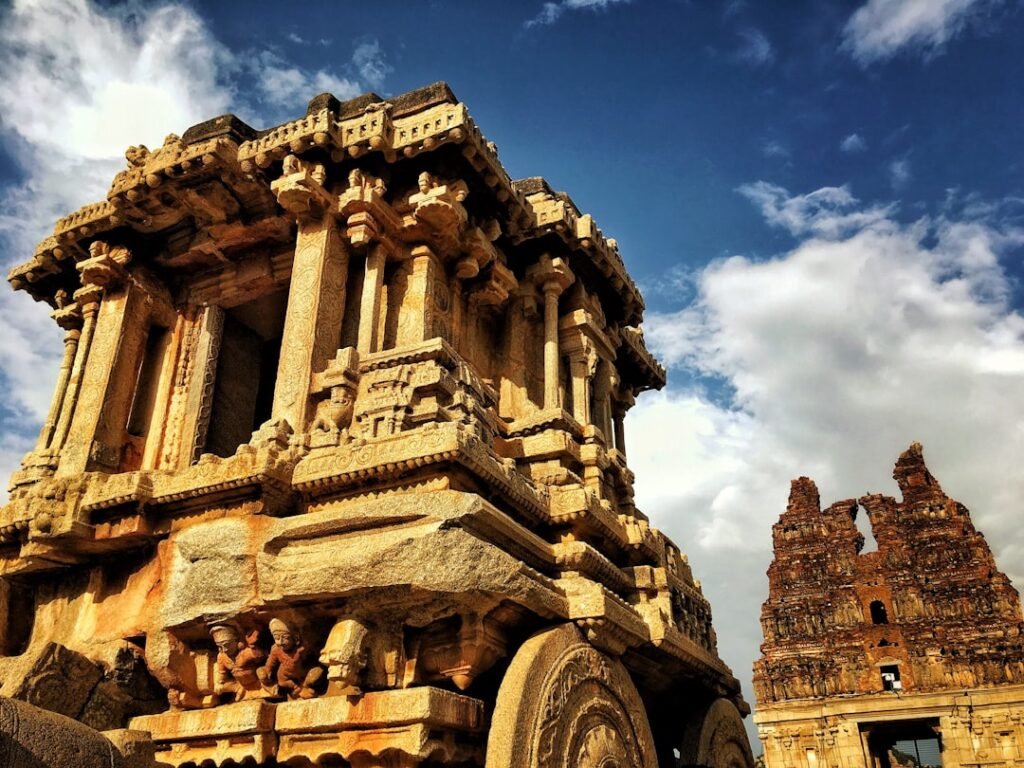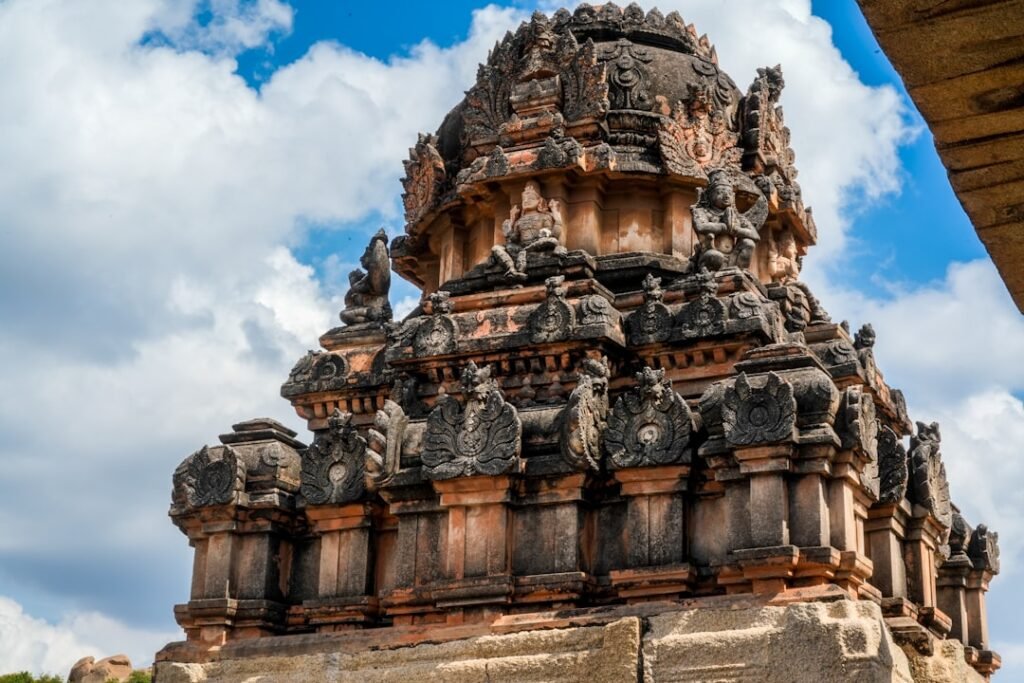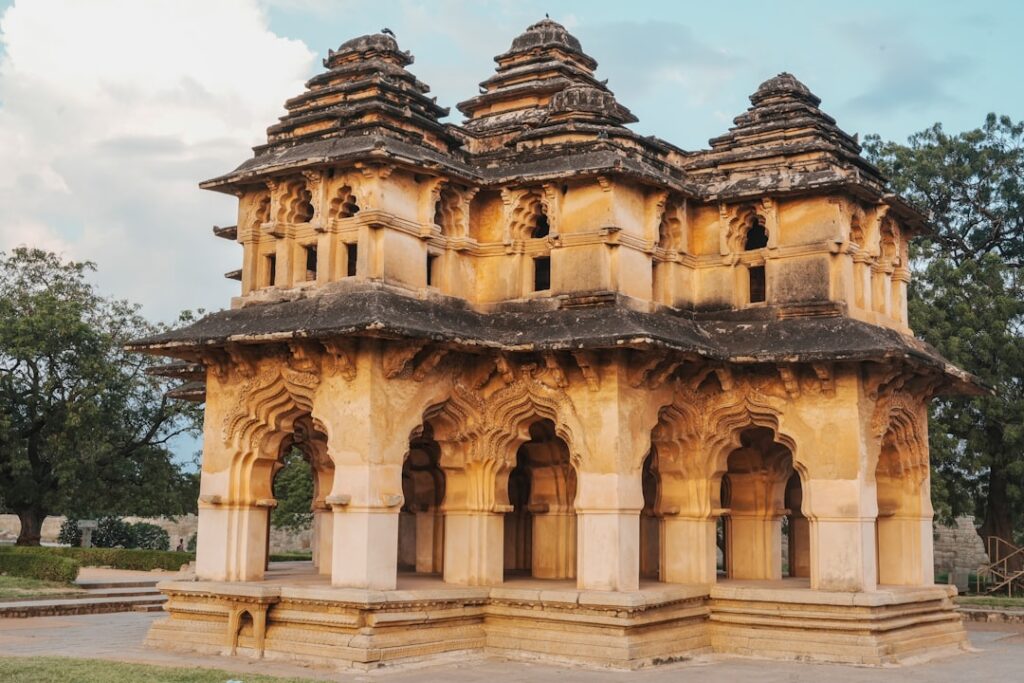

As you step into the grandeur of ancient temples in India, the whispers of the past echo through the intricate carvings, majestic spires, and vibrant frescoes. These architectural marvels, steeped in history and mythology, have been a testament to the country’s rich cultural heritage for centuries. With over 2 million temples scattered across the subcontinent, each one tells a unique story of devotion, artistry, and spiritual quest. In this blog post, we’ll embark on a fascinating journey to explore the most iconic ancient temples in India, delving into their significance, architectural styles, and the experiences they offer to travelers and pilgrims alike.
Introduction to Ancient Temple Architecture
India’s ancient temples are a reflection of the country’s diverse cultural landscape, with different regions showcasing distinct architectural styles. The temples of South India, such as the Brihadeeswara Temple in Thanjavur, are renowned for their imposing Dravidian architecture, characterized by massive pyramidal towers, intricate carvings, and expansive courtyards. In contrast, the temples of North India, like the Khajuraho Group of Monuments, boast of exquisite Nagara-style architecture, marked by soaring spires, delicate sculptures, and ornate decorations. The sheer variety of architectural styles is a testament to the creative genius and craftsmanship of ancient Indian artisans.
Exploring the Most Iconic Ancient Temples
Some of the most famous ancient temples in India are not only revered for their spiritual significance but also admired for their stunning beauty and historical importance. The Konark Sun Temple in Odisha, a UNESCO World Heritage Site, is an exemplary example of ancient Indian architecture, with its massive chariot-shaped structure, intricately carved wheels, and majestic horses. The Shore Temple in Mahabalipuram, another UNESCO World Heritage Site, is a masterpiece of Pallava architecture, featuring a striking pyramidal tower, beautifully sculpted walls, and a serene seaside setting. Other notable mentions include the Meenakshi Amman Temple in Madurai, the Somnath Temple in Gujarat, and the Kailash Temple in Ellora, each with its unique charm and historical significance.
Spiritual and Cultural Significance of Ancient Temples
Ancient temples in India are more than just architectural wonders; they are vibrant centers of spiritual and cultural activity. These temples have played a pivotal role in shaping the country’s social, cultural, and philosophical fabric, with many of them still serving as active places of worship. The temples are often associated with mythological legends, folk tales, and historical events, which are beautifully depicted through intricate carvings, murals, and sculptures. The temples also host various festivals, rituals, and ceremonies throughout the year, showcasing the rich cultural diversity and traditions of India. For instance, the Navaratri festival at the Meenakshi Amman Temple, the Rath Yatra at the Jagannath Temple in Puri, and the Maha Shivratri celebrations at the Amarnath Temple in Jammu and Kashmir are some of the most popular and awe-inspiring events.
Planning Your Temple Tour in India
As you plan your journey to explore the ancient temples of India, it’s essential to consider a few things to make the most of your experience. First and foremost, research the temples you wish to visit, their history, and their cultural significance. This will help you appreciate the intricacies of the architecture, the mythological legends, and the spiritual practices associated with each temple. Secondly, plan your itinerary according to the festivals, rituals, and events happening at the temples, as these can be truly unforgettable experiences. Lastly, be respectful of the temple customs, dress codes, and rules, as these are sacred places of worship for millions of people. With a little planning and sensitivity, your temple tour in India can be a transformative and enriching experience, offering a glimpse into the country’s rich cultural heritage and spiritual traditions.
Preserving the Legacy of Ancient Temples
As we marvel at the grandeur and beauty of ancient temples in India, it’s crucial to acknowledge the importance of preserving these cultural treasures for future generations. Many of these temples are facing threats from environmental degradation, human neglect, and lack of maintenance, which can lead to irreparable damage and loss of cultural heritage. Efforts are being made by the government, conservation organizations, and local communities to protect and restore these ancient wonders, but more needs to be done. As travelers and pilgrims, we can contribute to the preservation efforts by being mindful of our impact, respecting the temple rules and customs, and supporting local initiatives that promote cultural heritage conservation.
In conclusion, the ancient temples of India are a testament to the country’s rich cultural diversity, architectural ingenuity, and spiritual traditions. As we explore these magnificent structures, we are not only witnessing the grandeur of the past but also experiencing the vibrant cultural and spiritual landscape of India. By embracing the history, mythology, and cultural significance of these temples, we can deepen our understanding of this incredible country and its people. Whether you’re a history buff, a spiritual seeker, or an architecture enthusiast, the ancient temples of India are sure to leave you in awe, inspiring a sense of wonder, curiosity, and devotion. So, come and unravel the mystique of these ancient wonders, and let the journey be a transformative experience that stays with you forever.