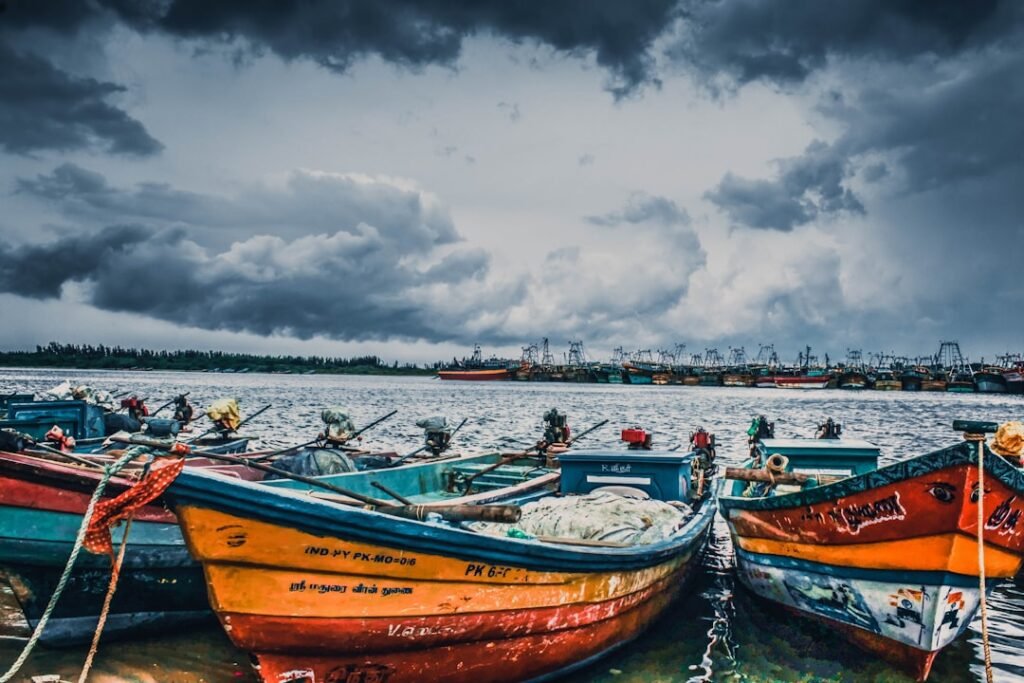
India, a land of vibrant colors, diverse traditions, and rich cultural heritage, is a treasure trove of experiences waiting to be explored. From the majestic Taj Mahal to the serene backwaters of Kerala, India’s cultural landscape is a kaleidoscope of flavors, sounds, and sights that will leave you enchanted. As we embark on this journey to discover the cultural places in India, get ready to be mesmerized by the sheer diversity and complexity of this incredible country.
Introduction to India’s Cultural Heritage
India’s cultural heritage is a unique blend of traditional and modern, with a history that spans over 5,000 years. The country is home to numerous ancient monuments, temples, and palaces that showcase its rich architectural legacy. The diverse cultural practices, festivals, and traditions of India are a reflection of its tolerant and accepting nature, where people from different backgrounds and faiths coexist in harmony. Whether you’re interested in history, architecture, food, or spirituality, India has something to offer every kind of traveler. With its vibrant cities, quaint towns, and picturesque villages, India is a destination that will leave you with lifelong memories.
Exploring India’s Cultural Hotspots
India is home to numerous cultural hotspots that attract millions of tourists every year. Some of the most popular cultural places in India include:
- The Taj Mahal in Agra, a symbol of love and beauty that is considered one of the Seven Wonders of the World.
- The Red Fort in Delhi, a magnificent example of Mughal architecture that showcases the country’s rich history.
- The Khajuraho Group of Monuments in Madhya Pradesh, a UNESCO World Heritage Site famous for its intricate temple carvings and sculptures.
- The Hampi Group of Monuments in Karnataka, a ancient city that was once the capital of the Vijayanagara Empire.
- The Konark Sun Temple in Odisha, a 13th-century temple dedicated to the Sun God that is renowned for its stunning architecture and sculptures.
- Diwali, the festival of lights, which is celebrated with great fervor and enthusiasm across the country.
- Holi, the festival of colors, which is a celebration of love, joy, and colors.
- Navratri, a nine-day festival that is dedicated to the worship of the divine feminine.
- Eid-al-Fitr, a festival that marks the end of the holy month of Ramadan and is celebrated with great enthusiasm by the Muslim community.
- Tandoori chicken, a classic North Indian dish that is made by marinating chicken in spices and yogurt and cooking it in a tandoor.
- Biryani, a flavorful rice-based dish that is made with a mixture of spices, basmati rice, and meat or vegetables.
- Dosa, a fermented crepe made from rice and lentils that is a staple dish in South India.
- Vada pav, a popular street food in Mumbai that consists of a fried doughnut served in a bread bun with chutneys and spices.
- Be respectful of local customs and traditions.
- Try the local cuisine and drinks.
- Attend a cultural festival or event.
- Visit a local market or bazaar.
- Take a cooking class or workshop.
These cultural hotspots are not only a testament to India’s rich history and architecture but also offer a glimpse into the country’s diverse cultural practices and traditions. From the colorful festivals and fairs to the delicious local cuisine, every experience in India is a sensory delight that will leave you wanting more.
Immerging in India’s Cultural Festivals and Traditions
India is a country that is known for its vibrant festivals and traditions, which are an integral part of its cultural heritage. Some of the most popular cultural festivals in India include:
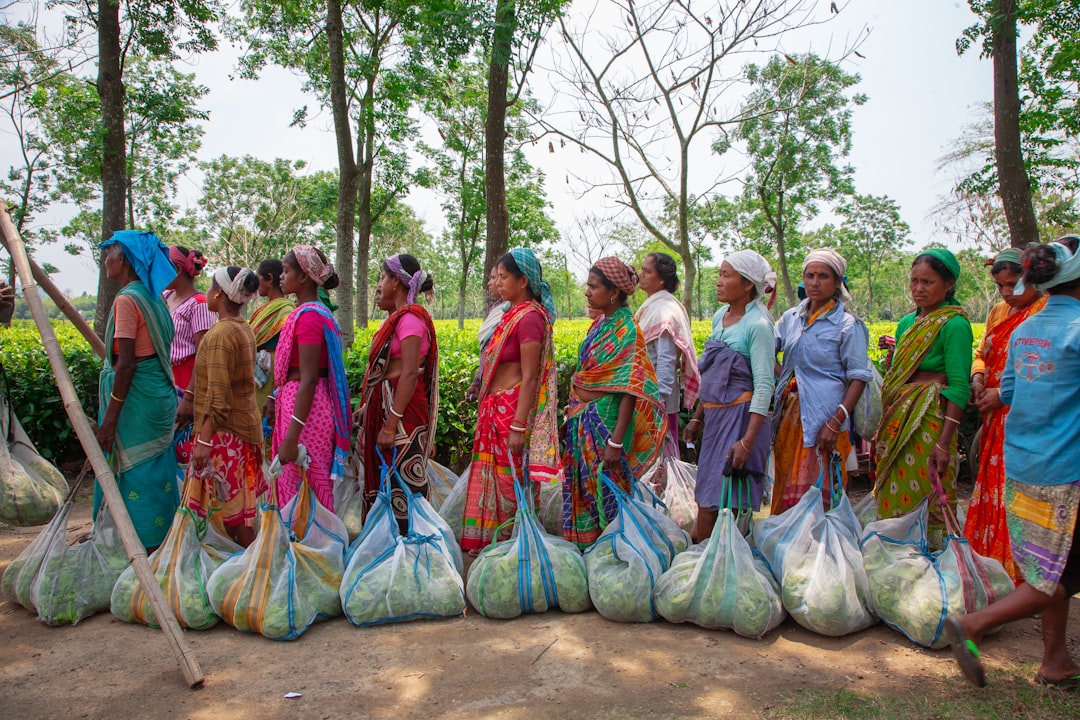
These festivals and traditions are an excellent way to experience India’s cultural diversity and richness. From the traditional attire and jewelry to the local cuisine and music, every aspect of Indian culture is a reflection of its rich heritage and history. Whether you’re attending a festival, visiting a temple, or simply exploring the local markets, every experience in India is a cultural immersion that will leave you with lifelong memories.
Discovering India’s Cultural Cuisine
Indian cuisine is a significant part of the country’s cultural heritage, with a diverse range of dishes and flavors that vary from region to region. From the spicy curries of the south to the rich biryanis of the north, every dish in India is a reflection of the country’s cultural diversity and richness. Some of the most popular cultural dishes in India include:
Indian cuisine is not only delicious but also offers a glimpse into the country’s cultural practices and traditions. From the traditional cooking methods to the local ingredients and spices, every aspect of Indian cuisine is a reflection of its rich cultural heritage. Whether you’re trying street food, visiting a local restaurant, or attending a cooking class, every culinary experience in India is a cultural adventure that will leave you wanting more.
Conclusion and Key Takeaways
India’s cultural heritage is a treasure trove of experiences that will leave you enchanted and mesmerized. From the majestic Taj Mahal to the vibrant festivals and traditions, every aspect of Indian culture is a reflection of its rich history and diversity. As you embark on this journey to discover the cultural places in India, remember to:
By following these tips and being open to new experiences, you’ll be able to immerse yourself in India’s cultural heritage and create lifelong memories. Whether you’re a history buff, a foodie, or an adventure seeker, India has something to offer every kind of traveler. So come and discover the diverse cultural heritage of India, and get ready to be mesmerized by the sheer beauty and complexity of this incredible country. With its rich history, vibrant culture, and warm hospitality, India is a destination that will leave you with a heart full of memories and a soul that is forever changed.