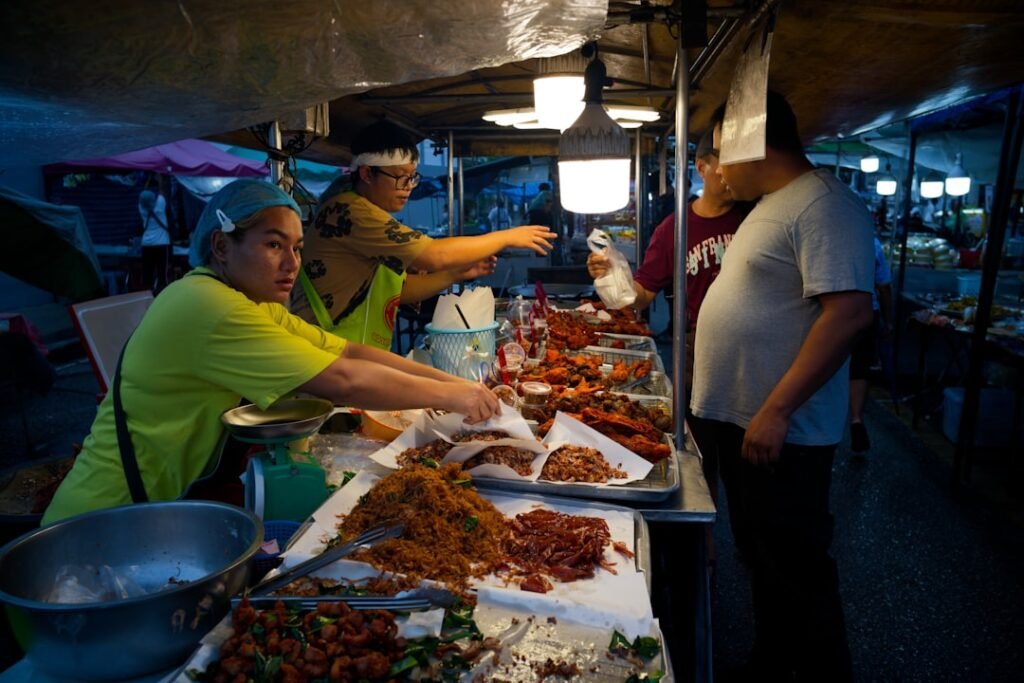

As you wander through the charming streets of a foreign city, the aroma of sizzling street food wafts through the air, teasing your taste buds and drawing you in. You follow the scent to a bustling market, where vendors offer you a taste of their signature dishes, and suddenly, you’re immersed in a world of flavors and cultures. This is the magic of gastronomy tourism, a type of travel that combines the love of food, culture, and exploration. In this blog post, we’ll delve into the world of gastronomy tourism, exploring its benefits, popular destinations, and tips for making the most of your culinary adventures.
What is Gastronomy Tourism?
Gastronomy tourism, also known as food tourism, is a growing trend that involves traveling to experience the local cuisine and drinks of a particular region. It’s about more than just eating; it’s about immersing yourself in the culture, meeting the people, and learning about the history and traditions behind the food. Gastronomy tourism can take many forms, from cooking classes and food tours to wine tastings and farm-to-table experiences. Whether you’re a foodie, a culture enthusiast, or just looking for a unique travel experience, gastronomy tourism has something to offer. With the rise of social media, food bloggers, and travel influencers, the demand for gastronomy tourism has increased, making it a significant sector in the tourism industry.
Popular Destinations for Gastronomy Tourism
From the spicy streets of Asia to the pasta-filled alleys of Italy, the world is full of incredible gastronomy destinations. Some of the most popular destinations for foodies include:
- Japan, where you can sample the freshest sushi and ramen, and experience the unique culture of tea ceremonies and sake tastings.
- Italy, famous for its pasta, pizza, and gelato, as well as its wine regions, such as Tuscany and Piedmont.
- Thailand, where the streets are filled with the aroma of spicy street food, and the night markets offer a wide range of dishes, from pad thai to mango sticky rice.
- Spain, with its tapas culture, wine regions, and world-renowned restaurants, such as El Celler de Can Roca.
- Mexico, where you can indulge in tacos, mole, and other traditional dishes, and experience the vibrant culture of the country.
- Research the local cuisine and drinks, and make a list of the dishes and beverages you want to try.
- Book a food tour or cooking class to get an insider’s perspective on the local food scene.
- Visit local markets and food festivals to sample a wide range of dishes and meet the people behind the food.
- Try to eat at local, family-owned restaurants, and avoid touristy areas.
- Don’t be afraid to try new things, and be open to new flavors and experiences.
- Consider visiting during the off-season, when prices are lower, and the crowds are smaller.
- Economic benefits: Gastronomy tourism can generate significant revenue for local businesses, such as restaurants, food shops, and cooking schools.
- Cultural preservation: By promoting local cuisine and traditions, gastronomy tourism can help preserve cultural heritage and support the local community.
- Community development: Gastronomy tourism can help build relationships between locals and visitors, promoting cross-cultural understanding and exchange.
- Personal growth: Gastronomy tourism can be a transformative experience, allowing travelers to step out of their comfort zones, try new things, and develop new skills.
- Environmental benefits: By supporting local, sustainable food systems, gastronomy tourism can help reduce the environmental impact of food production and transportation.
These destinations offer a wide range of culinary experiences, from street food to fine dining, and from cooking classes to food festivals. Whether you’re looking for a specific type of cuisine or just want to explore new flavors, there’s a gastronomy destination out there for you.
Planning Your Gastronomy Tour
To make the most of your gastronomy tour, it’s essential to plan ahead. Here are some tips to help you get started:
By following these tips, you’ll be well on your way to a successful and enjoyable gastronomy tour.
The Benefits of Gastronomy Tourism
Gastronomy tourism has a wide range of benefits, not just for the traveler, but also for the local community. Some of the benefits include:
In conclusion, gastronomy tourism is a unique and rewarding type of travel that combines the love of food, culture, and exploration. With its many benefits, from economic growth to cultural preservation, gastronomy tourism has become a significant sector in the tourism industry. Whether you’re a foodie, a culture enthusiast, or just looking for a new adventure, gastronomy tourism has something to offer. So why not start planning your next culinary journey today, and discover the flavors and cultures of the world? With its rich flavors, vibrant cultures, and warm hospitality, gastronomy tourism is an experience you’ll never forget.