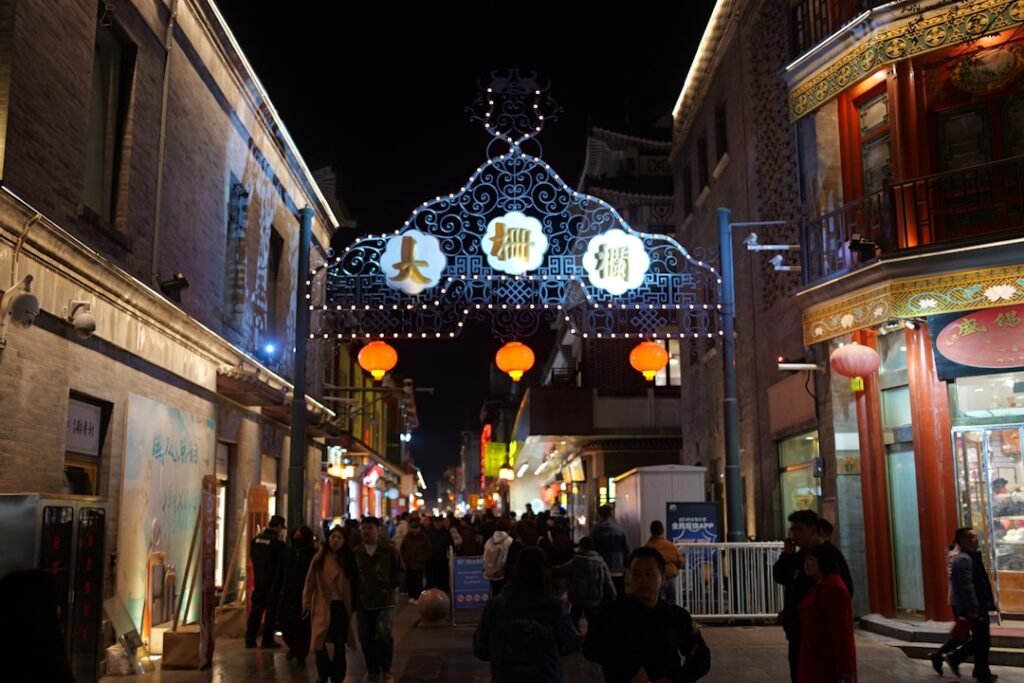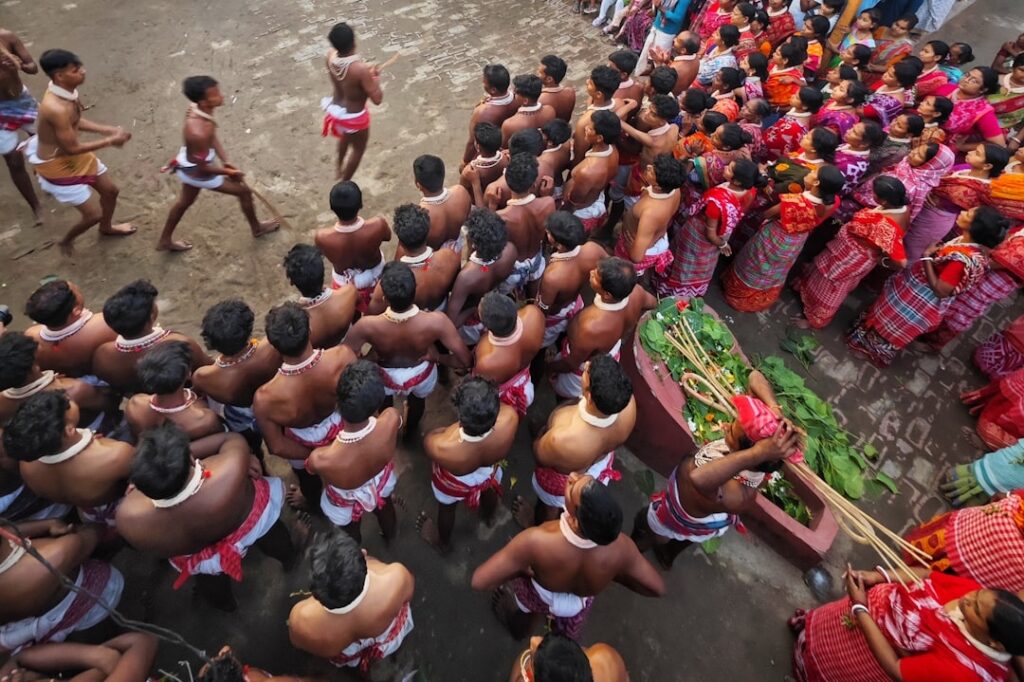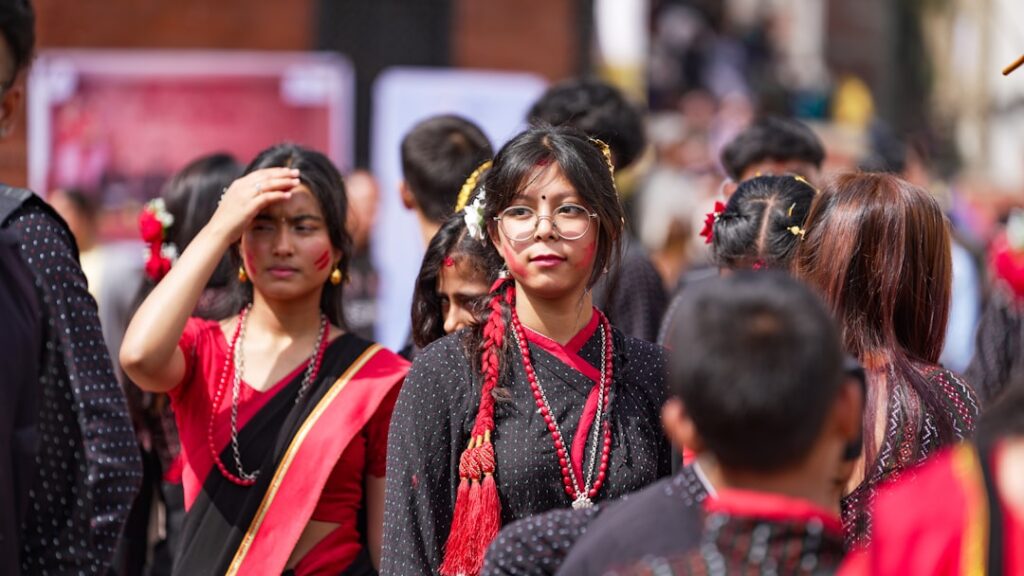
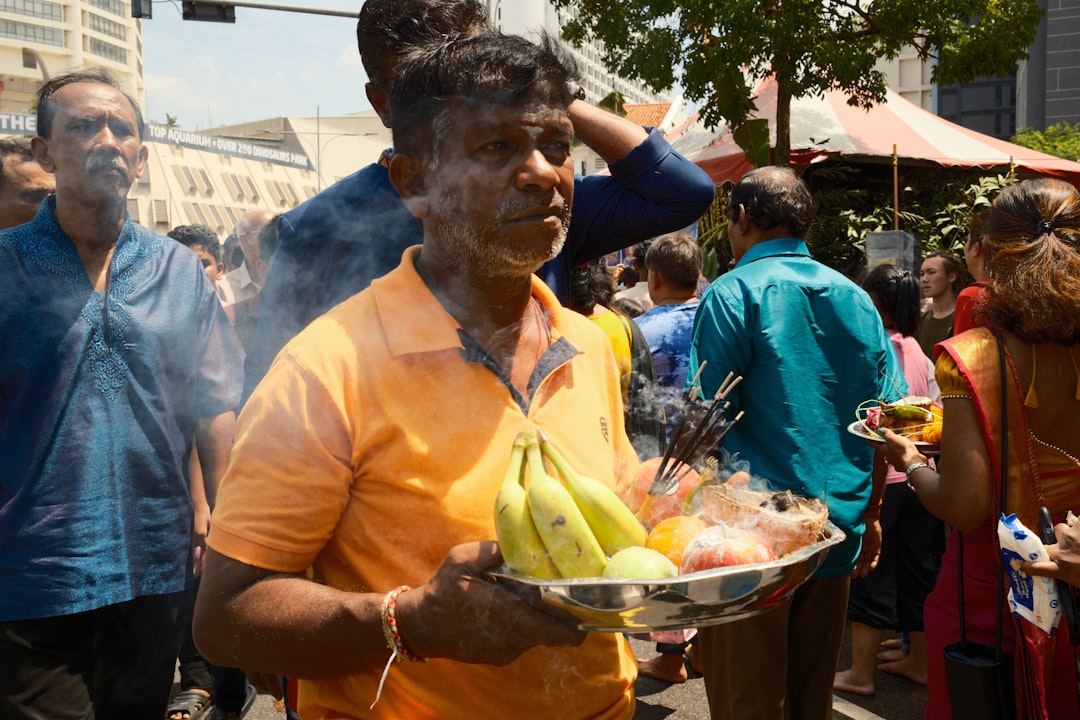
As the world becomes increasingly interconnected, it’s easy to get lost in the sea of modernization and forget about the rich cultural heritage that makes each country unique. But, there’s a way to experience the authentic spirit of a nation, and that’s through its traditional cultural festivals. Imagine being surrounded by vibrant colors, mesmerizing rhythms, and tantalizing aromas, all coming together to create an unforgettable experience. In this blog post, we’ll embark on a thrilling journey to explore the most fascinating traditional cultural festivals from around the globe, highlighting their significance, customs, and what makes them so captivating.
Discovering the Significance of Traditional Cultural Festivals
Traditional cultural festivals are more than just a celebration; they’re a window into a country’s history, values, and beliefs. These events have been passed down through generations, often originating from ancient myths, legends, or historical events. They serve as a means of preserving cultural identity, promoting social cohesion, and showcasing the community’s creativity and talent. For instance, the Indian festival of Diwali, also known as the Festival of Lights, is a five-day celebration that honors the triumph of light over darkness, knowledge over ignorance, and good over evil. This festival is a perfect example of how traditional cultural festivals can bring people together, foster a sense of belonging, and create lasting memories.
Exploring the Diversity of Traditional Cultural Festivals
The world is home to a staggering array of traditional cultural festivals, each with its unique character, customs, and traditions. In Japan, the Cherry Blossom Festival (Hanami) is a breathtakingly beautiful celebration of the fleeting cherry blossom season, where people gather to admire the flowers, enjoy traditional food and drinks, and participate in lively festivities. In Brazil, the Carnival is a vibrant and energetic spectacle that showcases the country’s rich Afro-Latin cultural heritage, featuring mesmerizing parades, samba music, and dazzling costumes. In China, the Lunar New Year (Spring Festival) is a 15-day celebration that marks the beginning of the new year on the traditional Chinese calendar, characterized by dragon dances, fireworks, and family reunions.
Immerging in the Customs and Traditions of Traditional Cultural Festivals
One of the most fascinating aspects of traditional cultural festivals is the array of customs and traditions that surround them. In many African cultures, festivals are accompanied by traditional music, dance, and storytelling, which serve as a means of passing down history, myths, and cultural values from one generation to the next. In Mexico, the Day of the Dead (Día de Muertos) is a festival that honors the deceased, where families create elaborate altars, decorate them with flowers, candles, and photographs, and offer traditional food and drinks to their ancestors. In Thailand, the Loy Krathong festival is a beautiful celebration where people release floating lanterns on rivers and streams, symbolizing the release of negative thoughts and emotions, and making wishes for the future.
Preserving Cultural Heritage Through Traditional Cultural Festivals
As the world becomes increasingly globalized, there’s a growing concern about the erosion of cultural heritage and the loss of traditional practices. However, traditional cultural festivals have proven to be a powerful tool in preserving cultural identity and promoting cultural diversity. By participating in these festivals, people can experience the authentic spirit of a culture, learn about its history and traditions, and develop a deeper appreciation for the community’s values and customs. Moreover, traditional cultural festivals have also become an important aspect of cultural tourism, attracting visitors from around the world and providing a significant economic boost to local communities.
Conclusion: Embracing the Beauty of Traditional Cultural Festivals
In conclusion, traditional cultural festivals are a treasure trove of cultural heritage, customs, and traditions that offer a unique glimpse into the soul of a nation. By embracing these festivals, we can gain a deeper understanding of the world’s diverse cultures, appreciate the beauty of cultural diversity, and develop a sense of global citizenship. Whether you’re a curious traveler, a cultural enthusiast, or simply someone who loves to learn, traditional cultural festivals are an unforgettable experience that will leave you with lifelong memories and a newfound appreciation for the richness of human culture. So, come and join the celebration, immerse yourself in the vibrant colors, sounds, and aromas of traditional cultural festivals, and discover the magic that makes our world such a fascinating and wonderful place. Key takeaways:
- Traditional cultural festivals are a window into a country’s history, values, and beliefs.
- These events promote social cohesion, preserve cultural identity, and showcase community creativity and talent.
- The world is home to a diverse array of traditional cultural festivals, each with its unique character, customs, and traditions.
- Participating in traditional cultural festivals can help preserve cultural heritage and promote cultural diversity.
- These festivals have become an important aspect of cultural tourism, attracting visitors from around the world and providing a significant economic boost to local communities.