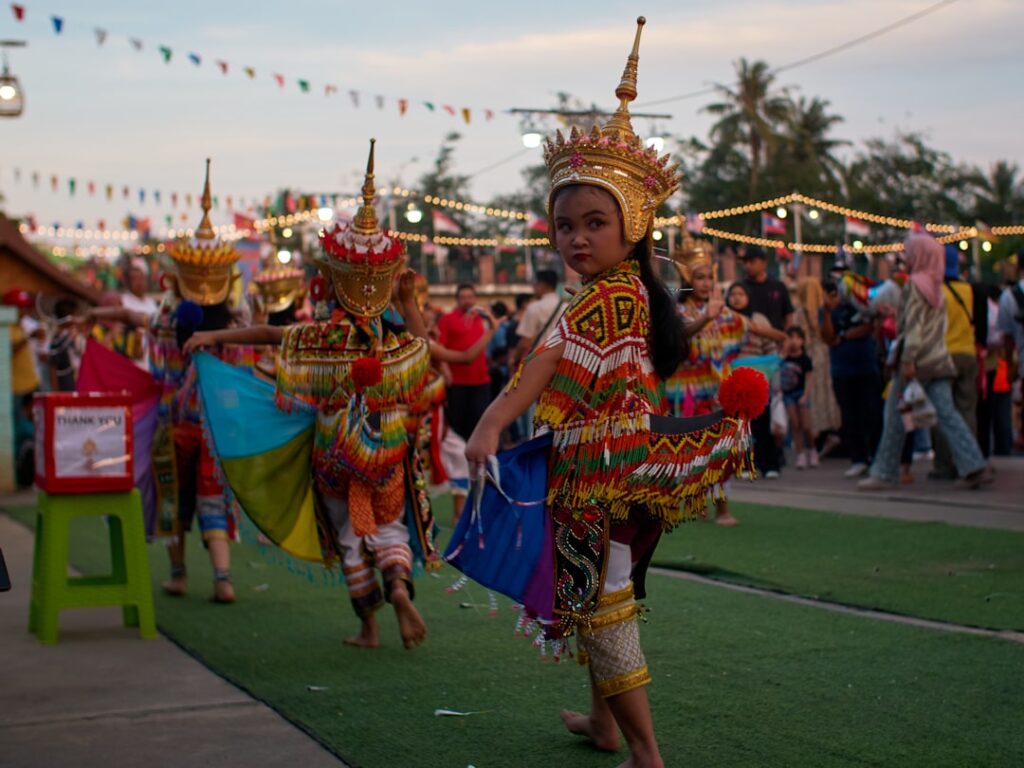
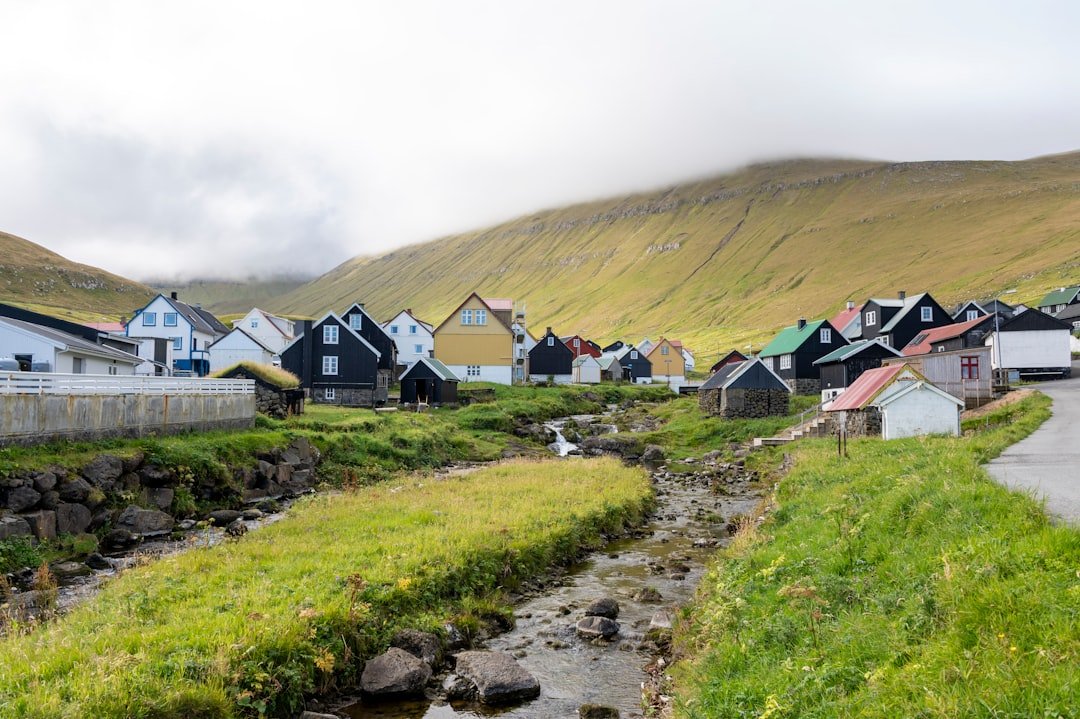
Are you ready to embark on a fascinating journey to explore the diverse cultural heritage of our planet? Look no further than cultural villages, where tradition meets modernity and the past comes alive. These vibrant communities are a treasure trove of history, art, and architecture, offering a unique glimpse into the lives of people from different eras and backgrounds. In this blog post, we’ll take you on a tour of some of the most captivating cultural villages around the world, highlighting their significance, attractions, and experiences that await you.
Introduction to Cultural Villages
Cultural villages are specially designed communities that showcase the traditional way of life of a particular region or ethnic group. These villages are often recreated to resemble the original settlements, with authentic buildings, artifacts, and costumes. They provide a platform for visitors to learn about the history, customs, and values of the local people, while also promoting cross-cultural understanding and appreciation. From Africa to Asia, and Europe to the Americas, cultural villages can be found in various parts of the world, each with its own distinct character and charm.
Exploring Cultural Villages Around the World
Let’s start our journey in Africa, where we find the famous Cultural Village in Nairobi, Kenya. This village is a hub of traditional African culture, with over 20 different ethnic groups represented. Visitors can explore the various homesteads, each showcasing the unique architecture, crafts, and way of life of its respective community. In Asia, the Hoi An Cultural Village in Vietnam is a must-visit destination, with its well-preserved ancient town and traditional festivals. The village is famous for its silk production, and visitors can witness the entire process, from silk worm breeding to weaving. In Europe, the Cultural Village in Oslo, Norway, offers a glimpse into the country’s rich Viking heritage, with reconstructed Viking ships and houses.
In the Americas, the Taos Pueblo Cultural Village in New Mexico, USA, is a UNESCO World Heritage Site, with a history dating back over 1,000 years. The village is home to the Tiwa people, who have preserved their traditional way of life, including their language, customs, and architecture. Visitors can explore the adobe dwellings, attend a traditional ceremony, or shop for local handicrafts. Another notable cultural village in the Americas is the San Blas Islands in Panama, where the Guna people have maintained their autonomous culture and traditions. The village is a popular destination for eco-tourism, with its stunning natural beauty, pristine beaches, and vibrant culture.
Immersive Experiences in Cultural Villages
One of the most exciting aspects of visiting cultural villages is the opportunity to participate in immersive experiences. These can range from traditional cooking classes to craft workshops, and from music and dance performances to spiritual ceremonies. In the Cultural Village in Nairobi, visitors can take part in a traditional African wedding ceremony, complete with colorful costumes, music, and dance. In Hoi An, visitors can learn the art of traditional Vietnamese lantern-making, or take a cooking class to learn the secrets of local cuisine. In Taos Pueblo, visitors can attend a traditional Tiwa ceremony, or participate in a workshop on adobe building and pottery.
In addition to these immersive experiences, cultural villages often offer a range of activities and events, including festivals, concerts, and exhibitions. The Cultural Village in Oslo, for example, hosts a annual Viking Festival, with reenactments of Viking battles, crafts, and food. The San Blas Islands in Panama are famous for their vibrant festivals, including the Guna Festival, which showcases the island’s unique culture and traditions. These events provide a unique opportunity for visitors to connect with the local community, learn about their customs and traditions, and experience the rich cultural heritage of the village.
Tips and Essentials for Visiting Cultural Villages
Before planning your visit to a cultural village, there are several things to keep in mind. First and foremost, it’s essential to respect the local culture and traditions, and to dress modestly and appropriately. Visitors should also be mindful of their surroundings, and avoid taking pictures or videos of sensitive or private areas. It’s also a good idea to learn a few basic phrases in the local language, such as greetings and thank-yous, to show respect and appreciation for the community.
In terms of practicalities, visitors should plan ahead and research the village’s opening hours, ticket prices, and any specific rules or regulations. It’s also a good idea to book a guided tour, which can provide valuable insights and information about the village’s history, culture, and significance. Additionally, visitors should be prepared for varying weather conditions, and bring sunscreen, water, and comfortable clothing. Finally, it’s essential to support the local community by purchasing handicrafts, trying local cuisine, and contributing to conservation efforts.
Conclusion and Key Takeaways
In conclusion, cultural villages are a fascinating destination for anyone interested in history, culture, and traditional way of life. These vibrant communities offer a unique glimpse into the past, and provide a platform for cross-cultural understanding and appreciation. By visiting cultural villages, we can learn about the customs, traditions, and values of different ethnic groups, and gain a deeper understanding of the world’s rich cultural heritage. Whether you’re interested in history, architecture, art, or food, cultural villages have something to offer everyone.
The key takeaways from this blog post are:
- Cultural villages are a great way to learn about traditional way of life and customs of different ethnic groups.
- These villages offer immersive experiences, including traditional cooking classes, craft workshops, and music and dance performances.
- Visitors should respect the local culture and traditions, and dress modestly and appropriately.
- It’s essential to plan ahead, research the village’s opening hours and ticket prices, and book a guided tour.
- Supporting the local community by purchasing handicrafts, trying local cuisine, and contributing to conservation efforts is crucial.
By following these tips and essentials, visitors can have a memorable and enriching experience in cultural villages, and contribute to the preservation of our planet’s rich cultural heritage. So why not start planning your journey today, and discover the fascinating world of cultural villages?