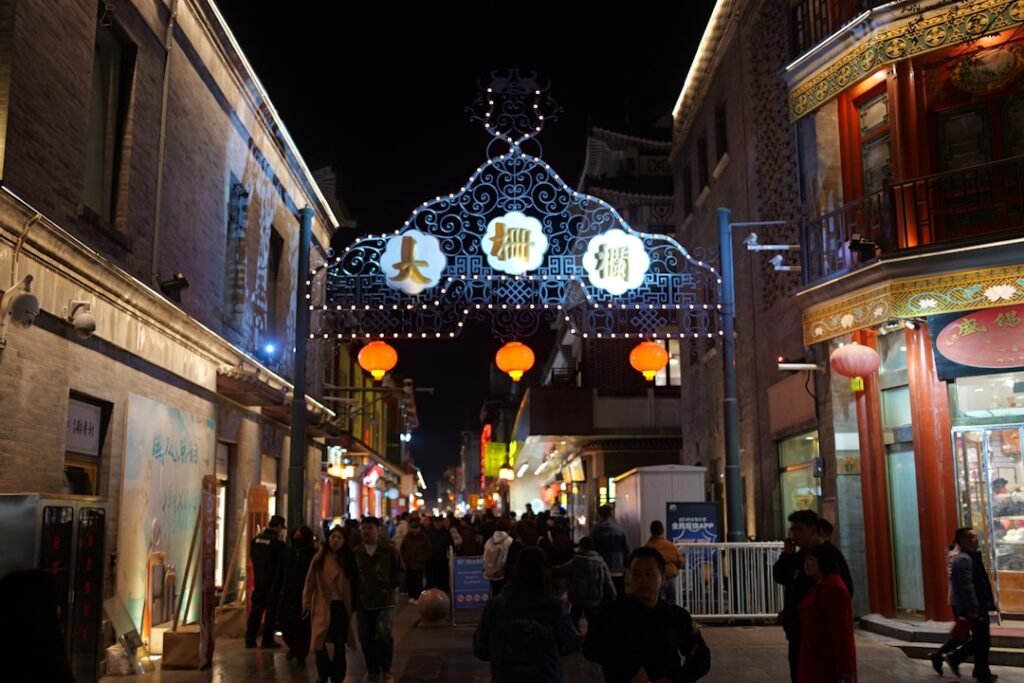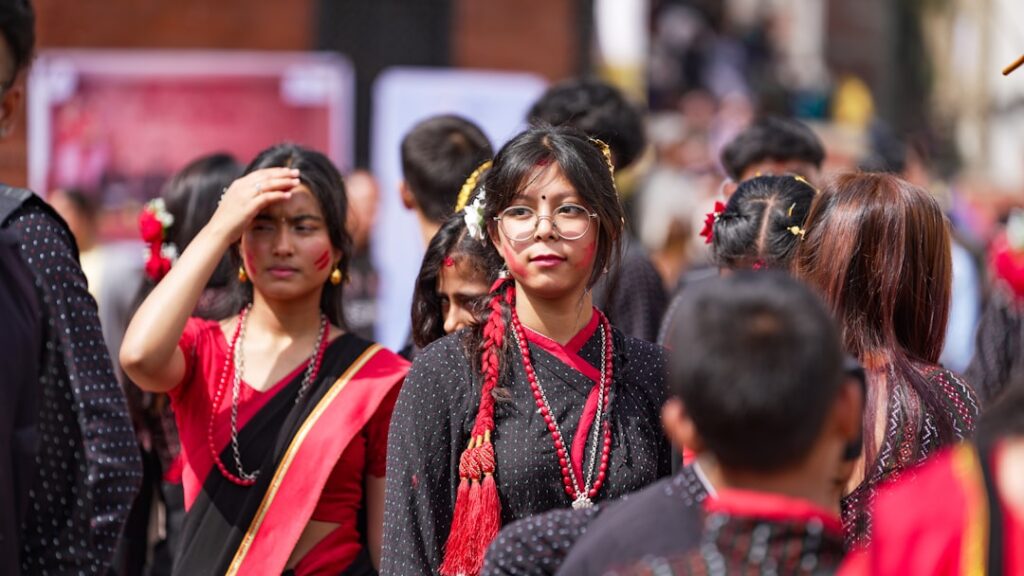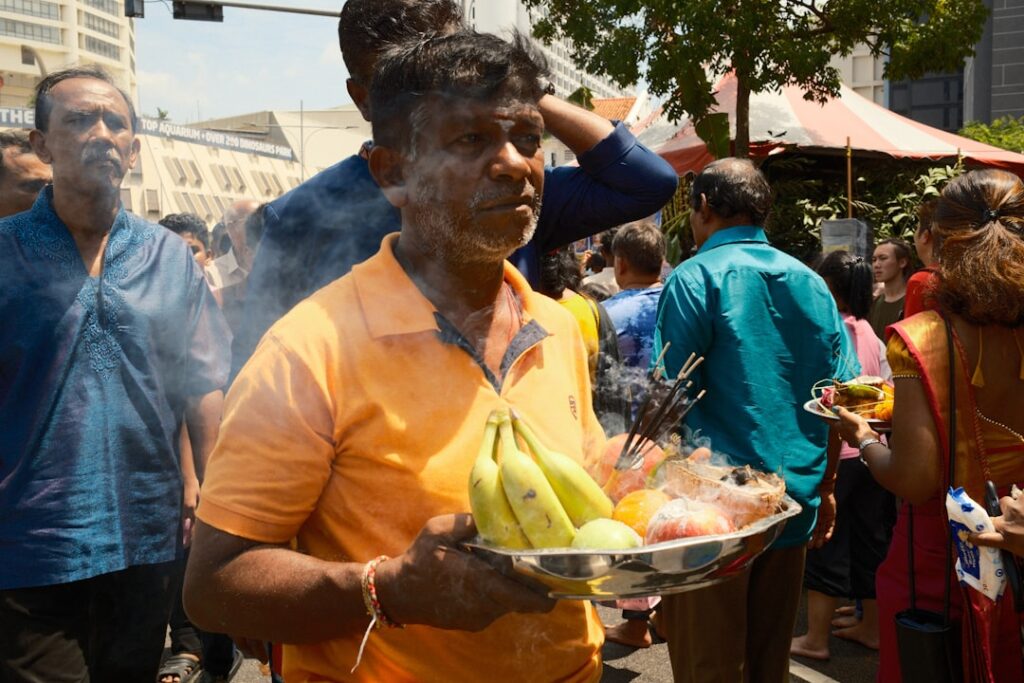
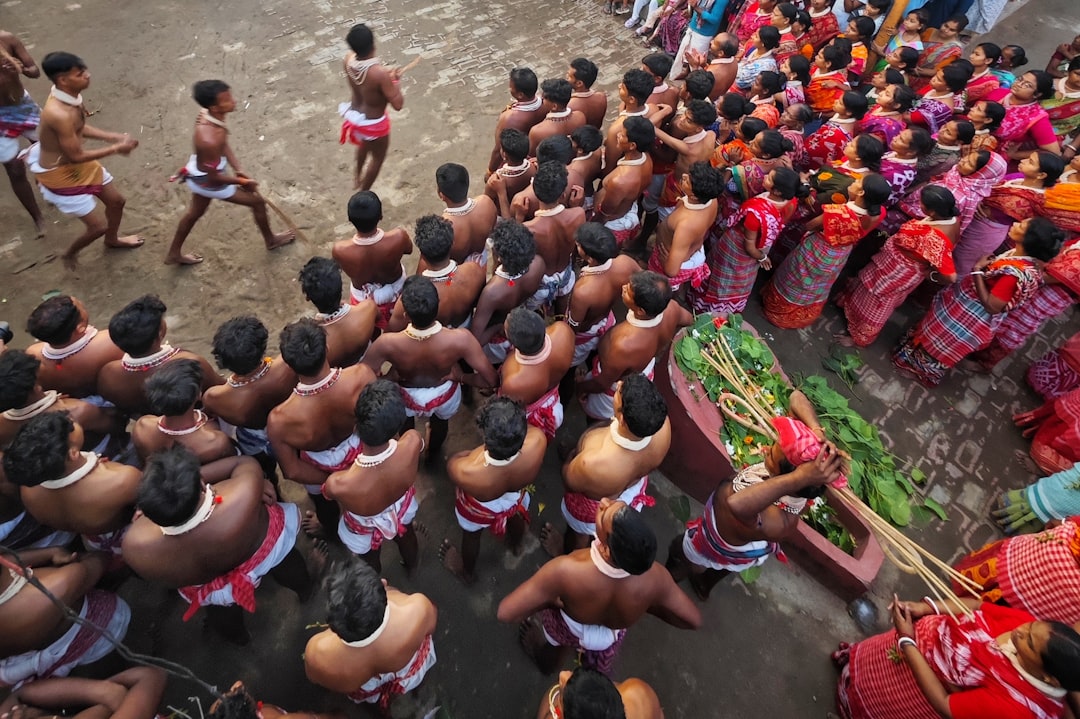
As the world becomes increasingly interconnected, the significance of traditional cultural festivals has never been more pronounced. These vibrant celebrations not only provide a glimpse into the rich heritage and customs of diverse communities but also serve as a powerful tool for bridging cultural gaps and fostering global understanding. From the colorful streets of India during Diwali to the mesmerizing lanterns of China’s Mid-Autumn Festival, each traditional cultural festival is a unique tapestry woven from threads of history, mythology, and communal spirit. In this blog post, we’ll embark on a fascinating journey to explore the essence of traditional cultural festivals, their impact on local and global communities, and the ways in which we can participate in and appreciate these extraordinary events.
The Significance of Traditional Cultural Festivals
Traditional cultural festivals are more than just spectacular displays of music, dance, and cuisine; they are living embodiments of cultural heritage, passed down through generations. These festivals often have deep-rooted connections to the history, mythology, and values of the community, serving as a means to preserve and celebrate the unique identity of a culture. For instance, the Day of the Dead (Día de los Muertos) in Mexico is a poignant festival that honors the deceased, reflecting the country’s distinct perspective on mortality and the afterlife. Similarly, the Cherry Blossom Festival (Hanami) in Japan is a celebration of the fleeting beauty of life, symbolized by the transient blossoms of the cherry tree.
Participating in these festivals offers a profound opportunity for cultural immersion, allowing individuals to experience firsthand the customs, traditions, and values of a community. This direct engagement can foster empathy, understanding, and appreciation for the diversity that enriches our global society. Moreover, traditional cultural festivals have become significant tourist attractions, contributing to local economies and promoting cross-cultural exchange. The Carnival in Rio de Janeiro, Brazil, for example, is a world-renowned festival that attracts millions of visitors, showcasing the country’s vibrant music, dance, and art.
Preserving Cultural Heritage in the Modern Era
In an increasingly globalized world, the preservation of traditional cultural festivals faces numerous challenges, including cultural homogenization and the erosion of local customs. However, many communities are taking proactive steps to ensure the continuation of their cultural heritage. For instance, cultural festivals are being incorporated into educational curricula, teaching younger generations about the significance and history of these celebrations. Additionally, digital platforms are being utilized to promote and preserve cultural festivals, making them more accessible to a global audience and providing a valuable resource for cultural education.
The role of technology in preserving cultural heritage is multifaceted. On one hand, it offers unparalleled opportunities for the documentation and dissemination of cultural knowledge. Digital archives of traditional music, dance, and art can be created, ensuring that these aspects of culture are not lost over time. On the other hand, technology can also facilitate the evolution of cultural festivals, incorporating modern elements while retaining their traditional essence. The use of social media, for example, can enhance the visibility of cultural festivals, attracting new participants and spectators from around the world.
Participating in Traditional Cultural Festivals
For those interested in experiencing the vibrancy of traditional cultural festivals, there are numerous ways to participate and engage with these events. Traveling to the country or region where a festival is held can provide an immersive experience, allowing individuals to fully immerse themselves in the local culture. Many festivals also offer workshops or classes where participants can learn traditional dances, crafts, or culinary skills, providing a deeper understanding and appreciation of the culture.
Additionally, attending cultural festivals in one’s own community can be a rewarding experience. Many cities around the world host cultural festivals that celebrate the diversity of their residents, offering a taste of global cultures without the need for international travel. These local festivals not only promote cross-cultural understanding but also serve as a platform for community building, fostering a sense of belonging among participants.
The Economic and Social Impact of Traditional Cultural Festivals
Traditional cultural festivals have a significant impact on both local and national economies. They attract tourists, create jobs, and stimulate local businesses, contributing to economic growth. The Mardi Gras in New Orleans, for instance, is a major economic driver for the city, with millions of dollars spent on tourism and local goods and services during the festival period.
Beyond their economic benefits, traditional cultural festivals also play a crucial role in promoting social cohesion and community spirit. They provide a common ground where people from all walks of life can come together, celebrate, and reinforce social bonds. In times of crisis or hardship, these festivals can serve as a beacon of hope and unity, reminding communities of their resilience and strength.
Conclusion: Celebrating the Diversity of Traditional Cultural Festivals
Traditional cultural festivals are a testament to the incredible diversity and richness of human culture, offering a window into the histories, beliefs, and values of communities around the world. As we navigate the complexities of a globalized world, the importance of preserving and celebrating these festivals cannot be overstated. Whether through participation, education, or cultural exchange, embracing traditional cultural festivals is a powerful way to foster global understanding, promote cultural heritage, and enrich our lives with the vibrant tapestry of human experience.
In conclusion, traditional cultural festivals are not just colorful events or tourist attractions; they are living, breathing manifestations of cultural identity and community spirit. As we look to the future, it is crucial that we prioritize the preservation and celebration of these festivals, ensuring that their significance and beauty are appreciated by generations to come. By doing so, we can promote a more harmonious, inclusive, and culturally rich world, where the diversity of traditional cultural festivals is cherished and celebrated by all.