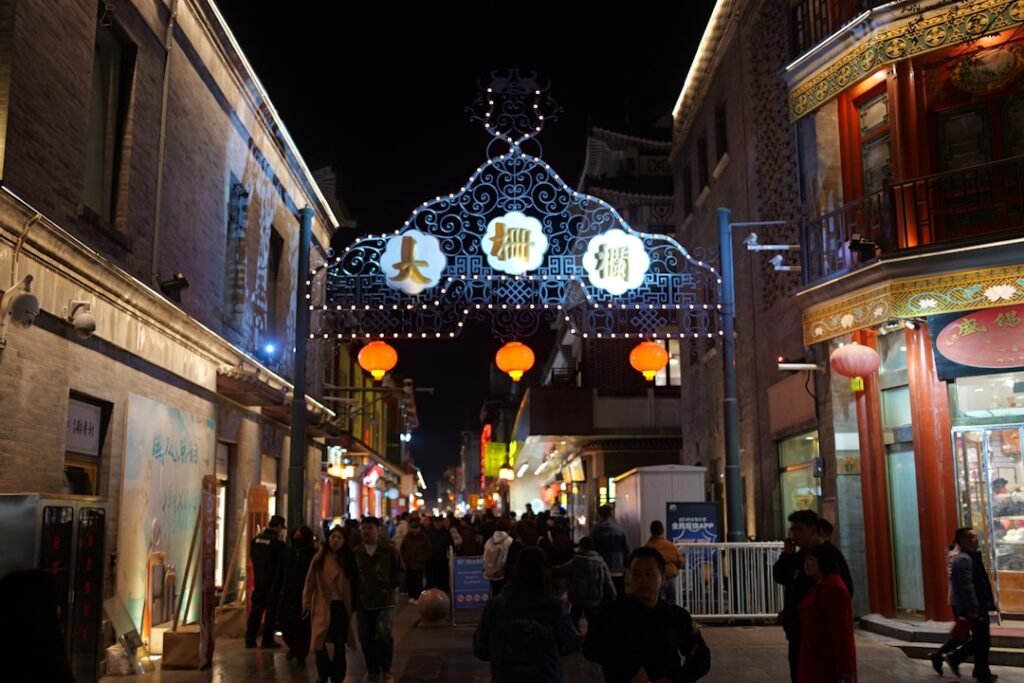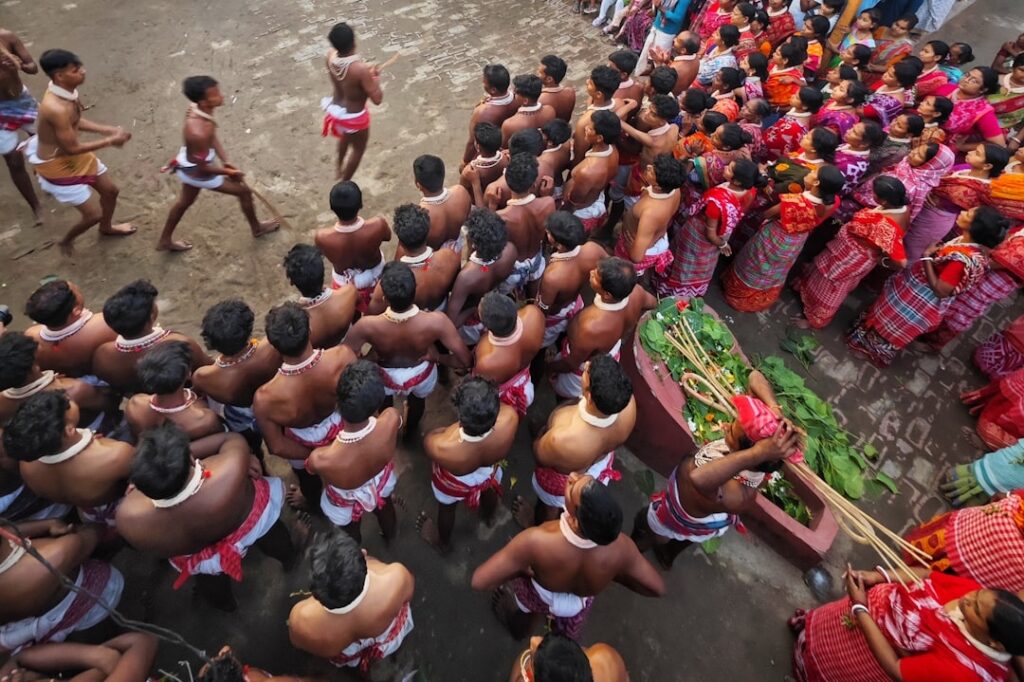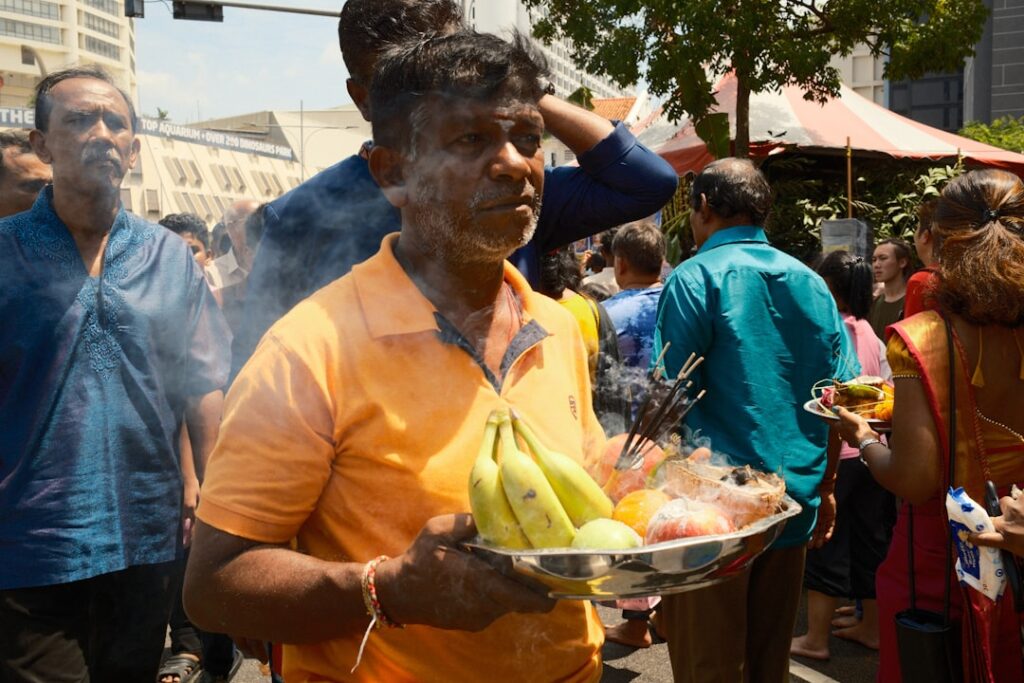
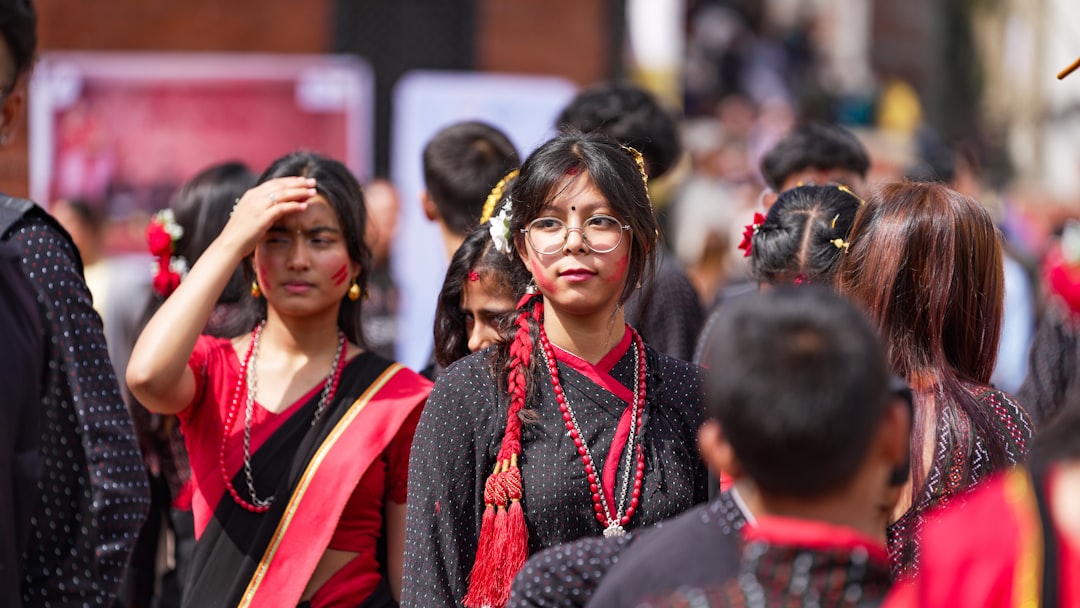
As the world becomes increasingly interconnected, the importance of preserving and celebrating our unique cultural heritage has never been more pronounced. Traditional cultural festivals, with their vibrant colors, captivating rhythms, and delectable cuisine, offer a fascinating glimpse into the diverse traditions and customs that shape our global community. From the cherry blossom festivals of Japan to the Carnival celebrations of Brazil, these events not only showcase the richness of human expression but also provide a platform for cross-cultural understanding and exchange. In this blog post, we’ll embark on a thrilling journey to explore the significance, history, and cultural context of traditional festivals, highlighting their role in promoting unity, diversity, and inclusivity.
The Significance of Traditional Cultural Festivals
Traditional cultural festivals are an integral part of our shared human experience, serving as a testament to the creativity, resilience, and diversity of cultures around the world. These events often revolve around significant milestones, such as harvest seasons, religious holidays, or historical anniversaries, and are frequently marked by spectacular processions, traditional music, and dance performances. By participating in or learning about these festivals, we can gain a deeper appreciation for the customs, values, and beliefs that underpin different societies, fostering greater empathy and tolerance. Moreover, traditional cultural festivals have become an essential component of cultural tourism, attracting millions of visitors each year and generating significant revenue for local economies. As we delve into the world of traditional festivals, we’ll discover the intricate relationships between culture, community, and identity.
A Global Tour of Traditional Cultural Festivals
Our journey takes us to the exotic landscapes of India, where the festival of Holi celebrates the arrival of spring with a kaleidoscope of colors and joyful abandon. In contrast, the Day of the Dead (Día de los Muertos) in Mexico is a poignant reminder of the significance of honoring our ancestors and the cycle of life. The Chinese New Year, with its majestic lion dances and fireworks displays, heralds the beginning of a new lunar cycle, while the Tomatina festival in Spain is a playful tribute to the region’s famous tomatoes. Each of these festivals offers a unique window into the history, mythology, and cultural practices of its respective country, highlighting the incredible diversity of human expression. As we explore these vibrant celebrations, we’ll uncover the common threads that bind us together, despite our cultural differences.
Preserving Cultural Heritage in the Modern Era
In an age of rapid globalization and technological advancement, the preservation of traditional cultural festivals has become a pressing concern. Many festivals are struggling to maintain their authenticity and relevance in the face of commercialization, urbanization, and cultural homogenization. However, there are numerous initiatives and organizations working tirelessly to promote and safeguard our cultural heritage. The United Nations Educational, Scientific and Cultural Organization (UNESCO) has recognized the importance of intangible cultural heritage, including traditional festivals, by establishing the UNESCO Intangible Cultural Heritage Lists. Moreover, community-based projects and cultural festivals are being revitalized through innovative approaches, such as digital documentation, cultural education programs, and sustainable tourism practices. By supporting these efforts, we can help ensure the long-term survival of traditional cultural festivals and the rich cultural diversity they represent.
The Power of Cultural Exchange and Understanding
Traditional cultural festivals have the extraordinary ability to transcend borders, languages, and cultural boundaries, facilitating meaningful connections between people from diverse backgrounds. By engaging with and learning from these festivals, we can break down stereotypes, challenge our assumptions, and develop a more nuanced understanding of the complexities of human culture. The exchange of ideas, traditions, and values can also inspire creativity, innovation, and collaboration, as individuals and communities come together to share their experiences and perspectives. As we navigate an increasingly interconnected world, the importance of cultural exchange and understanding cannot be overstated. By embracing our shared humanity and celebrating our differences, we can build bridges of mutual respect, empathy, and cooperation, ultimately creating a more harmonious and inclusive global community.
In conclusion, traditional cultural festivals are a testament to the incredible richness and diversity of human culture, offering a unique opportunity for cross-cultural understanding, exchange, and celebration. As we’ve journeyed through the vibrant landscapes of traditional festivals, we’ve discovered the significance of preserving our cultural heritage, the importance of cultural exchange, and the role of these events in promoting unity, diversity, and inclusivity. By embracing and learning from these festivals, we can foster a deeper appreciation for the complexities of human culture, challenge our assumptions, and develop a more nuanced understanding of the world around us. So, let us come together to celebrate our shared humanity, honor our cultural differences, and ensure the long-term survival of traditional cultural festivals for generations to come.