Are you ready to embark on a journey that will leave you with unforgettable memories and a deeper understanding of the world’s diverse cultures? From vibrant festivals to ancient traditions, unique cultural experiences await you in every corner of the globe. In this blog post, we’ll take you on a tour of the most fascinating cultural experiences that will enrich your travels and broaden your perspective. So, pack your bags, grab your passport, and get ready to immerse yourself in the world’s most incredible cultural experiences.
Discovering Hidden Gems: Off-the-Beaten-Path Cultural Experiences
When it comes to cultural experiences, many travelers flock to popular destinations like Tokyo, Paris, or New York. However, some of the most unique and authentic cultural experiences can be found in lesser-known locations. For instance, the town of Guanajuato in Mexico is a treasure trove of colonial architecture, colorful streets, and rich cultural heritage. Visit the town’s vibrant market, where you can sample local delicacies, buy handmade crafts, and interact with the friendly locals. Similarly, the city of Luang Prabang in Laos is a UNESCO World Heritage Site, boasting a unique blend of French colonial and Buddhist influences. Take a stroll along the Mekong River, explore the night market, and experience the city’s serene atmosphere.
To make the most of your cultural experience, consider staying in locally-owned accommodations, such as family-run guesthouses or boutique hotels. This will not only provide you with a more authentic experience but also support the local community. Additionally, be sure to respect local customs and traditions, especially when visiting sacred sites or attending cultural events. By being mindful of your surroundings and behaving respectfully, you’ll be able to fully immerse yourself in the local culture and create meaningful connections with the people you meet.
Festivals and Celebrations: A Window into Local Culture
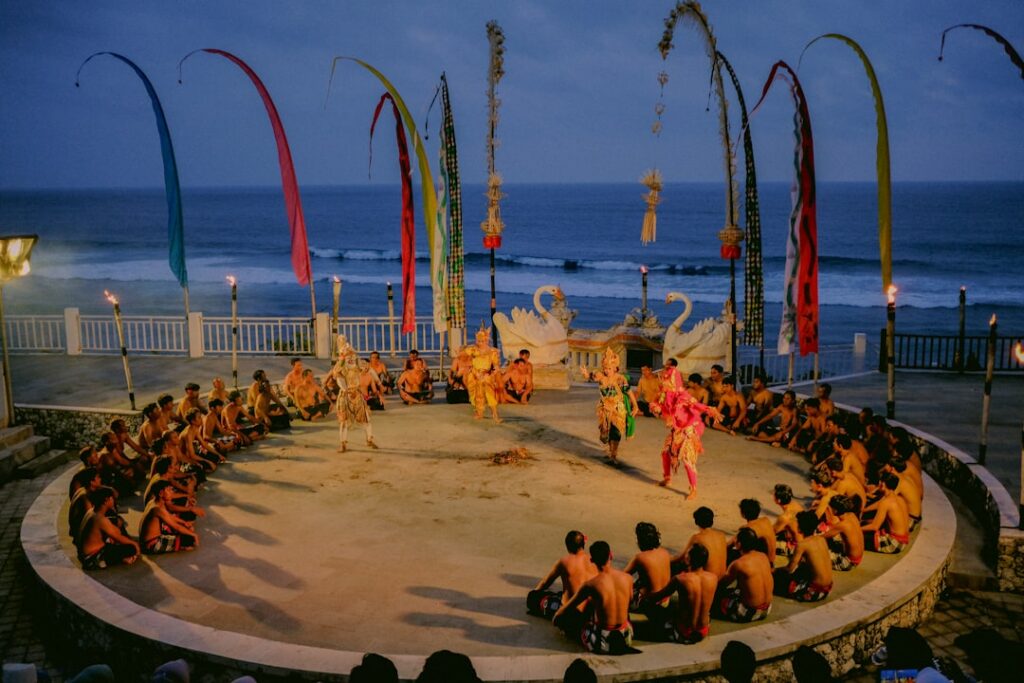
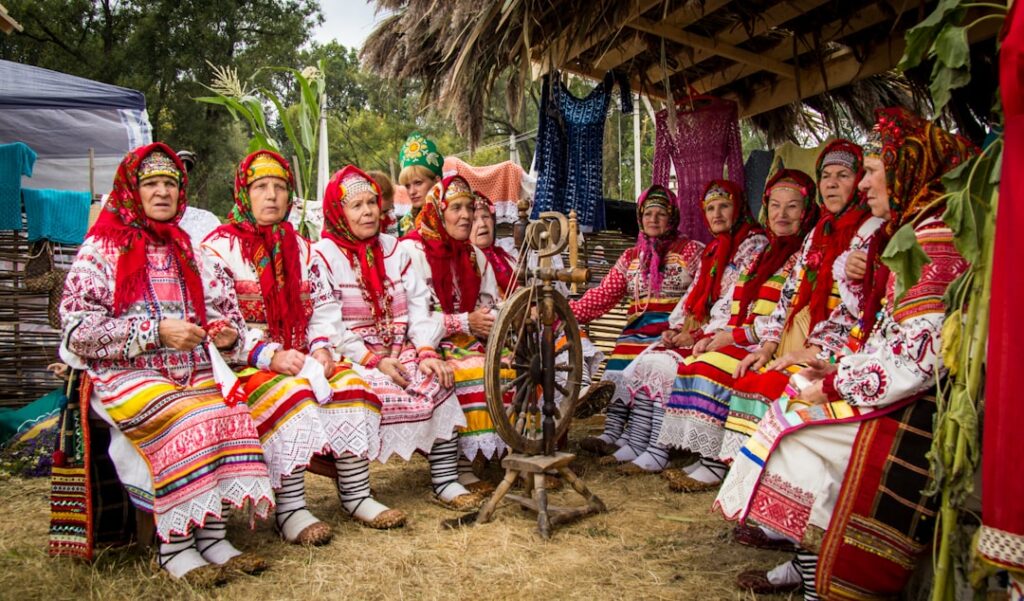
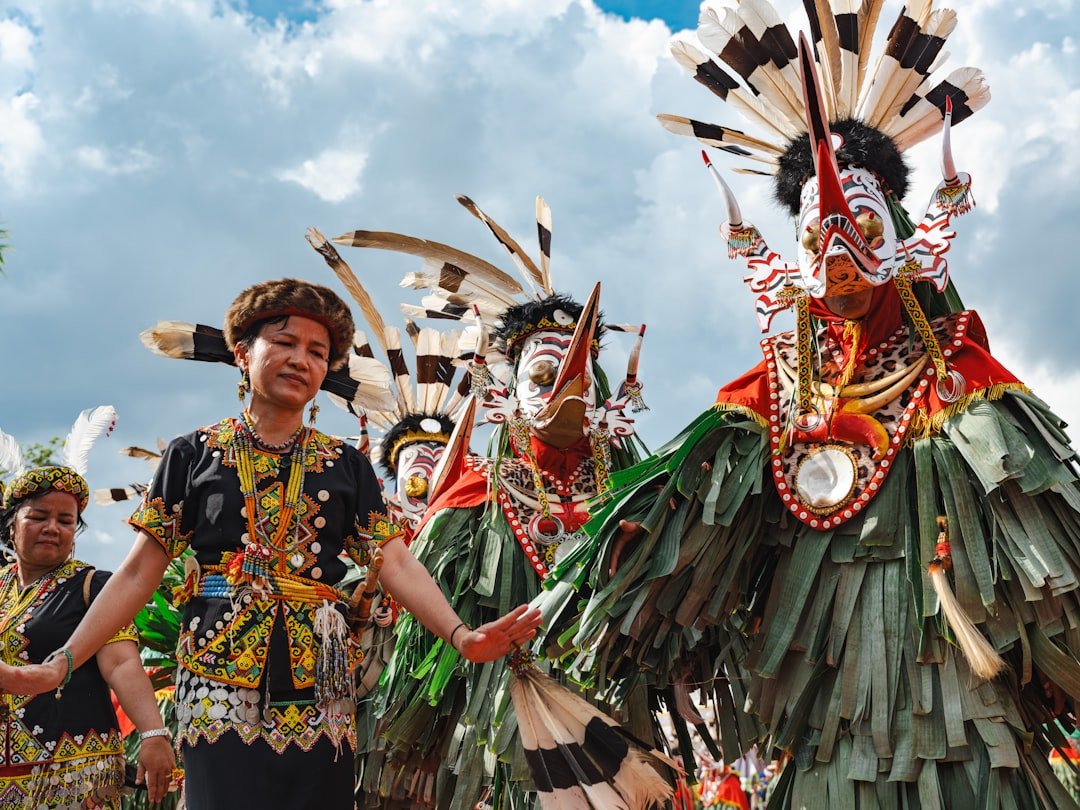
Festivals and celebrations are an integral part of any culture, offering a glimpse into the local way of life, traditions, and values. The Holi festival in India, for example, is a vibrant celebration of colors, music, and dance, marking the arrival of spring. Similarly, the Day of the Dead in Mexico is a unique and fascinating festival, where families honor their ancestors with elaborate altars, traditional food, and festivities. Attending a local festival or celebration is an excellent way to experience the local culture firsthand, meet new people, and create unforgettable memories.
When attending a festival or celebration, be sure to dress appropriately, respect local customs, and follow any guidelines or instructions provided by the organizers. It’s also essential to be mindful of your surroundings and keep a safe distance from any sensitive or sacred areas. By being respectful and considerate, you’ll be able to fully enjoy the festival and appreciate the local culture. Moreover, don’t hesitate to ask questions or seek guidance from locals, who will be more than happy to share their knowledge and insights with you.
Cultural Immersion: A Deeper Connection with Local Communities
Cultural immersion is about more than just attending festivals or visiting tourist attractions; it’s about forging a deeper connection with local communities and experiencing their way of life. One of the best ways to achieve this is by participating in local workshops, classes, or volunteer programs. For instance, you could take a cooking class in Italy, learn traditional dance in Brazil, or participate in a community development project in Africa. By engaging with locals and contributing to their community, you’ll be able to gain a more nuanced understanding of their culture, traditions, and daily life.
Another way to immerse yourself in local culture is by learning the local language. Even basic phrases like “hello,” “thank you,” and “excuse me” can go a long way in showing respect and appreciation for the local culture. Additionally, consider staying in one place for an extended period, rather than rushing from one destination to another. This will allow you to develop a deeper connection with the local community, observe daily life, and experience the local culture in a more authentic way.
Preserving Cultural Heritage: The Importance of Responsible Tourism
As travelers, we have a responsibility to preserve cultural heritage and promote responsible tourism. This means being mindful of our impact on local environments, respecting sacred sites, and supporting local communities. By choosing eco-friendly accommodations, reducing our carbon footprint, and respecting local customs, we can help preserve cultural heritage for future generations. Moreover, by supporting local businesses and artisans, we can contribute to the local economy and help promote cultural exchange.
To make a positive impact on local communities, consider partnering with reputable tour operators or local guides who prioritize responsible tourism. These operators can provide valuable insights into local culture, customs, and traditions, while also ensuring that your presence has a minimal impact on the environment. Additionally, be sure to respect local regulations, follow guidelines, and avoid engaging in activities that could harm the local ecosystem or cultural heritage.
In conclusion, unique cultural experiences are a powerful way to enrich our travels, broaden our perspective, and create lasting memories. By exploring off-the-beaten-path destinations, attending local festivals, immersing ourselves in local communities, and promoting responsible tourism, we can gain a deeper understanding of the world’s diverse cultures and contribute to their preservation. So, where will your next cultural adventure take you? Remember to be respectful, open-minded, and curious, and you’ll be sure to have a life-changing experience that will stay with you forever. Key takeaways include:
- Immerse yourself in local culture by attending festivals, participating in workshops, and learning the local language
- Respect local customs, traditions, and environments to promote responsible tourism
- Support local communities by choosing eco-friendly accommodations, reducing your carbon footprint, and supporting local businesses
- Partner with reputable tour operators or local guides to ensure a positive impact on local communities
- Be mindful of your surroundings, respect sacred sites, and follow guidelines to avoid harming the local ecosystem or cultural heritage.