As you step into the ancient streets of a historic city, the whispers of the past envelop you, transporting you to an era of grandeur and mystique. The worn cobblestones, the majestic architecture, and the resilience of the people who have called these cities home for centuries – all of these elements weave together to create an experience that is nothing short of enchanting. Whether you’re a history buff, an architecture enthusiast, or simply a curious traveler, historic cities have a way of captivating your imagination and leaving you spellbound. In this blog post, we’ll embark on a journey to explore some of the most fascinating historic cities around the world, highlighting their unique attractions, hidden gems, and insider tips to make your travel experience truly unforgettable.
Discovering the Cradle of Civilization: Ancient Cities
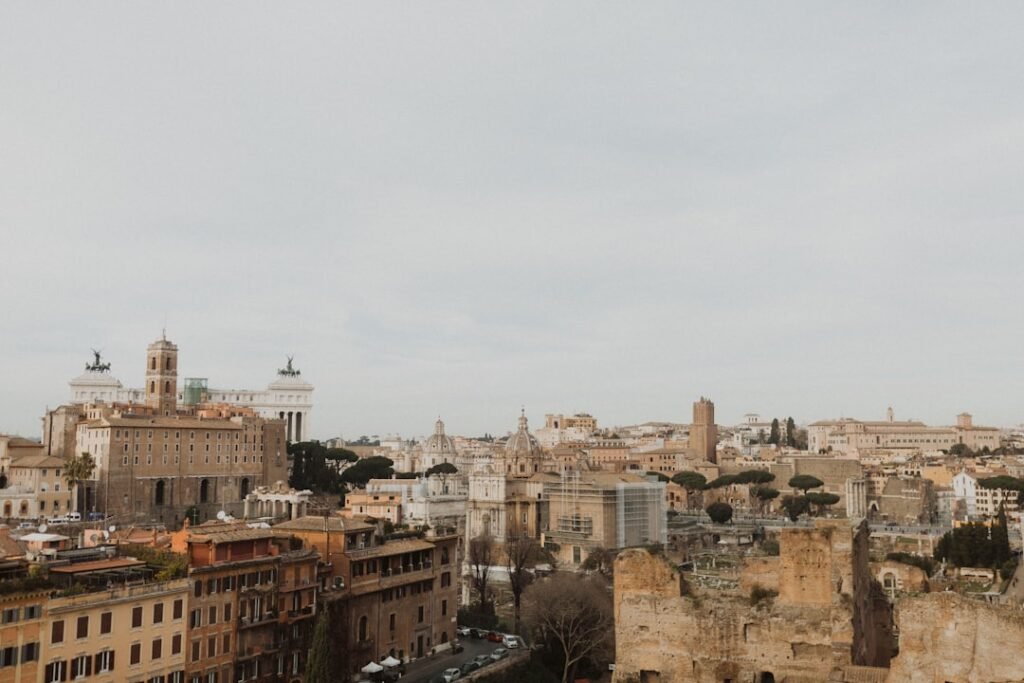
The allure of ancient cities lies in their ability to transport us back in time, giving us a glimpse into the lives of our ancestors and the civilizations that shaped the world as we know it today. Cities like Rome, Athens, and Istanbul are not just historical landmarks but living, breathing entities that have witnessed the rise and fall of empires, the evolution of cultures, and the passage of time etching its indelible mark on their landscapes. Rome, with its Colosseum and Pantheon, stands as a testament to the engineering and architectural prowess of the ancient Romans. Athens, the birthplace of democracy, beckons with its Acropolis, a citadel that has watched over the city for millennia. Istanbul, straddling Europe and Asia, is a melting pot of cultures, with its Hagia Sophia and Topkapi Palace telling tales of the Byzantine and Ottoman empires. When visiting these cities, consider exploring beyond the main tourist attractions to uncover the local cuisine, visit lesser-known museums, and engage with the community to get a deeper understanding of their history and culture.
Unraveling the Mystique of Medieval Towns
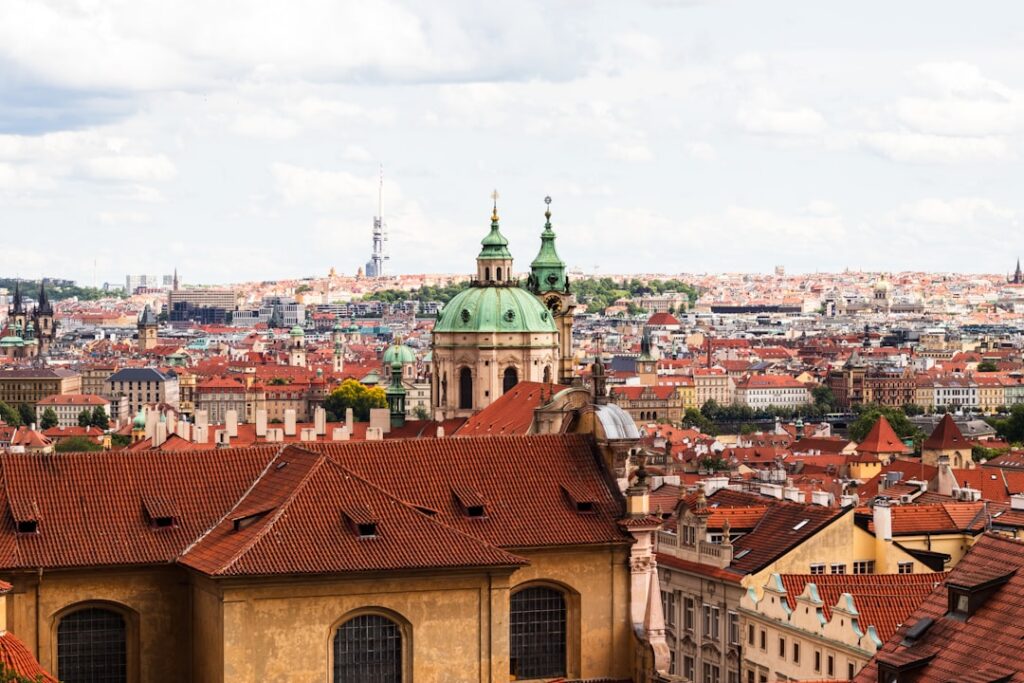
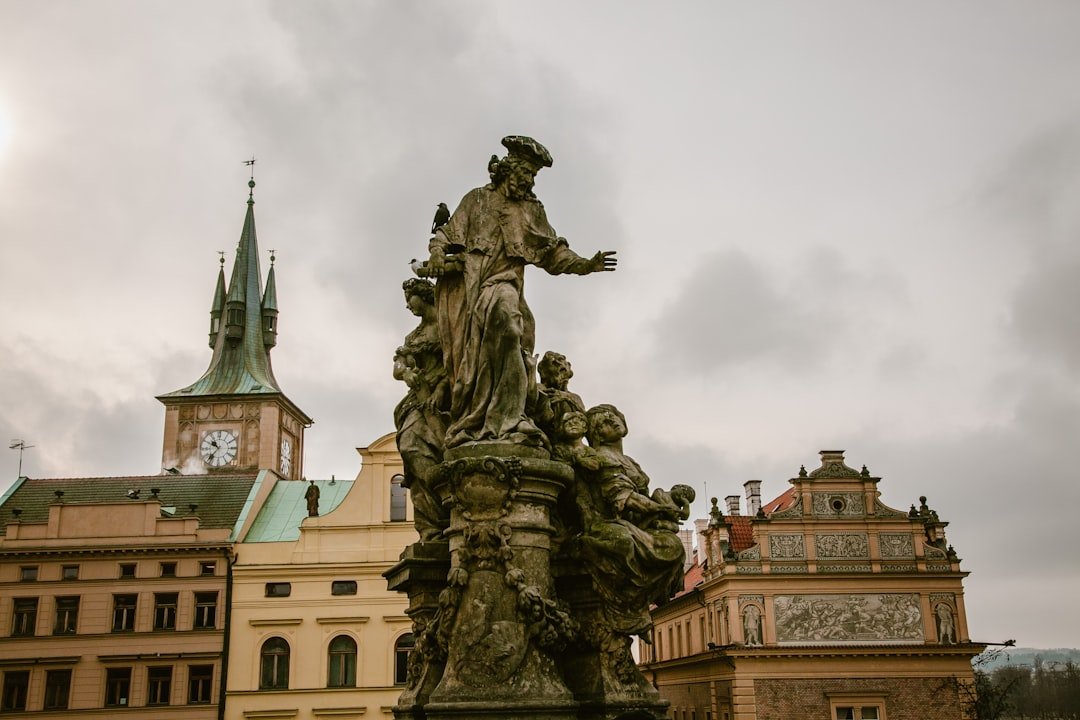
Medieval towns, with their well-preserved architecture and quaint landscapes, offer a unique window into the Middle Ages. Cities like Prague, Venice, and Bruges are like stepping into a fairy tale, with their Gothic spires, winding canals, and bustling market squares. Prague, with its Charles Bridge and St. Vitus Cathedral, is a masterpiece of Gothic architecture, while Venice, with its Grand Canal and St. Mark’s Square, is a city like no other, built on water and filled with mystery. Bruges, often called the “Venice of the North,” is a charming medieval town with its belfry tower and picturesque canals, offering a serene and peaceful atmosphere. When exploring these medieval towns, take your time to wander through the narrow streets, visit local artisans, and enjoy the regional delicacies to fully immerse yourself in the medieval ambiance. Additionally, consider visiting during the shoulder season to avoid the crowds and enjoy a more authentic experience.
Exploring the Grandeur of Imperial Cities
Imperial cities, once the seats of powerful empires, are a testament to the grandiosity and ambition of their rulers. Cities like Beijing, Vienna, and St. Petersburg are a showcase of imperial architecture, with their grand palaces, opera houses, and museums. Beijing, with its Forbidden City and the Great Wall, is a symbol of Chinese imperial power, while Vienna, with its Schönbrunn Palace and St. Stephen’s Cathedral, reflects the opulence of the Habsburg Empire. St. Petersburg, founded by Peter the Great, is a city of canals and baroque architecture, with its Hermitage Museum housing one of the largest art collections in the world. When visiting these imperial cities, plan your itinerary to include both the iconic landmarks and the lesser-known districts, such as the hutongs in Beijing or the MuseumsQuartier in Vienna, to get a comprehensive view of their history and cultural significance. Furthermore, attending a local festival or event can provide a unique insight into the contemporary culture of these cities.
Navigating the Modern Face of Historic Cities
Today, historic cities are not just relics of the past but thriving metropolises that have adapted to the modern world while preserving their heritage. Cities like Barcelona, Berlin, and Kyoto are examples of how historical significance can blend seamlessly with contemporary culture. Barcelona, with its Sagrada Familia and Park Güell, is a showcase of modernist architecture, while Berlin, with its Berlin Wall Memorial and Museum Island, is a city that has reinvented itself after a tumultuous past. Kyoto, with its temples and gardens, is a city that has managed to preserve its traditional soul in the heart of modern Japan. When exploring these cities, use public transportation or walk/bike whenever possible to experience the urban landscape up close. Also, indulge in the local food scene, which often reflects the historical and cultural diversity of these cities. For instance, trying traditional Catalan cuisine in Barcelona or sampling street food in Kyoto can be a culinary adventure that complements your historical explorations.
In conclusion, historic cities are more than just tourist destinations; they are living repositories of human history, culture, and ingenuity. Whether you’re drawn to the ancient ruins, the medieval charm, the imperial grandeur, or the modern vibrancy, each city has its unique story to tell and secrets to uncover. As you plan your next travel adventure, consider diving into the timeless charm of historic cities, where every stone, every brick, and every corner holds a tale of the past, waiting to be discovered. Key takeaways for your journey include embracing local cultures, exploring beyond tourist attractions, and respecting the historical and cultural heritage of these cities. By doing so, you not only enrich your travel experience but also contribute to the preservation of these invaluable treasures for future generations. So, pack your bags, grab your camera, and get ready to unravel the mysteries of the world’s most captivating historic cities.