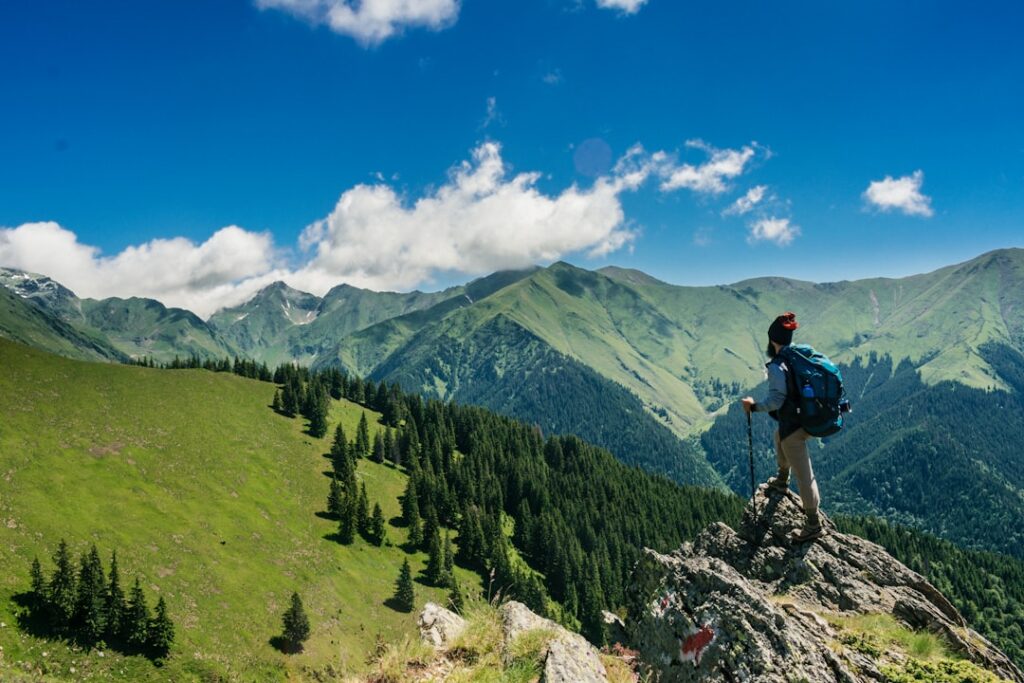
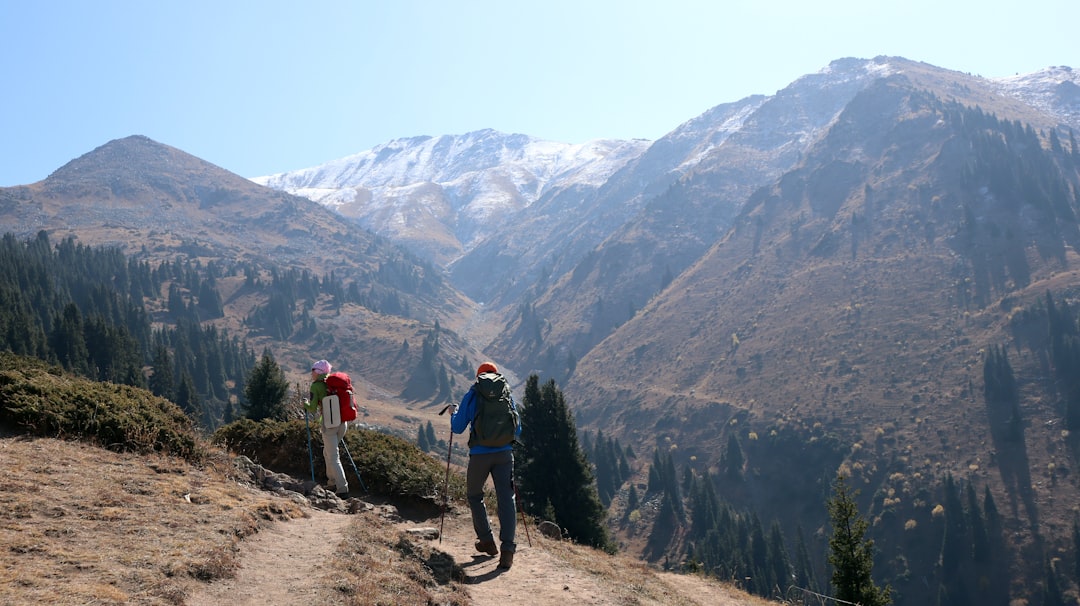
Are you ready to push your limits, challenge your senses, and connect with nature on a profound level? Mountain trekking is an exhilarating adventure that offers breathtaking scenery, thrilling trails, and a sense of accomplishment that’s hard to match. From the snow-capped peaks of the Himalayas to the rugged trails of the Rocky Mountains, the world’s most magnificent mountain ranges beckon trekkers of all levels to come and explore their grandeur. In this comprehensive guide, we’ll delve into the world of mountain trekking, sharing expert tips, essential gear, and inspiring stories to help you plan your next adventure.
Pre-Trek Preparations: Getting Ready for the Challenge
Before you lace up your hiking boots and hit the trails, it’s essential to prepare yourself physically, mentally, and logistically. Mountain trekking demands a good level of cardiovascular fitness, strength, and endurance, so start training at least 2-3 months in advance. Incorporate cardio exercises like running, cycling, or swimming into your routine, and engage in strength training to build up your muscles. Additionally, practice yoga or stretching exercises to improve your flexibility and balance. It’s also crucial to acclimatize yourself to high altitudes, if applicable, to avoid altitude sickness.
When it comes to gear, invest in high-quality, waterproof hiking boots, comfortable clothing, and layers for changing weather conditions. Don’t forget to pack essential items like a first-aid kit, navigation tools, headlamp, and emergency shelter. Research your trekking route, understand the terrain, and check the weather forecast to ensure you’re prepared for any situation. Consider hiring a guide or joining a guided tour, especially if you’re a beginner or tackling a challenging route.
Choosing the Right Trek: From Easy Day Hikes to Multi-Day Expeditions
With thousands of trekking routes worldwide, choosing the right one can be overwhelming. Consider your fitness level, experience, and interests when selecting a trek. For beginners, start with easy day hikes like the Inca Trail in Peru or the Tour du Mont Blanc in the Alps. These trails offer stunning scenery, well-marked paths, and a taste of mountain trekking without the need for extensive experience. For more seasoned trekkers, multi-day expeditions like the Everest Base Camp trek or the John Muir Trail in California offer a chance to immerse yourself in the wilderness and push your limits.
When selecting a trek, consider factors like distance, elevation gain, terrain difficulty, and weather conditions. Look for trails with well-established infrastructure, including accommodations, food, and water sources. Be sure to check local regulations, obtain necessary permits, and respect the environment and local communities. Whether you’re a solo trekker or part of a group, choose a route that aligns with your goals, budget, and preferences.
Safety First: Essential Tips for a Secure Trekking Experience
Mountain trekking can be unpredictable, and safety should always be your top priority. Before embarking on your trek, research potential hazards like rockfall, landslides, and wildlife encounters. Be aware of your surroundings, stay alert, and trust your instincts. Always carry a personal locator beacon (PLB) or satellite phone, especially in remote areas with no cell service.
When trekking in a group, stay together, and designate a leader to make decisions and provide guidance. Establish a communication plan, including a meeting point in case of separation. Be prepared for emergencies by carrying a first-aid kit, knowing basic first aid techniques, and having a plan for evacuation. Respect the environment, follow local regulations, and practice Leave No Trace principles to minimize your impact on the ecosystem.
Immersing in Local Culture: The Human Side of Mountain Trekking
Mountain trekking is not just about the scenery; it’s also about the people and cultures you encounter along the way. Take time to engage with local communities, learn about their traditions, and respect their way of life. Visit local villages, try traditional cuisine, and support local economies by purchasing handicrafts or staying in family-run lodges.
In many mountain regions, trekking is not just a recreational activity but a way of life. Learn about the history, mythology, and spiritual significance of the mountains, and appreciate the unique cultural heritage of each region. By immersing yourself in local culture, you’ll gain a deeper understanding of the environment, the people, and the trekking experience itself. Whether you’re trekking in the Himalayas, the Andes, or the Rockies, remember that you’re a guest in someone else’s backyard, and behave accordingly.
Conclusion: Key Takeaways for an Unforgettable Mountain Trekking Experience
Mountain trekking is a transformative adventure that offers breathtaking scenery, physical challenges, and cultural richness. To make the most of your experience, remember to prepare thoroughly, choose the right trek, prioritize safety, and immerse yourself in local culture. With the right mindset, gear, and knowledge, you’ll be ready to conquer the peaks and create unforgettable memories.
As you embark on your next mountain trekking adventure, keep in mind the following key takeaways:
- Prepare physically, mentally, and logistically to ensure a safe and enjoyable experience.
- Choose a trek that aligns with your fitness level, experience, and interests.
- Prioritize safety, respect the environment, and follow local regulations.
- Immerse yourself in local culture, engage with communities, and support local economies.
- Stay flexible, be open-minded, and enjoy the journey, not just the destination.
By following these guidelines and embracing the spirit of adventure, you’ll be well on your way to creating an unforgettable mountain trekking experience that will leave you inspired, transformed, and eager for the next challenge. So, lace up your boots, grab your backpack, and get ready to conquer the peaks!