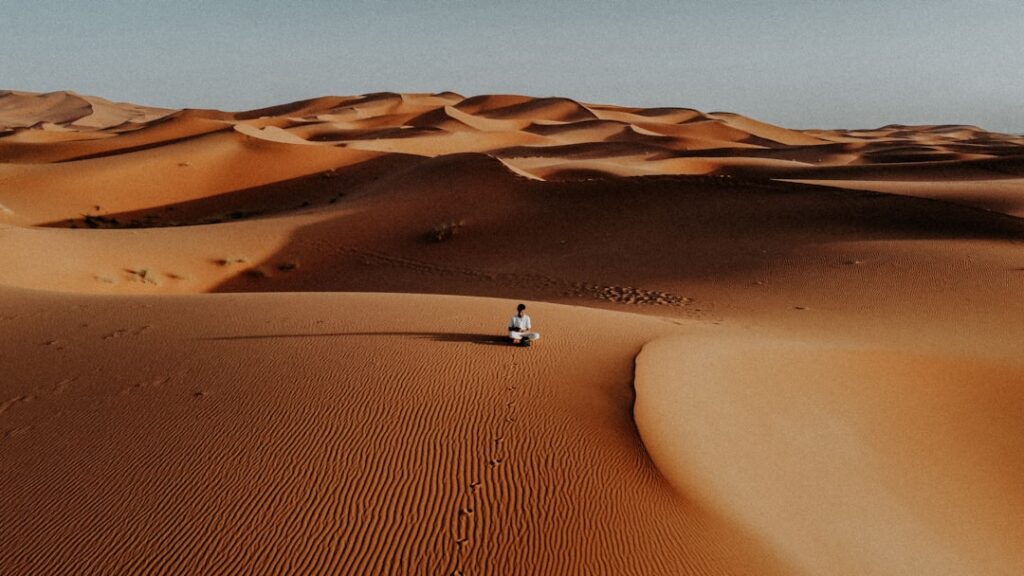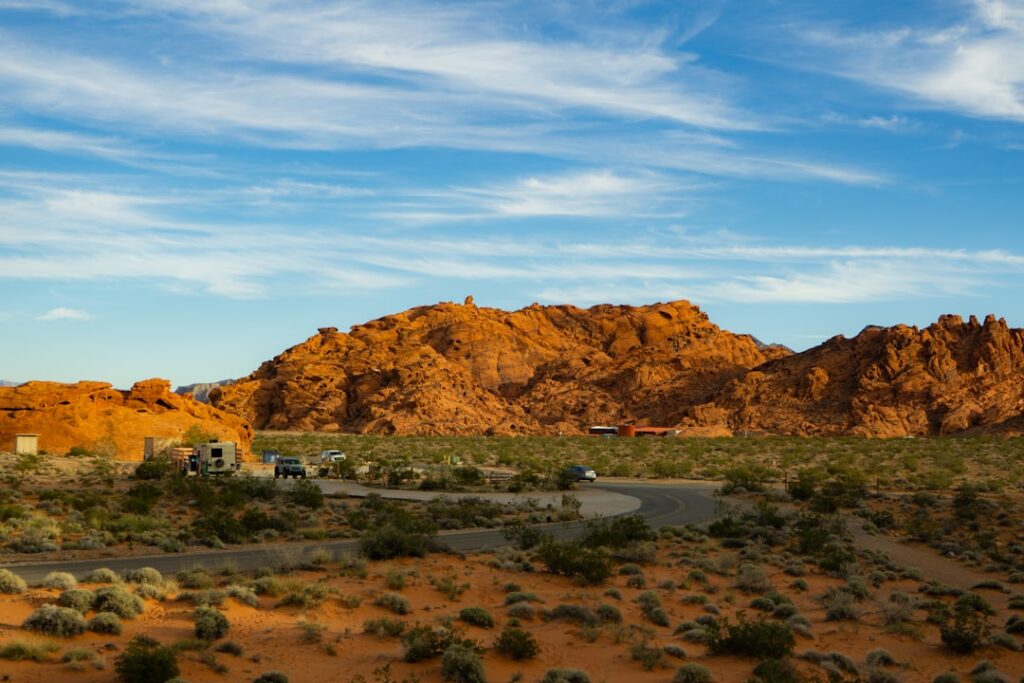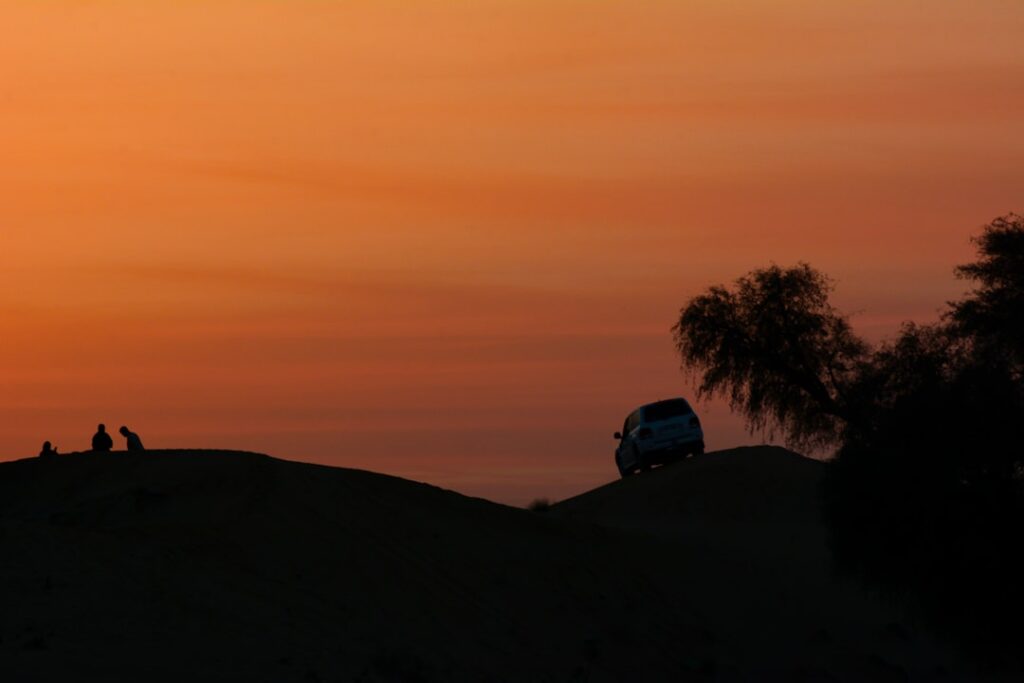
As the sun sets over the dunes, casting a warm orange glow over the vast expanse of the desert, you can’t help but feel a sense of adventure and awe. Desert camping is an experience like no other, offering a unique blend of solitude, stunning natural beauty, and thrilling outdoor activities. But, as with any wilderness adventure, it requires careful planning, preparation, and knowledge of the terrain. In this comprehensive guide, we’ll delve into the world of desert camping, exploring the best destinations, essential gear, and expert tips to ensure a safe and unforgettable experience under the starry desert sky.
Choosing the Perfect Desert Camping Destination
When it comes to desert camping, the United States is home to some of the most spectacular and diverse destinations. From the majestic sand dunes of Death Valley National Park to the rugged landscape of Big Bend National Park, each location offers a unique set of challenges and opportunities. Some popular desert camping spots include:
- Joshua Tree National Park, California: Known for its iconic rock formations and Joshua trees, this park is a haven for rock climbers and nature enthusiasts.
- Saguaro National Park, Arizona: Home to the towering saguaro cactus, this park offers breathtaking sunsets and a glimpse into the Sonoran Desert’s unique ecosystem.
- Great Basin National Park, Nevada: With its 5,000-year-old bristlecone pine trees and limestone caverns, this park is a must-visit for anyone interested in geology and botany.
- Tent and sleeping gear: A sturdy, waterproof tent and a warm sleeping bag are crucial for a comfortable night’s sleep under the stars.
- Water and hydration: Bring plenty of water and a water filtration system to ensure access to safe drinking water.
- Sun protection: Pack a wide-brimmed hat, sunglasses, and sunscreen with a high SPF to protect yourself from the intense desert sun.
- First aid kit: A well-stocked first aid kit should include supplies for treating heat-related illnesses, wounds, and allergic reactions.
- Navigation tools: A compass, map, and GPS device will help you navigate the desert terrain and stay on track.
- Be aware of your surroundings: Keep an eye out for potential hazards such as rattlesnakes, cacti, and steep drop-offs.
- Stay hydrated: Drink plenty of water throughout the day, and avoid hiking during the hottest part of the day.
- Bring a buddy: Whenever possible, camp with a partner or group to ensure someone is available to help in case of an emergency.
- Respect the environment: Follow the principles of Leave No Trace, and avoid disturbing the natural habitat and wildlife.
- Hiking and backpacking: Explore the desert terrain on foot, and take in the breathtaking views from the top of a sand dune or rock formation.
- Rock climbing: Challenge yourself on the desert’s unique rock formations, and enjoy the thrill of conquering a difficult route.
- Wildlife watching: Keep an eye out for desert wildlife such as coyotes, bighorn sheep, and rattlesnakes, and learn about their habitats and behaviors.
- Stargazing: Spend a clear night gazing up at the stars, and appreciate the vastness and beauty of the desert sky.
- Research your destination and plan carefully to ensure a safe and enjoyable trip.
- Pack essential gear such as a tent, sleeping bag, and water filtration system.
- Stay hydrated, wear protective clothing, and be aware of your surroundings to minimize the risks associated with desert camping.
- Take advantage of the unique activities and experiences offered by the desert environment, such as hiking, rock climbing, and stargazing.
When selecting a desert camping destination, consider factors such as weather, accessibility, and available amenities. Be sure to research the park’s rules and regulations, as well as any necessary permits or reservations.
Essential Gear for Desert Camping
Desert camping requires a unique set of gear, designed to withstand the harsh conditions and extreme temperatures of the desert environment. Some essential items to include in your packing list are:
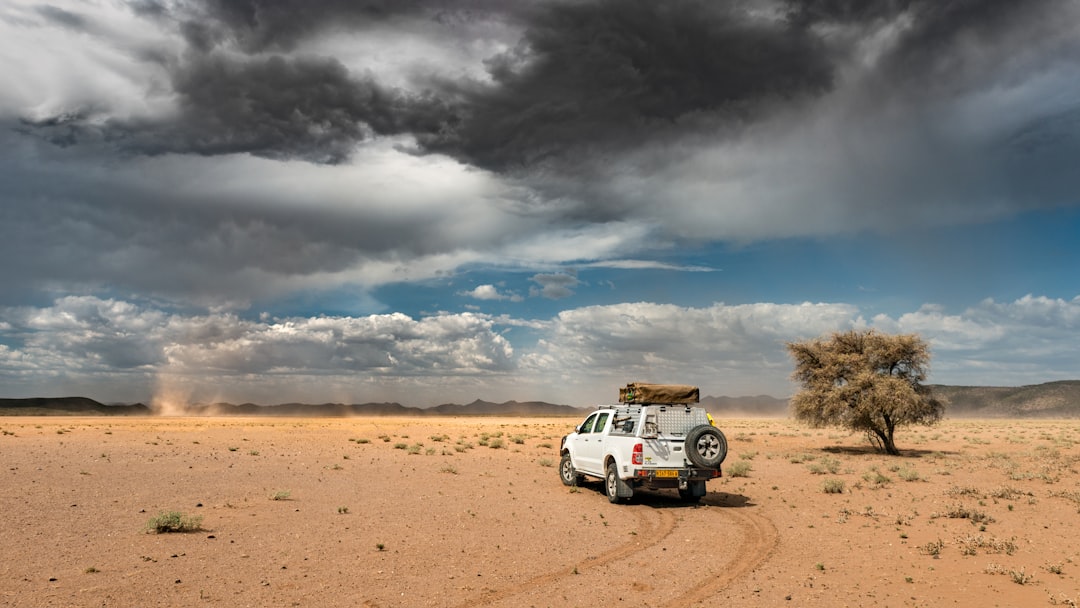
Don’t forget to check the weather forecast before your trip and pack accordingly. Desert storms can be intense and unpredictable, so it’s essential to be prepared for any situation.
Staying Safe in the Desert
Desert camping can be a thrilling adventure, but it’s not without its risks. The desert environment is home to a variety of hazards, including extreme temperatures, venomous animals, and limited access to medical care. To stay safe, follow these expert tips:
By taking the necessary precautions and being mindful of your surroundings, you can minimize the risks associated with desert camping and enjoy a safe and memorable experience.
Desert Camping Activities and Experiences
Desert camping offers a wide range of activities and experiences, from hiking and rock climbing to stargazing and wildlife watching. Some popular activities include:
Whether you’re a seasoned adventurer or just starting to explore the great outdoors, desert camping has something to offer everyone. With its unique landscape, diverse wildlife, and wide range of activities, it’s an experience you’ll never forget.
Conclusion and Key Takeaways
Desert camping is a unique and exhilarating experience that offers a chance to connect with nature and challenge yourself in a beautiful and unforgiving environment. By choosing the right destination, packing the essential gear, and following expert safety tips, you can ensure a safe and memorable adventure under the starry desert sky. Remember to respect the environment, stay hydrated, and be aware of your surroundings, and you’ll be well on your way to a desert camping experience you’ll never forget. Key takeaways include:
With its stunning natural beauty, unique wildlife, and wide range of outdoor activities, desert camping is an adventure that’s sure to leave you in awe. So why not start planning your next desert camping trip today, and experience the thrill of sleeping under the stars in one of the most beautiful and unforgiving environments on earth?