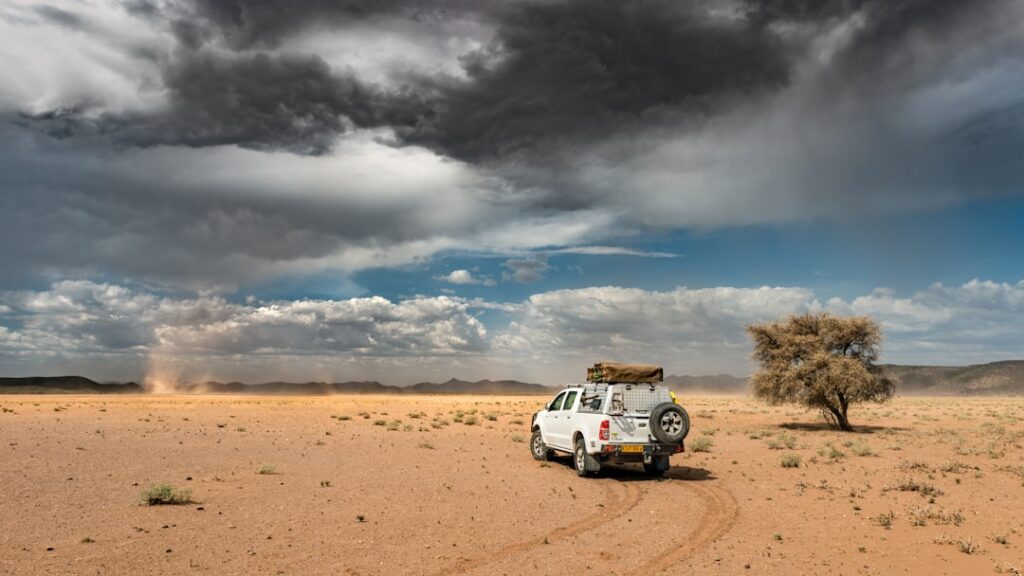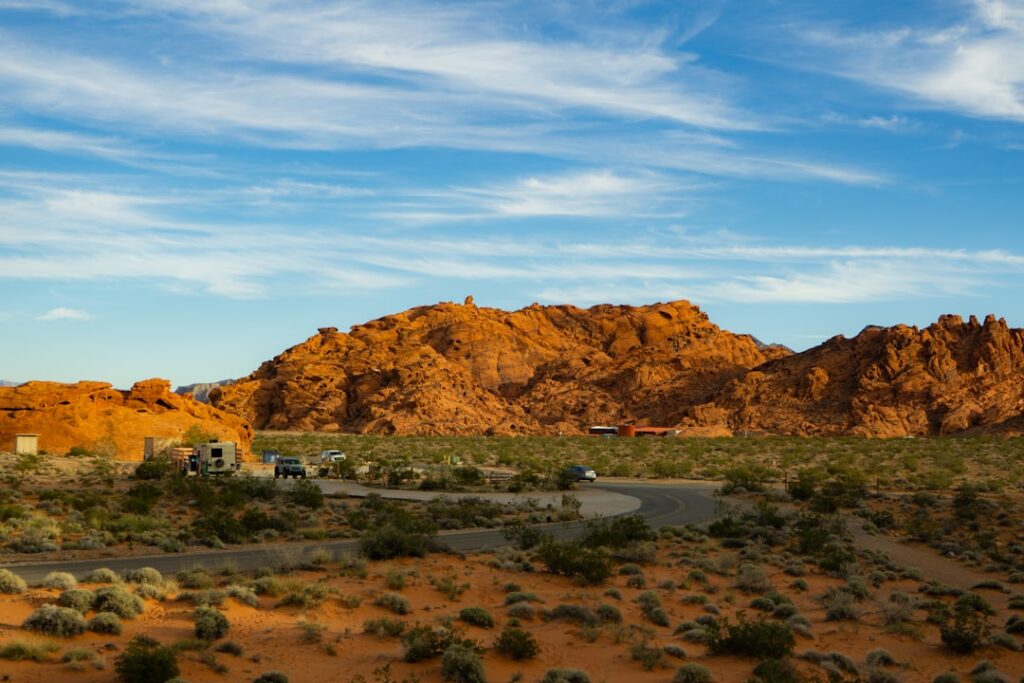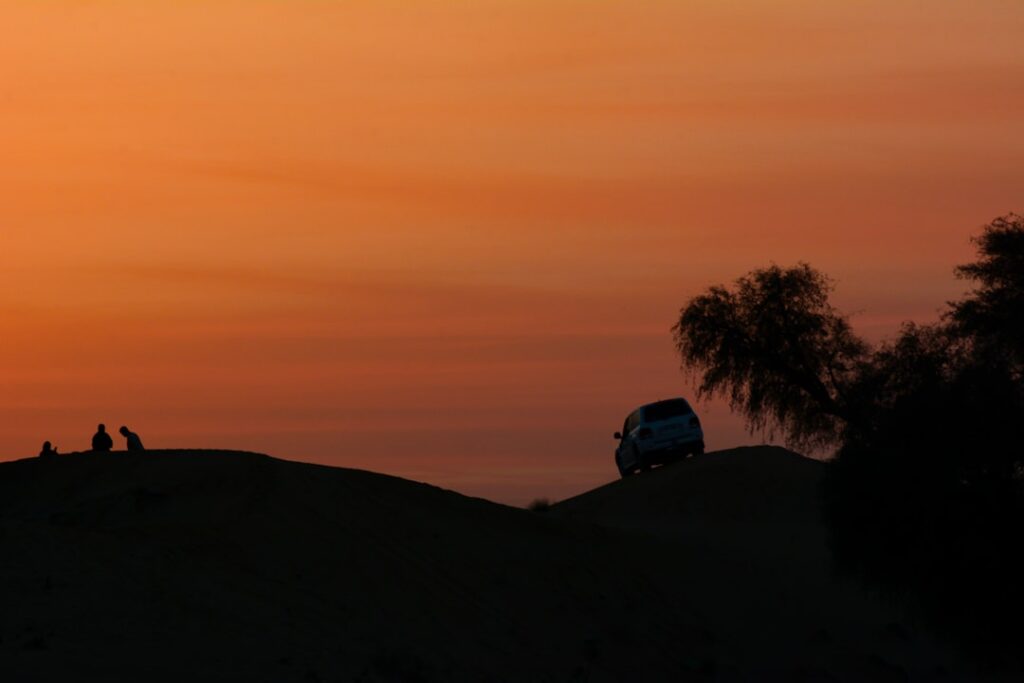
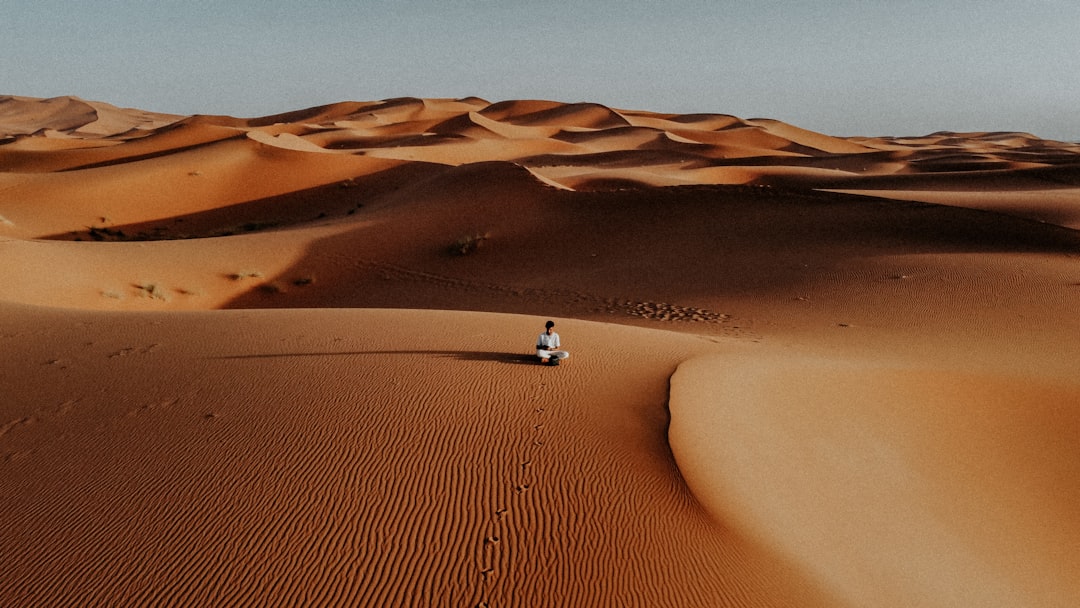
As the sun dips below the horizon, casting a warm orange glow over the vast expanse of sand dunes, you can’t help but feel a sense of awe and wonder. The desert, with its unique landscape and unforgiving climate, is a destination like no other. For adventure-seekers and nature lovers, desert camping is an experience that promises to be etched in their memories forever. From the majestic Joshua Tree National Park in California to the surreal sandstone formations of Utah’s Zion National Park, the American West is home to some of the most breathtaking desert landscapes. In this article, we’ll delve into the world of desert camping, exploring the best destinations, essential gear, and expert tips to ensure a safe and unforgettable journey under the starry desert sky.
Choosing the Perfect Desert Camping Destination
When it comes to desert camping, the United States offers a diverse range of options, each with its unique charm and attractions. For beginners, California’s Joshua Tree National Park is an ideal starting point, with its well-marked trails, scenic campsites, and stunning rock formations. More experienced campers may prefer the rugged beauty of Arizona’s Monument Valley, with its iconic sandstone towers and Navajo Indian reservations. Utah’s Moab area is another popular destination, boasting an array of camping options, from primitive sites to luxurious RV resorts. Before selecting a destination, consider factors such as accessibility, climate, and available amenities to ensure a comfortable and enjoyable experience. Be sure to research the best time to visit, as desert temperatures can soar during the summer months, and winter nights can be chilly. Some popular desert camping destinations include:
- Joshua Tree National Park, California
- Monument Valley, Arizona
- Moab, Utah
- Big Bend National Park, Texas
- Death Valley National Park, California
- Tent and sleeping bag: A sturdy, waterproof tent and a warm sleeping bag are crucial for withstanding harsh desert winds and cold nights.
- Water and hydration gear: Bring plenty of water, at least one gallon per person per day, and consider a water filtration system or purification tablets as a backup.
- Sun protection: Pack sunscreen, sunglasses, and a hat to shield yourself from the scorching desert sun.
- First aid kit: A well-stocked first aid kit should include supplies for treating minor injuries, such as cuts, scrapes, and burns.
- Navigation tools: A map, compass, and GPS device or smartphone with a GPS app will help you navigate the vast desert landscape.
- Food and cooking gear: Bring non-perishable food, a camping stove or portable grill, and a cooler to store perishable items.
- Check the weather forecast: Before heading out, check the weather forecast to avoid unexpected sandstorms or heatwaves.
- Bring a buddy: Always camp with a partner or group, and make sure someone knows your itinerary and expected return time.
- Respect the environment: Follow Leave No Trace principles, and avoid disturbing the natural habitat or wildlife.
- Stay hydrated: Drink plenty of water throughout the day, and avoid hiking during the hottest part of the day (usually between 11am and 3pm).
- Be prepared for emergencies: Know what to do in case of a snake bite, heat exhaustion, or other common desert hazards.
- Stargazing: The desert offers some of the darkest skies in the country, making it an ideal spot for stargazing and astronomy.
- Hiking and backpacking: Explore the vast network of trails, from easy day hikes to multi-day backpacking trips.
- Wildlife watching: Keep an eye out for iconic desert species, such as bighorn sheep, coyotes, and rattlesnakes.
- Photography: Capture the breathtaking scenery, unique rock formations, and vibrant sunsets.
- Research and choose a suitable desert camping destination
- Pack essential gear, including a tent, sleeping bag, and water purification system
- Follow safety tips and best practices, such as checking the weather forecast and staying hydrated
- Immerse yourself in the desert experience, exploring the landscape, attending ranger-led programs, and learning about the region’s history and geology.
Essential Gear for Desert Camping
Desert camping requires specialized gear to ensure a safe and comfortable experience. When packing for your trip, don’t forget to include the following essentials:
Safety Tips and Best Practices
Desert camping can be unforgiving, with extreme temperatures, limited access to medical care, and potential encounters with wildlife. To ensure a safe and enjoyable experience, follow these expert tips:
Immersing Yourself in the Desert Experience
Desert camping is not just about setting up a tent and sleeping under the stars; it’s about immersing yourself in the unique culture and natural beauty of the desert. Take time to explore the surrounding landscape, attend a ranger-led program or guided tour, and learn about the region’s rich history and geology. Some popular activities include:
In conclusion, desert camping is an experience like no other, offering a chance to connect with nature, challenge yourself, and create lifelong memories. By choosing the right destination, packing essential gear, and following safety tips and best practices, you’ll be well on your way to an unforgettable adventure under the starry desert sky. Whether you’re a seasoned camper or just starting out, the desert has something to offer everyone. So why not start planning your next desert camping trip today, and discover the magic of the American West? Key takeaways include: