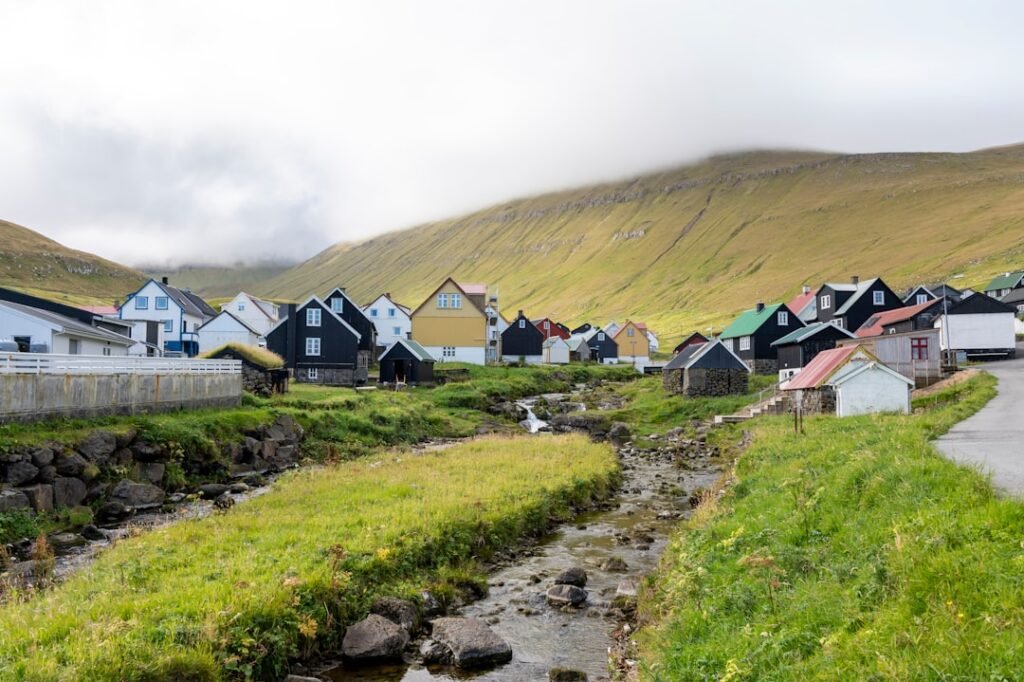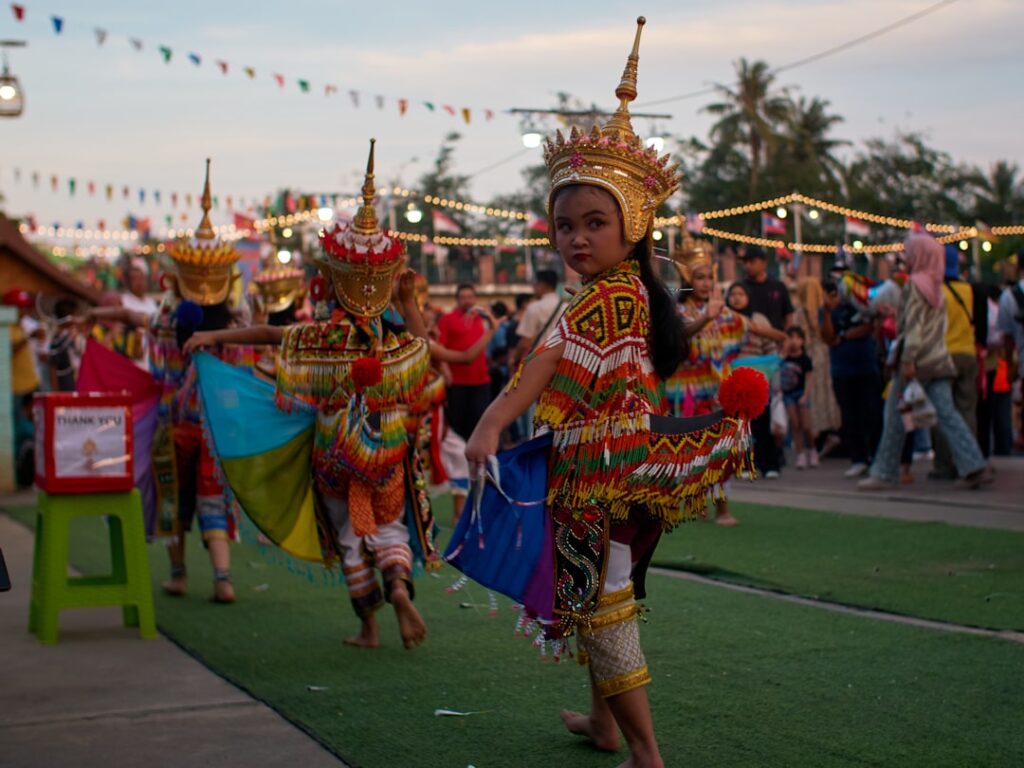

As you step into a cultural village, the air thickens with the scent of traditional cuisine, the sound of folk music echoes through the streets, and the vibrant colors of local handicrafts dance before your eyes. These living museums are a window into the past, offering a unique glimpse into the customs, traditions, and ways of life of communities from around the globe. Whether you’re a curious traveler, a history buff, or simply someone who appreciates the beauty of cultural diversity, cultural villages are a must-visit destination. In this blog post, we’ll embark on a journey to explore some of the most fascinating cultural villages from around the world, and provide you with insider tips on how to make the most of your visit.
Discovering the Charm of Cultural Villages
Cultural villages are more than just tourist attractions – they’re a celebration of human heritage. These villages are often nestled in picturesque landscapes, surrounded by rolling hills, majestic mountains, or serene lakes. As you wander through the narrow streets, you’ll discover a treasure trove of traditional architecture, with houses, temples, and community centers that reflect the unique character of the local culture. From the thatched roof huts of African villages to the wooden stilt houses of Asian communities, each village is a testament to the ingenuity and creativity of its people. To get the most out of your visit, consider staying overnight in a cultural village, where you can immerse yourself in the local way of life, participate in traditional ceremonies, and enjoy home-cooked meals with your host family.
Exploring the World’s Most Famous Cultural Villages
From the rugged landscapes of Scotland to the sun-kissed hills of Tuscany, cultural villages can be found in almost every corner of the globe. Here are some of the most famous cultural villages that you shouldn’t miss:
- The Scottish Highland Village: Located in the heart of Scotland, this village is a recreation of a 17th-century Highland community, complete with thatched roof cottages, a village hall, and a historic church.
- The Amish Village: Nestled in the rolling hills of Pennsylvania, this village offers a glimpse into the simple, rustic life of the Amish people, with its horse-drawn carriages, traditional farms, and quaint shops.
- The Maasai Cultural Village: Situated in the shadow of Mount Kilimanjaro, this village is home to the Maasai people, one of Africa’s most iconic tribes, known for their vibrant beadwork, traditional dancing, and rich storytelling.
- The Hmong Village: Perched on the hills of northern Thailand, this village is a showcase of Hmong culture, with its colorful textiles, traditional music, and delicious cuisine.
- Plan ahead: Research the village and its customs before your visit, and plan your itinerary according to the local schedule and events.
- Be respectful: Dress modestly, remove your shoes when required, and avoid taking photos of people without their permission.
- Engage with the community: Participate in workshops, attend cultural performances, and try local cuisine to get a deeper understanding of the community.
- Support local economy: Buy handicrafts, try local food, and stay in village-run accommodations to support the local economy and contribute to the village’s sustainability.
When visiting these villages, be sure to respect local customs and traditions, and engage with the community by attending workshops, festivals, or cultural events.
Insider Tips for Visiting Cultural Villages
To make the most of your cultural village experience, here are some insider tips to keep in mind:
By following these tips, you’ll not only have a more authentic experience but also contribute to the preservation of cultural heritage and the well-being of the community.
Preserving Cultural Heritage for Future Generations
Cultural villages are not just a relic of the past; they’re a living, breathing entity that requires careful preservation and protection. As we visit these villages, we have a responsibility to respect and appreciate the cultural heritage that they represent. By supporting local communities, participating in cultural events, and promoting sustainable tourism practices, we can help ensure the long-term preservation of these cultural treasures. Moreover, cultural villages can serve as a powerful tool for education, cultural exchange, and community development, providing a platform for people to come together, share their stories, and learn from each other.
In conclusion, cultural villages are a window into the rich tapestry of human experience, offering a unique opportunity to explore, learn, and appreciate the diversity of cultures from around the world. By visiting these villages, we can gain a deeper understanding of the customs, traditions, and ways of life of communities from different parts of the globe. Whether you’re a seasoned traveler or just starting to explore the world, cultural villages are a must-visit destination that will leave you with unforgettable memories, a broader perspective, and a deeper appreciation for the beauty of cultural diversity. So pack your bags, grab your camera, and get ready to embark on a journey of discovery and wonder – the world’s most fascinating cultural villages await!