As a travel enthusiast and foodie, have you ever found yourself wandering through a bustling market or sitting down at a quaint café, surrounded by the most mouth-watering dishes, and thought, “I wish I could capture the essence of this culinary experience and share it with the world?” Food photography while traveling is an art form that requires a combination of technical skills, creativity, and attention to detail. In this comprehensive guide, we’ll delve into the world of food photography, providing you with valuable tips, tricks, and techniques to take your travel food photography to the next level.
Understanding the Basics of Food Photography
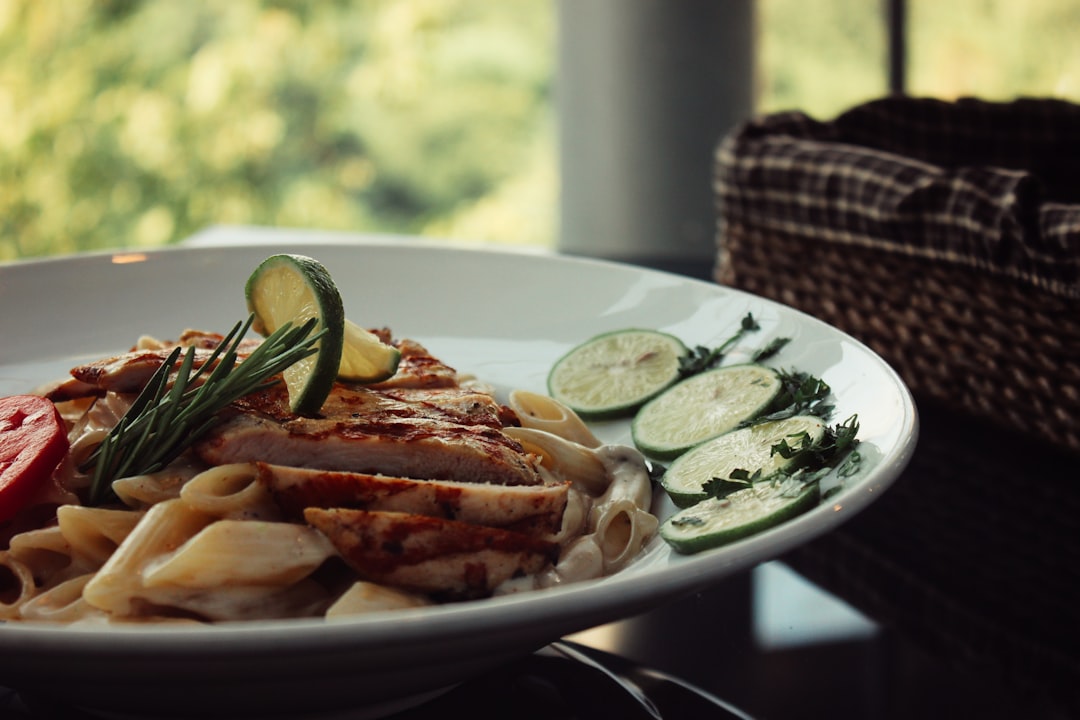
Before we dive into the specifics of travel food photography, it’s essential to understand the basics of food photography. Good food photography is not just about pointing your camera at a dish and clicking the shutter. It’s about telling a story, evoking emotions, and making the viewer’s mouth water. To achieve this, you’ll need to consider the following key elements: lighting, composition, and styling. Natural light is always the best option when it comes to food photography, so try to position yourself near a window or outside during the golden hour. When it comes to composition, experiment with different angles, and don’t be afraid to get creative with your shots. Finally, styling is all about adding context and depth to your image, so consider adding props, garnishes, or backgrounds that complement the dish.
Capturing the Local Cuisine
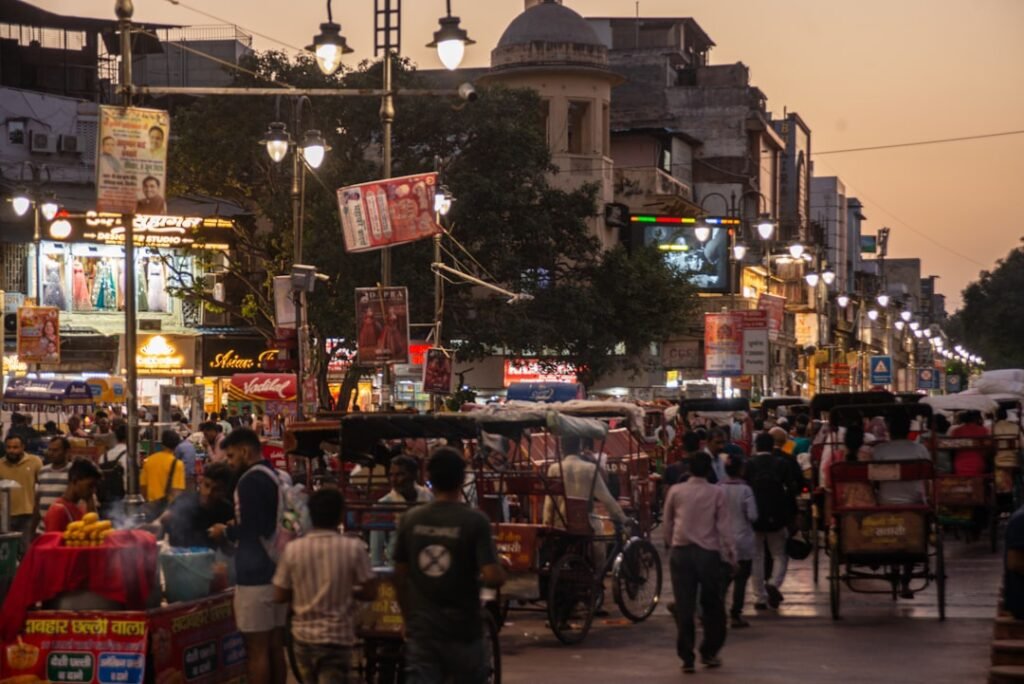
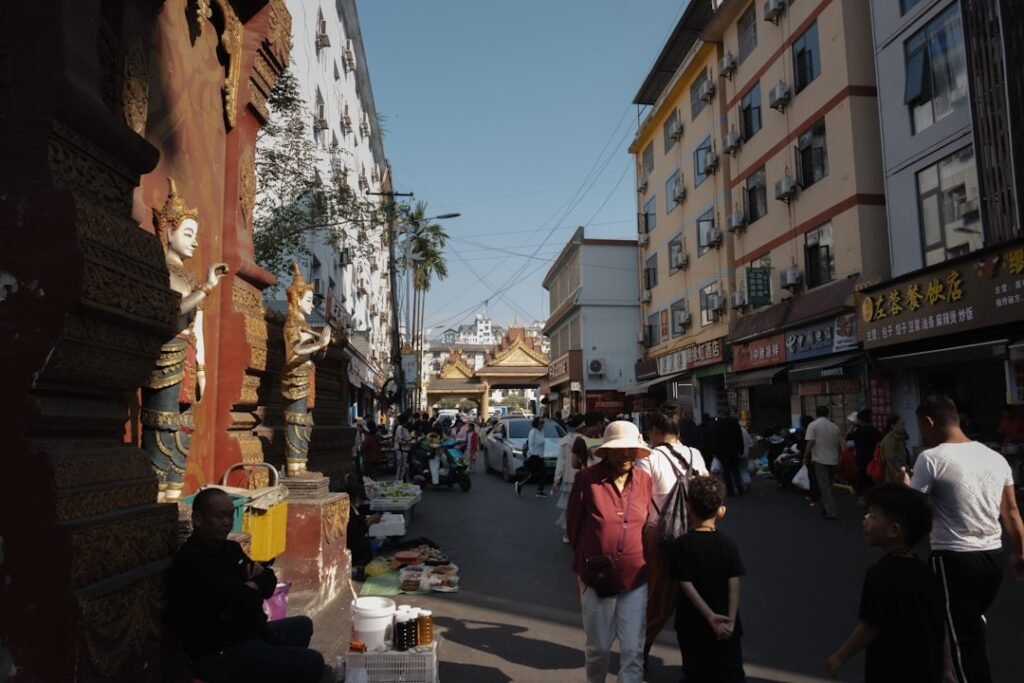
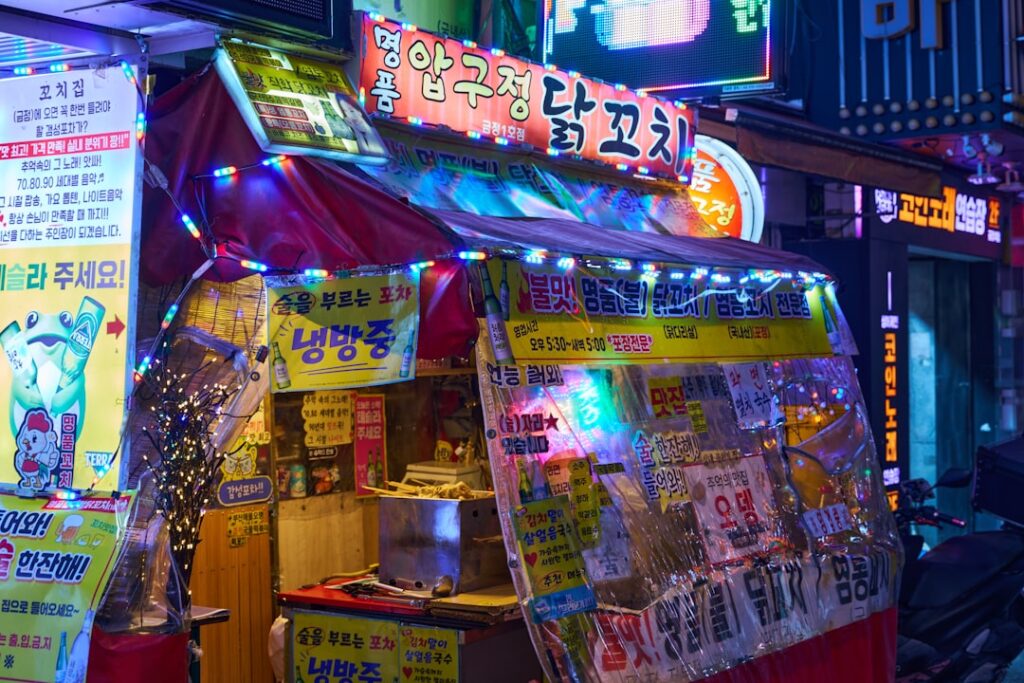
When traveling, one of the most exciting aspects of food photography is capturing the local cuisine. From street food to high-end restaurants, each destination offers a unique culinary experience that’s waiting to be documented. To make the most of your food photography adventures, research the local specialties and popular eateries before arriving at your destination. This will give you an idea of what to expect and help you plan your shoots in advance. When photographing local dishes, be respectful of the culture and traditions surrounding the food. Take the time to learn about the ingredients, cooking methods, and history behind each dish, and try to incorporate these elements into your shots. For example, if you’re photographing a traditional Japanese sushi roll, consider including a shot of the chef preparing the dish or a close-up of the fresh ingredients used.
Editing and Post-Processing
Once you’ve captured your stunning food photos, it’s time to edit and post-process them. Editing is an essential step in food photography, as it can make or break the final image. When editing your photos, consider the following key elements: color correction, exposure adjustment, and sharpening. Color correction is crucial in food photography, as it can greatly impact the overall mood and atmosphere of the image. Adjust the white balance, saturation, and contrast to create a natural and appealing color palette. Exposure adjustment is also vital, as it can help to balance the lighting and create a more even tone. Finally, sharpening can help to add depth and texture to your image, making it more engaging and visually appealing. When it comes to post-processing, consider using photo editing software like Adobe Lightroom or Photoshop to enhance your images.
Sharing Your Food Photography on Social Media
In today’s digital age, social media plays a significant role in food photography. Platforms like Instagram, Facebook, and Pinterest offer a vast audience and a range of tools to help you share your food photography with the world. When sharing your photos on social media, consider using relevant hashtags like #foodphotography, #travelphotography, or #foodie to increase your visibility and reach a wider audience. You can also engage with other food photographers and bloggers by commenting, liking, and sharing their content. Additionally, consider creating a blog or website to showcase your food photography and share your stories, tips, and experiences with your audience. By building a community around your food photography, you can gain feedback, inspiration, and motivation to continue improving your craft.
Conclusion and Key Takeaways
Capturing the flavors of the world through food photography while traveling is a rewarding and creative experience that requires practice, patience, and dedication. By understanding the basics of food photography, capturing the local cuisine, editing and post-processing, and sharing your photos on social media, you can take your travel food photography to new heights. Remember to always be respectful of the culture and traditions surrounding the food, and don’t be afraid to experiment and try new things. With these tips and techniques, you’ll be well on your way to creating stunning food photos that will inspire and delight your audience. So, next time you’re traveling, don’t forget to bring your camera and capture the flavors of the world, one dish at a time. Key takeaways include:
- Understand the basics of food photography, including lighting, composition, and styling
- Research the local cuisine and popular eateries before arriving at your destination
- Edit and post-process your photos to enhance the color, exposure, and texture
- Share your food photography on social media using relevant hashtags and engage with other photographers and bloggers
- Build a community around your food photography to gain feedback, inspiration, and motivation.