
India, a land of diverse cultures, rich history, and breathtaking architecture, is home to some of the world’s most fascinating heritage sites. From the majestic Taj Mahal to the ancient temples of Khajuraho, these sites are a testament to the country’s glorious past and its ability to inspire wonder and awe in visitors from around the globe. In this blog post, we’ll embark on a journey to explore some of India’s most famous heritage sites, delving into their history, significance, and what makes them a must-visit destination for anyone interested in history, architecture, and culture.
Introduction to India’s Heritage Sites: A Legacy of the Past
India’s heritage sites are a reflection of its complex and varied history, with each site telling a unique story of the country’s evolution over time. The Indian subcontinent has been home to numerous civilizations, empires, and dynasties, each leaving behind its mark on the landscape. From the Indus Valley Civilization to the Mughal Empire, the architectural and cultural legacy of these bygone eras can be seen in the numerous monuments, temples, and palaces that dot the country. These heritage sites not only serve as a window into India’s past but also contribute significantly to its cultural identity and national pride.
Exploring the Iconic Heritage Sites of India
India is home to a staggering array of heritage sites, each with its own distinct character and historical significance. Some of the most famous among these include:
- The Taj Mahal: Often considered the epitome of love and beauty, the Taj Mahal in Agra is one of the Seven Wonders of the World and a UNESCO World Heritage Site. This marble mausoleum, built by Mughal Emperor Shah Jahan in memory of his wife, is renowned for its exquisite architecture and serene beauty.
- The Red Fort: Another iconic monument in Delhi, the Red Fort, or Lal Qila, showcases the grandeur of the Mughal Empire. This 17th-century fort complex, with its impressive walls and ornate palaces, is a symbol of India’s rich history and a venue for the country’s Independence Day celebrations.
- Khajuraho Temples: Located in Madhya Pradesh, the Khajuraho Group of Monuments is a collection of Hindu and Jain temples famous for their intricate carvings and sculptures. These 10th-century temples are not only a testament to the advanced knowledge of architecture and art in ancient India but also a celebration of human sexuality and the cycle of life.
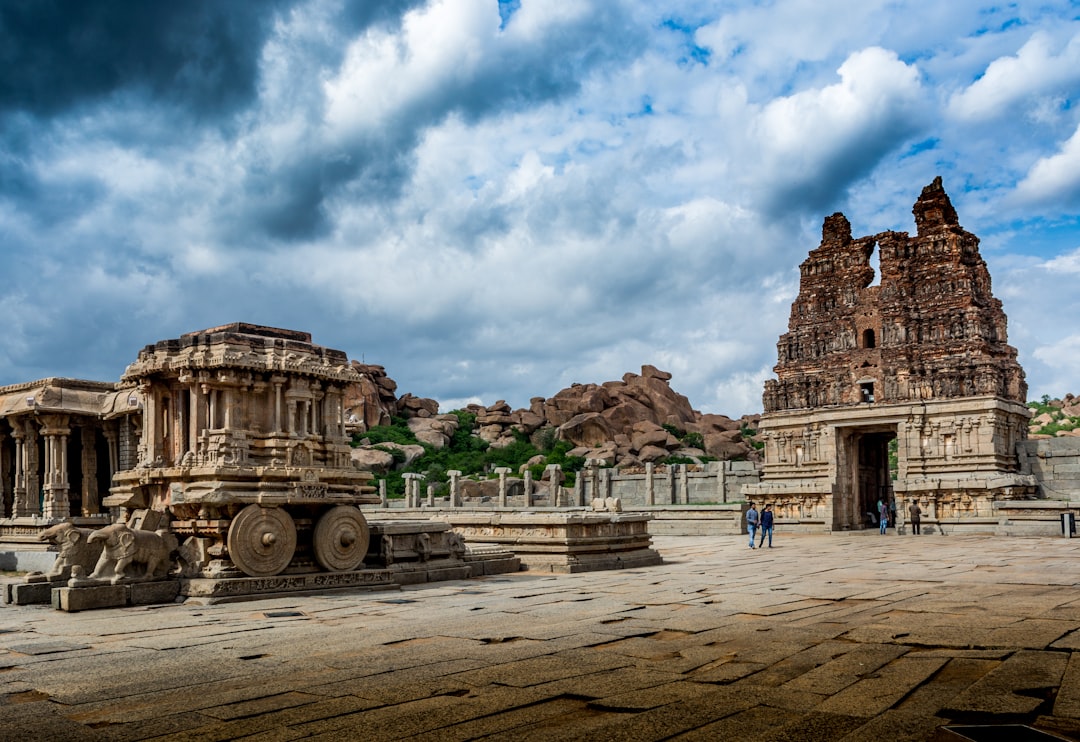
- Hampi: The ancient city of Hampi, once the capital of the Vijayanagara Empire, is a treasure trove of historical monuments and ruins. With its vast expanse of temples, palaces, and market streets, Hampi offers a glimpse into the life and times of one of India’s most powerful empires.
- Goa’s Churches and Convents: The state of Goa, with its unique blend of Indian and Portuguese influences, is home to several historic churches and convents that are recognized as UNESCO World Heritage Sites. The Sé Cathedral, Church of St. Francis of Assisi, and the Basilica of Bom Jesus are notable examples, showcasing the state’s rich cultural heritage.
- Best Time to Visit: The best time to visit most of India’s heritage sites is during the winter months (October to February), when the weather is cooler and more pleasant.
- Ticketing and Entry: Many heritage sites in India offer online ticketing services, which can save visitors a significant amount of time. It’s also advisable to hire a guide to get a deeper understanding of the site’s history and significance.
- Responsible Tourism: Visitors should be mindful of their impact on these historical sites. This includes not touching or damaging the monuments, not littering, and respecting any rules or restrictions in place.
- Combining Heritage with Culture: India’s heritage sites are often nestled within vibrant cities and towns, offering a plethora of cultural experiences. From trying local cuisine to attending cultural festivals, there are numerous ways to immerse oneself in the local culture.
Preserving India’s Heritage for Future Generations
The preservation of India’s heritage sites is crucial not only for maintaining the country’s cultural identity but also for promoting tourism and economic development. The Indian government, in collaboration with international organizations like UNESCO, has been working tirelessly to protect and conserve these sites. Efforts include restoring damaged structures, controlling pollution, and regulating tourism to prevent over-tourism and its adverse effects on the monuments and their surroundings. Visitors also play a significant role in the preservation of these sites by respecting local rules, not littering, and supporting sustainable tourism practices.
Planning Your Visit to India’s Heritage Sites
For those planning to visit India’s famous heritage sites, there are several key considerations to keep in mind:
Conclusion: The Enduring Legacy of India’s Heritage Sites
India’s famous heritage sites are more than just historical monuments; they are gateways to understanding the country’s complex history, its cultural diversity, and its people. Each site, with its unique story and architectural marvel, contributes to the rich tapestry that is India. As we explore and appreciate these heritage sites, we not only honor the past but also ensure that these treasures are preserved for future generations. Whether you’re a history enthusiast, an architecture aficionado, or simply a curious traveler, India’s heritage sites have something to offer everyone. So, embark on this journey through time, and let the timeless charm of India’s heritage sites leave you spellbound and inspired.