
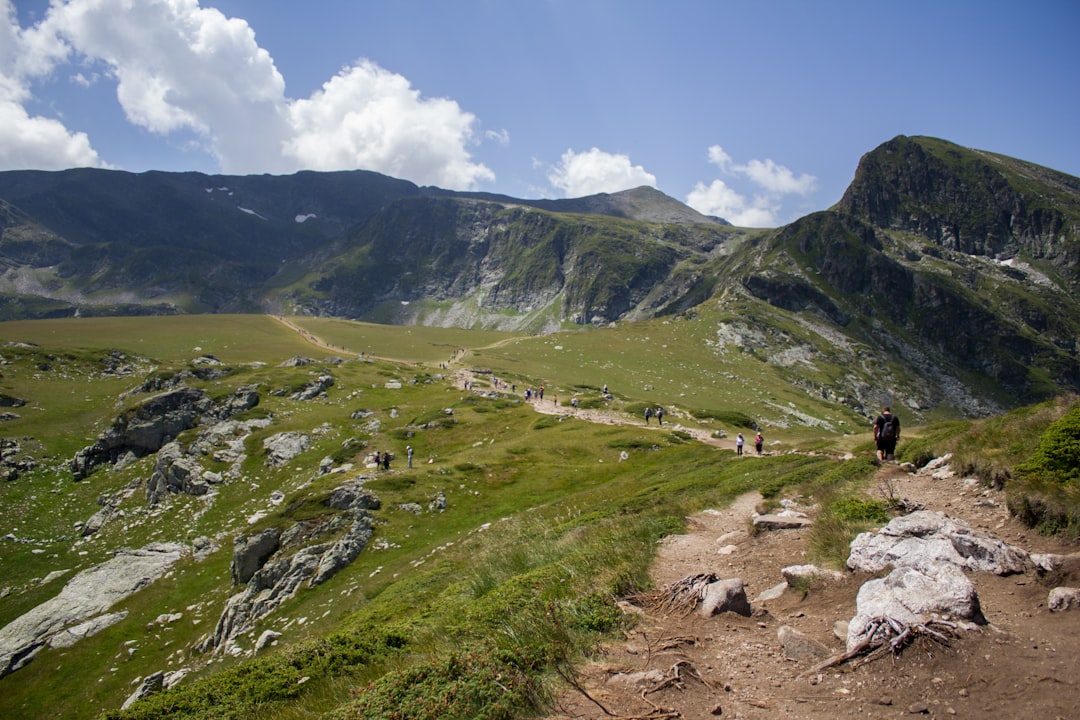
Are you ready to embark on the journey of a lifetime, exploring the vibrant cities, picturesque landscapes, and rich cultural heritage of Europe? Backpacking across this incredible continent is a dream shared by many, but often, the sheer scope and complexity of planning such a trip can be overwhelming. Fear not, fellow traveler, for this guide is designed to empower you with the knowledge, tips, and inspiration needed to turn your European backpacking adventure into a reality.
Planning Your Itinerary: A Balance of Spontaneity and Strategy
Before you set off, it’s essential to have a rough plan in place. This doesn’t mean you need to book every hostel and train ticket months in advance, but having a general idea of your route and the places you want to visit will help you make the most of your time. Consider what time of year you’re traveling and how that might impact your plans. For instance, if you’re looking to avoid the crowds, consider visiting popular destinations during the shoulder season (April to May or September to October). On the other hand, if you’re on a tight budget, look into visiting cities during the off-season when prices for accommodations and tourist attractions are lower.
When planning your itinerary, think about the type of experiences you’re looking for. Are you interested in history and architecture, or perhaps more drawn to vibrant nightlife and local cuisine? Europe offers a diverse range of experiences, from the ancient ruins of Rome and Greece to the modern art museums of Berlin and the gastronomic delights of Paris. Use online resources and travel blogs to research your destinations and get insider tips on the best places to visit, eat, and stay.
Packing Smart: The Art of Traveling Light
One of the most critical aspects of backpacking is, of course, your backpack. The key to traveling comfortably and efficiently is to pack smart. This means bringing only the essentials and avoiding overpacking, which can lead to unnecessary stress and fatigue. Start with a sturdy, comfortable backpack that fits your body well, and then consider what you really need. A good rule of thumb is to pack clothes that can be mixed and matched to create multiple outfits, and don’t forget to include a few versatile accessories like a scarf or a hat that can add a pop of color to any outfit.
In addition to clothing, think about the gear you’ll need for your journey. A portable charger for your phone, a travel adapter for charging your devices, and a water bottle are all must-haves. If you plan on hiking or engaging in outdoor activities, consider packing a lightweight tent, a sleeping bag, and appropriate hiking gear. Remember, you can always purchase items you need along the way, so don’t feel like you need to bring everything from home.
Navigating Europe: Transportation and Accommodation
Europe has a well-developed transportation network, making it easy to get from one place to another. For longer distances, consider budget airlines or trains, which often offer affordable prices and scenic routes. For shorter distances, buses and local trains are convenient and can be a cost-effective way to travel. If you’re planning to visit multiple countries, look into purchasing a Eurail pass, which can provide significant savings on train travel.
When it comes to accommodation, you have a wide range of options, from budget-friendly hostels to luxury hotels. Hostels are a great way to meet fellow travelers and can often provide valuable advice and insider tips on the local area. Booking in advance can help you secure the best prices, especially during peak travel seasons. Websites like Hostelworld and Booking.com are great resources for finding and booking accommodations that fit your budget and preferences.
Staying Safe and Healthy on the Road
As with any form of travel, safety and health should be your top priorities. Always be aware of your surroundings, especially in crowded areas or at night. Keep your valuables secure and consider using a money belt or a secure bag to protect your belongings. In terms of health, make sure you have any necessary vaccinations before you leave, and pack a small first-aid kit with essentials like pain relievers, band-aids, and any personal medications.
Staying connected is also important, both for safety and for staying in touch with loved ones back home. Consider purchasing a local SIM card or a portable Wi-Fi hotspot to ensure you have access to the internet and can make calls or send messages if needed. Finally, don’t underestimate the importance of taking breaks and practicing self-care. Backpacking can be physically and mentally demanding, so make sure to give yourself time to rest, reflect, and recharge.
Conclusion: Embarking on Your European Adventure
Backpacking across Europe is a journey that promises adventure, discovery, and unforgettable experiences. By planning your itinerary thoughtfully, packing smart, navigating Europe’s transportation and accommodation options with ease, and prioritizing your safety and health, you’ll be well on your way to creating memories that will last a lifetime. Remember, the beauty of backpacking lies in its flexibility and spontaneity, so don’t be afraid to veer off the beaten path, try new things, and embrace the unknown. With the right mindset and preparation, your European backpacking adventure will be an experience you’ll cherish forever. So, pack your bags, grab your passport, and get ready to unleash the adventurer within you.