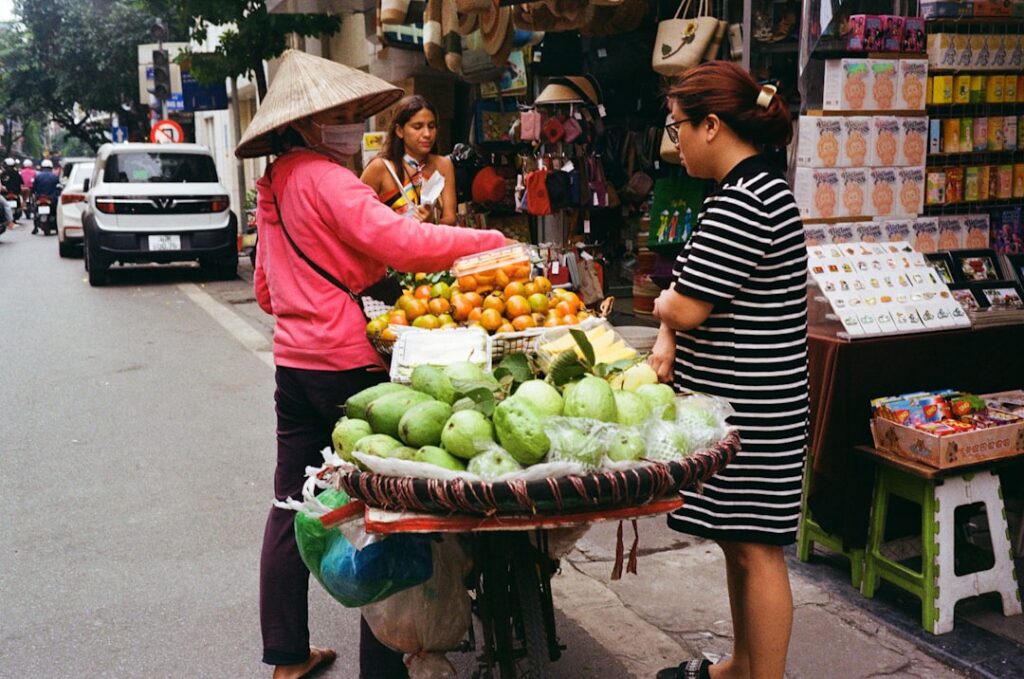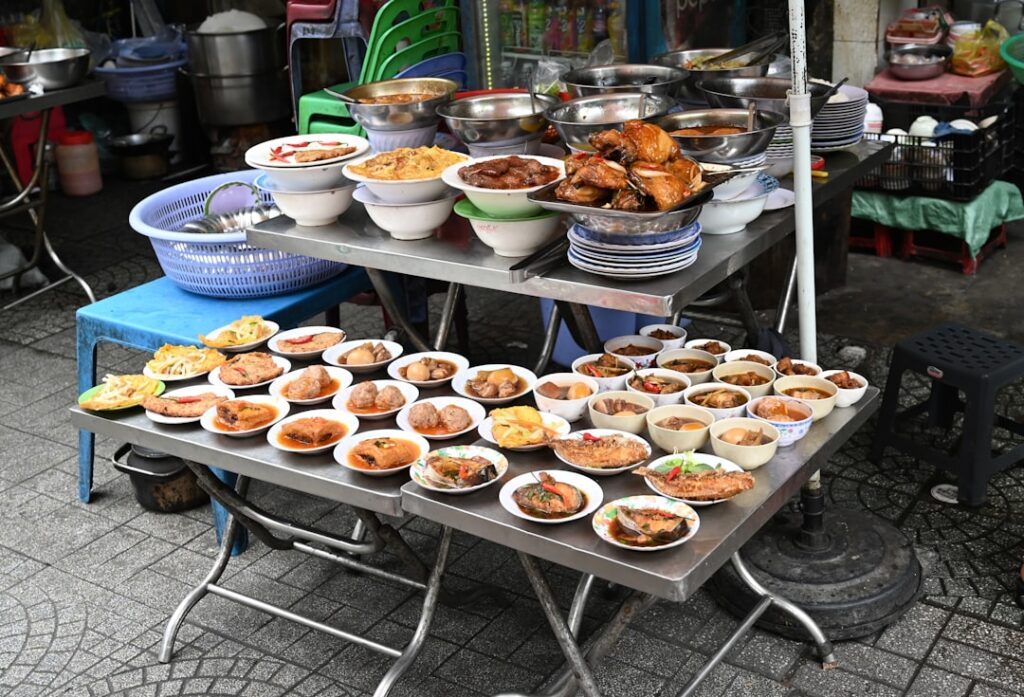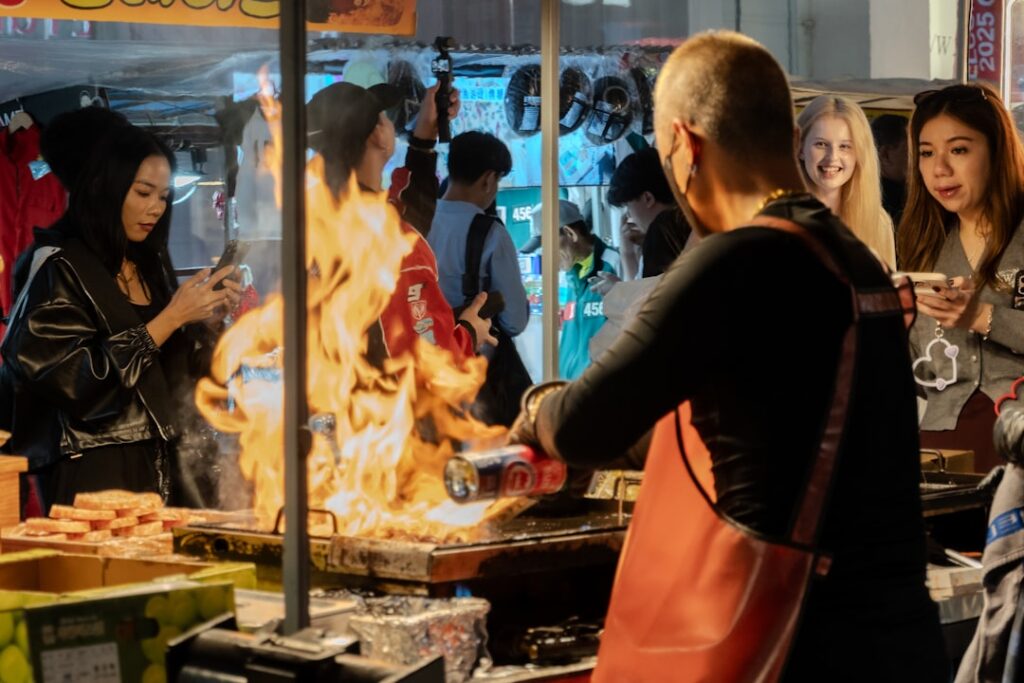
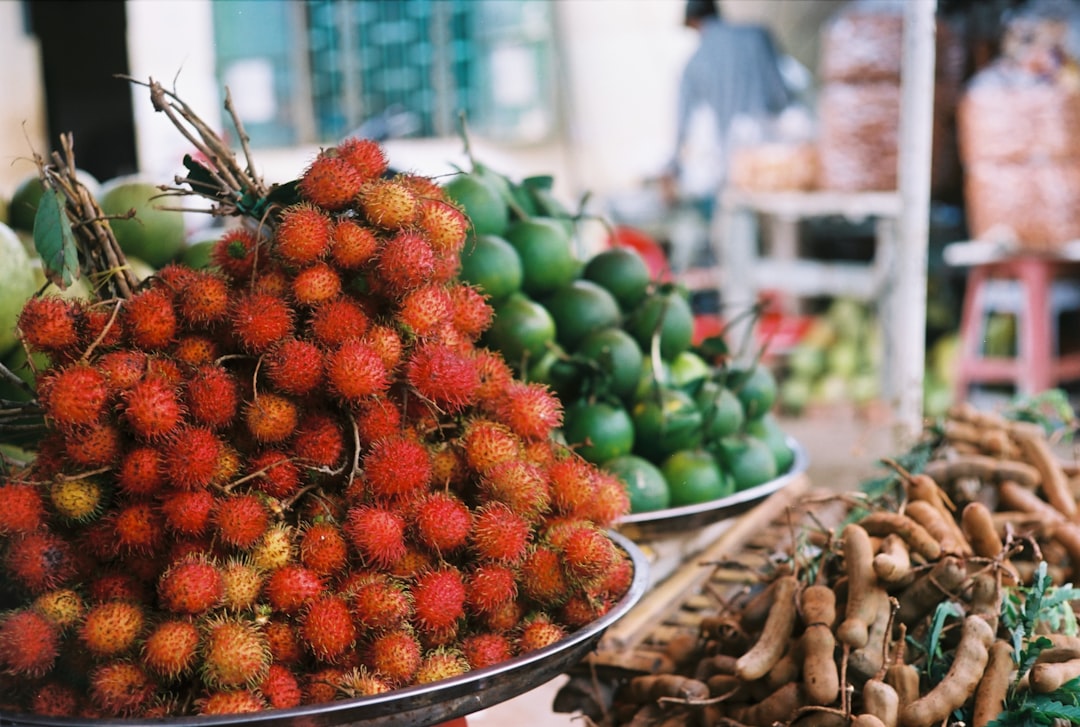
As the world’s largest and most populous continent, Asia is a treasure trove of diverse cultures, rich history, and mouth-watering cuisine. From the spicy kick of Korean kimchi to the fragrant aromas of Indian curries, Asian food is a symphony of flavors that will leave your taste buds dancing. Whether you’re a foodie, a travel enthusiast, or simply a curious explorer, Asia’s local cuisines are a must-try. In this blog post, we’ll take you on a culinary journey through the continent’s best local cuisines, highlighting the must-try dishes, ingredients, and cooking techniques that make each region unique.
Introduction to Asian Cuisine
Asian cuisine is a broad term that encompasses a wide range of cooking styles, ingredients, and flavors. From the delicate sushi rolls of Japan to the hearty noodle soups of Vietnam, each country in Asia has its own unique culinary identity. Asian cuisine is often characterized by the use of fresh ingredients, bold spices, and various cooking techniques such as stir-frying, steaming, and grilling. With a focus on balance, harmony, and community, Asian cuisine is not just about the food, but also about the cultural and social context in which it is prepared and shared. Whether you’re exploring the street food scene in Bangkok or dining at a high-end restaurant in Tokyo, Asian cuisine is sure to delight your senses and leave you wanting more.
Exploring Regional Cuisines
Asia is home to many distinct regional cuisines, each with its own unique flavor profiles and cooking techniques. Here are a few of the most notable ones:
- Chinese Cuisine: Chinese food is one of the most popular and influential cuisines in the world. With a history dating back over 3,000 years, Chinese cuisine is known for its diverse regional styles, including Sichuan, Cantonese, and Beijing cuisine. Must-try dishes include Peking duck, Xiaolongbao, and hot pot.
- Japanese Cuisine: Japanese food is renowned for its emphasis on fresh ingredients, seasonality, and simple preparation methods. Popular dishes include sushi, ramen, and tempura, while ingredients like soy sauce, wasabi, and miso paste add depth and umami flavor to many Japanese dishes.
- Korean Cuisine: Korean food is a fusion of traditional and modern flavors, with a focus on bold spices, fermented ingredients, and communal eating. Must-try dishes include bibimbap, bulgogi, and kimchi stew, while ingredients like gochujang and doenjang add a spicy kick to many Korean dishes.
- Southeast Asian Cuisine: Southeast Asian food is a vibrant and aromatic blend of Thai, Vietnamese, Indonesian, and Malaysian cuisines. Popular dishes include pad thai, pho, and nasi goreng, while ingredients like fish sauce, lime juice, and chili peppers add brightness and heat to many Southeast Asian dishes.
- Stir-Frying: Stir-frying is a quick and versatile cooking technique that involves stir-frying ingredients in a wok or large skillet. This technique is commonly used in Chinese, Japanese, and Korean cuisine.
- Fermentation: Fermentation is a process that involves allowing ingredients to break down naturally, resulting in a deeper, more complex flavor. Fermented ingredients like kimchi, miso, and fish sauce are staples in many Asian cuisines.
- Rice and Noodles: Rice and noodles are staples in many Asian cuisines, serving as a base for a wide range of dishes. From Japanese sushi rice to Vietnamese pho noodles, these ingredients are incredibly versatile and delicious.
- Spices and Herbs: Asian cuisine is known for its bold use of spices and herbs, which add depth and aroma to many dishes. Popular spices and herbs include ginger, garlic, chili peppers, and lemongrass, while ingredients like soy sauce and fish sauce add a salty, umami flavor to many dishes.
- Respect for Elders: In many Asian cultures, respect for elders is deeply ingrained. When dining with older individuals, it’s customary to show respect by using polite language, waiting for them to start eating, and not finishing a meal completely.
- Communal Eating: Communal eating is a common practice in many Asian cultures, where food is shared and enjoyed with others. This practice fosters a sense of community and social bonding, and is an important part of many Asian cultures.
- Food as Gift: In many Asian cultures, food is considered a gift, and is often used as a symbol of hospitality and generosity. When receiving food as a gift, it’s customary to show appreciation and gratitude, and to reciprocate with a gift of your own.
Cooking Techniques and Ingredients
Asian cuisine is known for its diverse cooking techniques and ingredients, which vary greatly from region to region. Here are a few key techniques and ingredients to know:
Dining Etiquette and Cultural Significance
Asian cuisine is not just about the food, but also about the cultural and social context in which it is prepared and shared. Here are a few tips for dining etiquette and cultural significance:
In conclusion, Asian cuisine is a rich and diverse culinary landscape that offers something for everyone. From the spicy kick of Korean kimchi to the delicate aromas of Indian curries, Asian food is a symphony of flavors that will leave your taste buds dancing. By exploring regional cuisines, cooking techniques, and ingredients, you’ll gain a deeper appreciation for the cultural and social significance of Asian cuisine. Whether you’re a foodie, a travel enthusiast, or simply a curious explorer, Asia’s local cuisines are a must-try. So why not embark on a culinary journey through Asia, and discover the flavors and traditions that make this continent so unique and delicious? With its emphasis on balance, harmony, and community, Asian cuisine is sure to delight your senses and leave you wanting more.