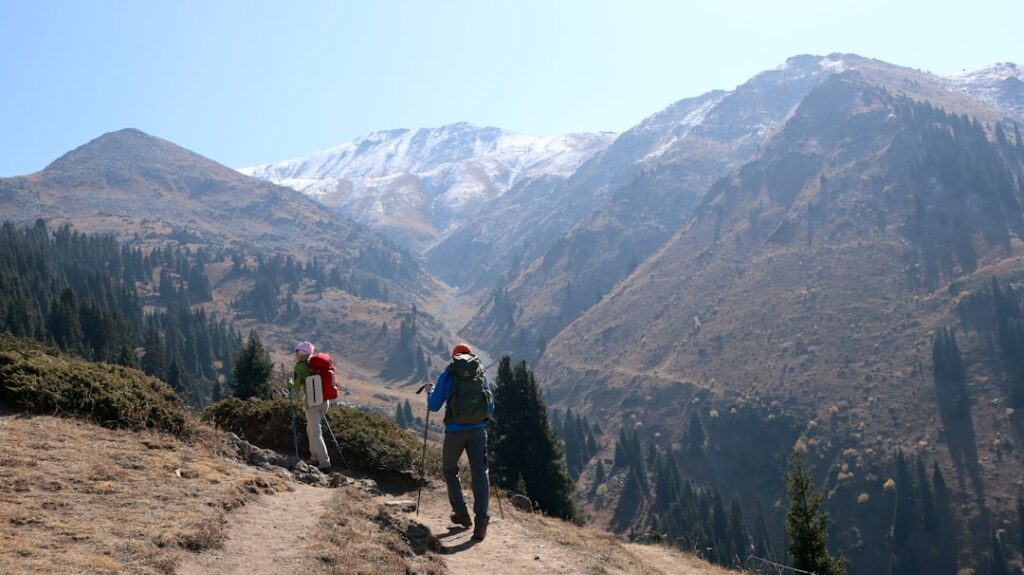
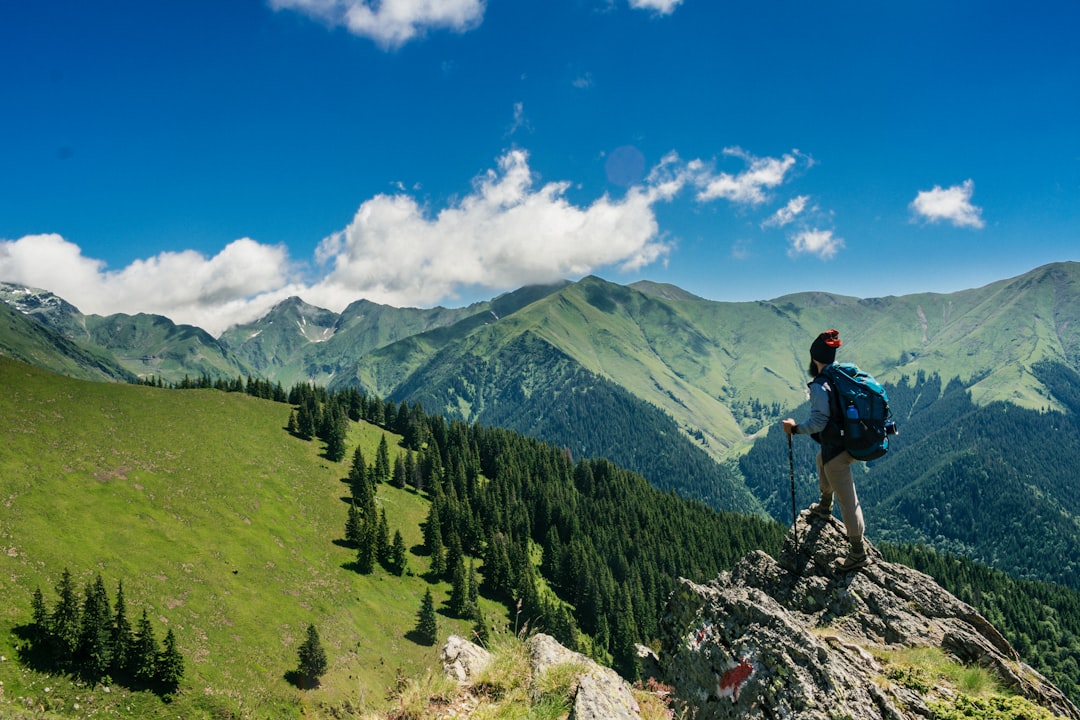
Are you ready to push your limits, challenge your senses, and connect with nature in a way that will leave you breathless? Mountain trekking is an exhilarating adventure that offers a unique blend of physical exercise, mental toughness, and spiritual rejuvenation. From the majestic Himalayas to the rugged Rockies, the world’s most iconic mountain ranges beckon trekkers to explore their grandeur, diversity, and beauty. In this comprehensive guide, we’ll delve into the world of mountain trekking, exploring the best destinations, essential gear, and expert tips to ensure an unforgettable experience.
Planning Your Mountain Trekking Adventure
Before you embark on your mountain trekking journey, it’s essential to plan carefully, considering factors such as the time of year, weather conditions, and physical demands of the trek. Research your destination thoroughly, taking into account the terrain, altitude, and potential hazards such as landslides, avalanches, or inclement weather. The best time for mountain trekking varies depending on the location, but generally, spring and autumn offer the most favorable conditions, with mild temperatures and clear skies. For example, the Himalayas are best trekked during the spring (March to May) and autumn (September to November), while the Rockies are ideal during the summer months (June to August).
When planning your itinerary, be sure to include rest days, allowing your body to acclimate to the high altitude and reducing the risk of altitude sickness. It’s also crucial to pack the right gear, including sturdy hiking boots, waterproof clothing, and a first-aid kit. Don’t forget to bring a map, compass, and GPS device or smartphone with a GPS app, to ensure you stay on track. Additionally, consider hiring a local guide or joining a guided tour, especially if you’re new to mountain trekking or unfamiliar with the terrain.
Essential Gear and Equipment for Mountain Trekking
Having the right gear and equipment can make all the difference between a comfortable, enjoyable trek and a miserable, potentially dangerous experience. Here are some essentials to include in your mountain trekking kit:
- Sturdy hiking boots with good tread and ankle support
- Waterproof jacket and pants, as well as a warm hat and gloves
- Insulated sleeping bag and pad, for overnight camping
- First-aid kit, with supplies for treating blisters, wounds, and altitude sickness
- Navigation tools, such as a map, compass, and GPS device or smartphone
- Headlamp or flashlight, with extra batteries
- Water bottle or hydration bladder, with water purification tablets or filter
- Energy-rich snacks, such as trail mix, dried fruits, and jerky
- Personal hygiene items, such as hand sanitizer, biodegradable soap, and toilet paper
- Always trek with a partner or group, and stay within sight of each other
- Inform someone of your itinerary, including your route, expected return time, and emergency contact details
- Bring a personal locator beacon (PLB) or satellite phone, in case of emergency
- Be aware of potential hazards, such as landslides, avalanches, and wildlife
- Stay hydrated, by drinking plenty of water throughout the day
- Take regular breaks, to rest and rehydrate
- Research your destination thoroughly, considering factors such as weather, terrain, and potential hazards
- Pack the right gear, including sturdy hiking boots, waterproof clothing, and a first-aid kit
- Stay safe on the mountain, by being aware of your surroundings, monitoring the weather, and taking regular breaks
- Respect the local environment, by following the principles of Leave No Trace
- Prepare yourself physically and mentally, with a mix of cardiovascular exercises, strength training, and mindfulness practices
- Consider hiring a local guide or joining a guided tour, especially if you’re new to mountain trekking or unfamiliar with the terrain.
It’s also important to consider the weight and bulk of your gear, as you’ll be carrying it for extended periods. Look for lightweight, compact options, and consider sharing gear with your trekking partners to distribute the load.
Staying Safe on the Mountain
Mountain trekking can be a hazardous activity, with risks such as inclement weather, steep terrain, and altitude sickness. To stay safe, it’s essential to be aware of your surroundings, monitor the weather, and take regular breaks to rest and rehydrate. Here are some additional safety tips to keep in mind:
It’s also important to respect the local environment, by following the principles of Leave No Trace, such as disposing of waste properly, minimizing campfire impact, and avoiding sensitive habitats.
Physical and Mental Preparation for Mountain Trekking
Mountain trekking is a physically demanding activity, requiring a good level of cardiovascular fitness, muscular endurance, and mental toughness. To prepare yourself for the challenge, start training at least 2-3 months in advance, with a mix of cardiovascular exercises, such as running, cycling, or swimming, and strength training, focusing on your legs, core, and upper body. It’s also essential to build your endurance, by gradually increasing the duration and intensity of your workouts.
Mental preparation is just as important, as mountain trekking can be a mentally challenging experience, with factors such as fatigue, fear, and uncertainty. To build your mental toughness, practice mindfulness, meditation, and positive self-talk, and focus on setting realistic goals, breaking them down into smaller, achievable tasks. Additionally, consider working with a trekking coach or mentor, to help you develop a personalized training plan and provide support and guidance throughout your journey.
Conclusion and Key Takeaways
Mountain trekking is an unforgettable adventure that offers a unique blend of physical challenge, mental toughness, and spiritual rejuvenation. To ensure a successful and enjoyable experience, it’s essential to plan carefully, pack the right gear, and stay safe on the mountain. Remember to respect the local environment, follow the principles of Leave No Trace, and be mindful of your physical and mental limitations. With the right preparation, mindset, and support, you’ll be ready to conquer the peaks and experience the thrill of mountain trekking.
Key takeaways: