
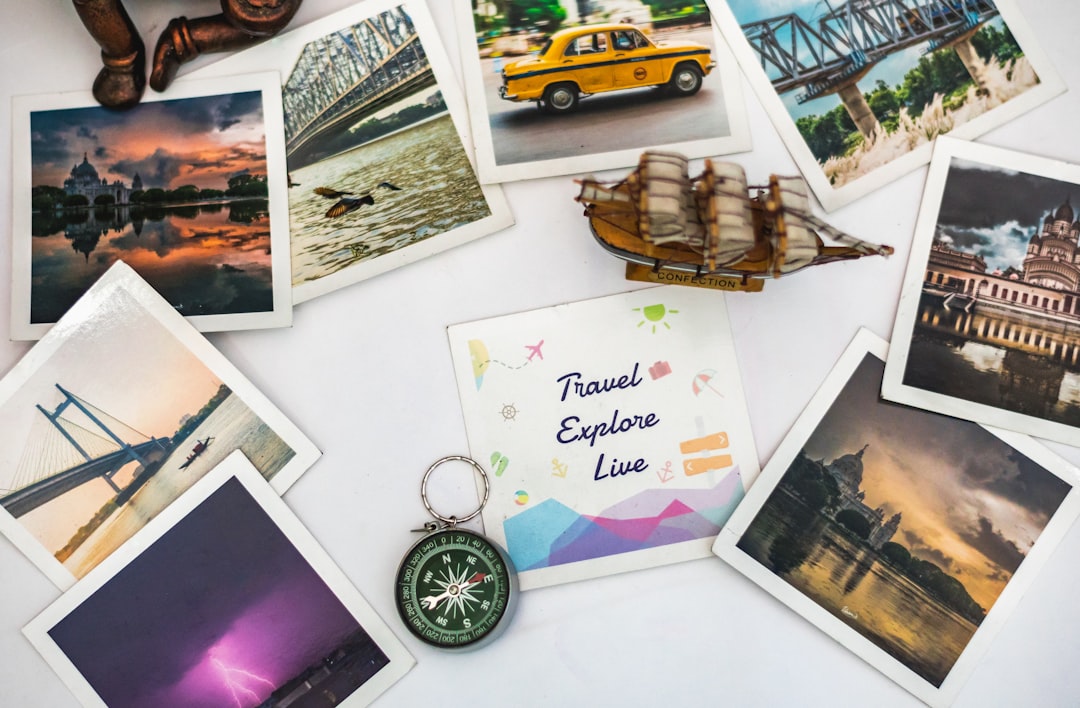
Are you ready to embark on an adventure of a lifetime? Whether you’re a seasoned traveler or a novice explorer, planning a trip can be a daunting task. With so many destinations to choose from, it’s easy to get overwhelmed by the sheer amount of options. But fear not, fellow travelers! With this comprehensive guide, you’ll learn how to plan a trip that’s tailored to your interests, budget, and style. From researching destinations to booking flights and accommodations, we’ll cover it all. So, buckle up and let’s get started on this journey to create an unforgettable travel experience.
Step 1: Research and Destination Selection
The first step in planning a trip is to decide on a destination. With so many amazing places to visit, it’s essential to narrow down your options. Start by thinking about what type of vacation you want: beach relaxation, city exploration, outdoor adventure, or cultural immersion. Consider factors like climate, language, and travel requirements, such as visas or vaccinations. You can use online resources like travel blogs, guidebooks, and social media to get inspiration and insights from fellow travelers. Some popular destinations for beginners include Bali, Thailand, and Costa Rica, while more experienced travelers might opt for Japan, New Zealand, or Italy. Remember to research the best time to visit your chosen destination, taking into account factors like weather, tourist season, and local events.
Step 2: Setting a Budget and Creating an Itinerary
Once you’ve selected your destination, it’s time to set a budget and create an itinerary. Determine how much you’re willing to spend on flights, accommodations, food, and activities. Consider using travel budgeting tools or apps to help you track your expenses. Next, think about how long you want your trip to be and what you want to achieve during that time. Break down your trip into daily activities, including transportation, sightseeing, and downtime. Be sure to leave some room for spontaneity and flexibility, as the best travel experiences often come from unexpected encounters. You can use online travel planners or consult with a travel agent to help you create a personalized itinerary. Some popular travel planning tools include Google Trips, TripIt, and Rome2rio.
Step 3: Booking Flights and Accommodations
With your itinerary in place, it’s time to book your flights and accommodations. Compare prices across different airlines, online travel agencies, and meta-search engines like Skyscanner, Kayak, or Expedia. Consider factors like flight duration, layovers, and baggage fees when choosing your flights. For accommodations, look into hotels, hostels, vacation rentals, or boutique hotels, depending on your budget and preferences. You can use booking platforms like Booking.com, Airbnb, or Hotels.com to find the best deals. Be sure to read reviews and check the cancellation policies before making a booking. Additionally, consider purchasing travel insurance to protect yourself against unforeseen circumstances like trip cancellations or medical emergencies.
Step 4: Planning Activities and Transportation
Now that you have your flights and accommodations booked, it’s time to plan your activities and transportation. Research the top attractions and experiences in your destination, such as museums, landmarks, or outdoor activities. Use online resources like TripAdvisor, Lonely Planet, or travel blogs to get recommendations and tips from fellow travelers. Consider purchasing a sightseeing pass or guided tour to help you make the most of your time. For transportation, look into public transportation options like buses, trains, or subways, or consider renting a car or bike. You can use mapping apps like Google Maps or Waze to navigate your destination and find the best routes.
Step 5: Finalizing Your Trip
The final step in planning a trip is to finalize your preparations. Check the entry requirements for your destination, including visas, passports, and travel documents. Make sure you have all the necessary vaccinations and medications, and consult with your doctor if you have any health concerns. Purchase travel gear, such as a backpack, luggage, or travel adapter, and pack essential items like clothing, toiletries, and electronics. Consider using packing apps like PackPoint or Travel List to help you stay organized. Finally, make sure you have a plan in place for emergencies, such as a list of emergency contacts, a first-aid kit, and a backup plan for unexpected situations.
In conclusion, planning a trip requires careful research, budgeting, and organization. By following these steps, you’ll be well on your way to creating an unforgettable travel experience. Remember to stay flexible, be open-minded, and enjoy the journey. With the right mindset and preparation, you’ll be ready to take on any destination and make the most of your trip. So, where will your next adventure take you? Start planning today and get ready to explore the world!
Key takeaways:
- Research destinations and consider factors like climate, language, and travel requirements
- Set a budget and create an itinerary, including daily activities and transportation
- Book flights and accommodations in advance, using online travel agencies and meta-search engines
- Plan activities and transportation, including sightseeing passes and guided tours
- Finalize your preparations, including entry requirements, travel gear, and emergency plans
By following these tips and staying informed, you’ll be well on your way to planning a trip that’s tailored to your interests, budget, and style. Happy travels!