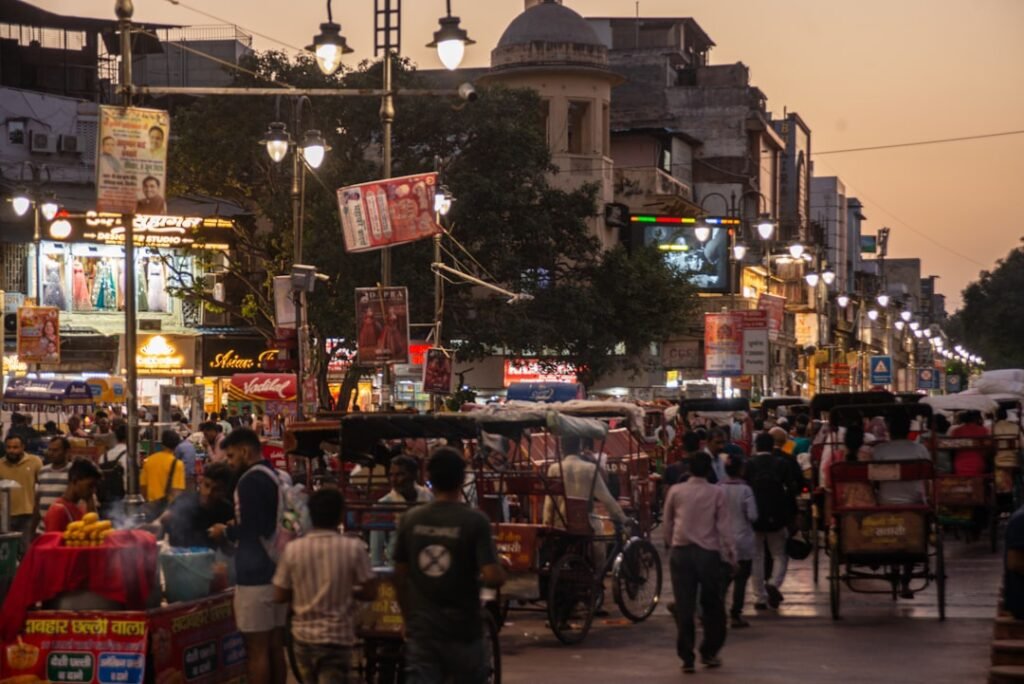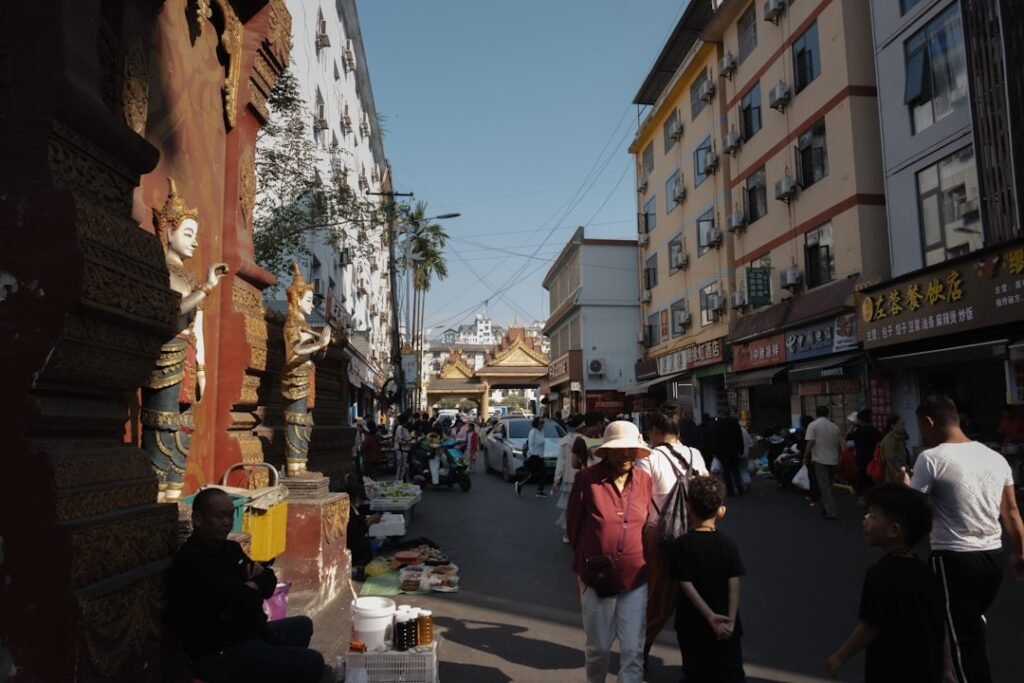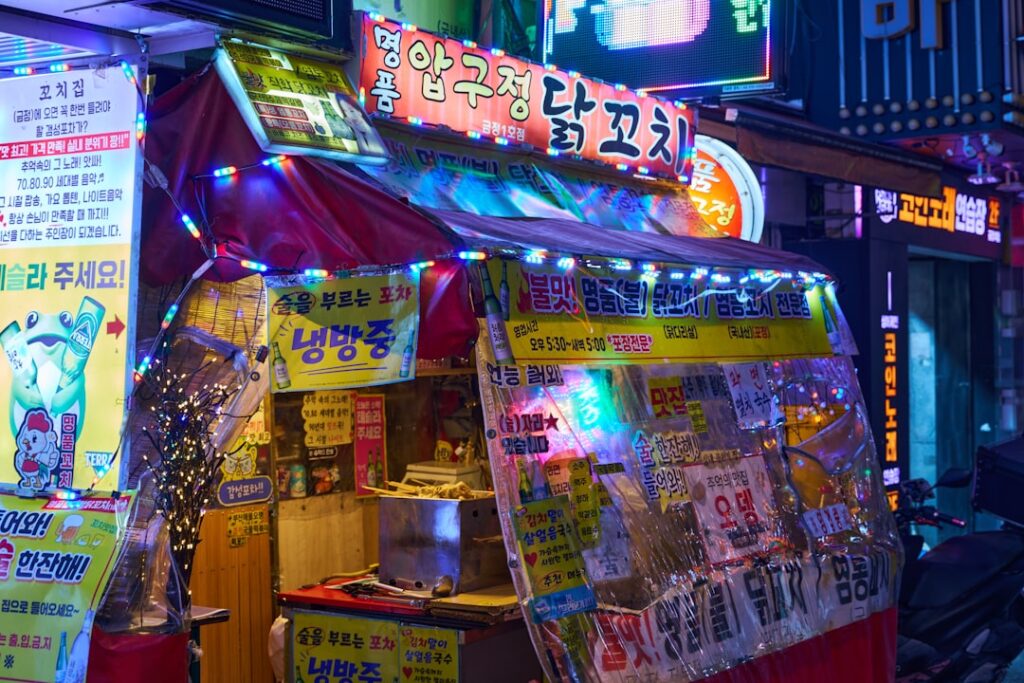
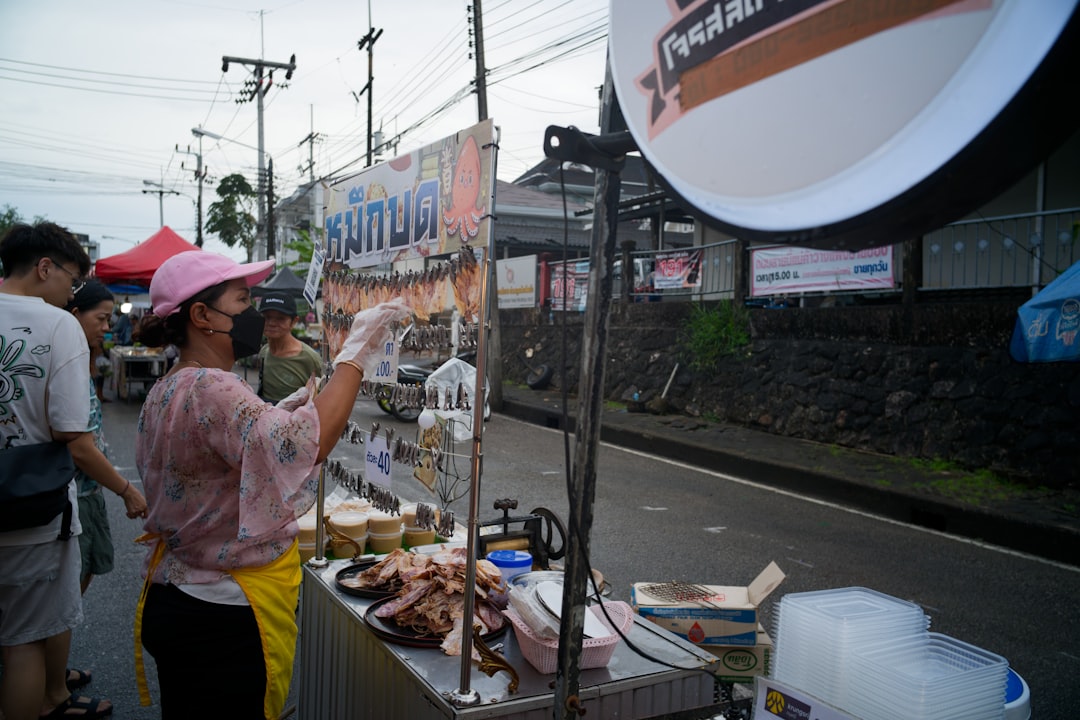
Are you ready to embark on a gastronomic journey that will take you to the most vibrant and bustling food markets around the globe? From the spicy aromas of Asian street food to the rich flavors of European delicacies, food markets are a treasure trove of culinary delights that will tantalize your taste buds and leave you craving for more. In this blog post, we’ll take you on a tour of the top food markets to visit, highlighting the must-try dishes, local ingredients, and cultural experiences that make each market unique.
Exploring the World’s Most Famous Food Markets
Food markets have been a staple of human culture for centuries, providing a platform for local farmers, artisans, and chefs to showcase their products and share their passion for food. Some of the most famous food markets in the world include the Borough Market in London, the Mercado de San Miguel in Madrid, and the Tsukiji Fish Market in Tokyo. These markets offer a wide range of culinary experiences, from sampling artisanal cheeses and craft beers to watching live cooking demonstrations and learning about traditional cooking techniques.
One of the highlights of visiting a food market is the opportunity to try authentic, locally-sourced ingredients and dishes that are often unavailable elsewhere. For example, at the Pike Place Market in Seattle, you can sample fresh seafood, including Dungeness crab, oysters, and salmon, while at the Campo de’ Fiori market in Rome, you can indulge in delicious Italian delicacies like prosciutto di Parma, Parmigiano-Reggiano cheese, and freshly baked pizza. Whether you’re a foodie, a chef, or just a curious traveler, visiting a food market is an experience that will leave you inspired and eager to try new flavors and ingredients.
Discovering Hidden Gems and Local Favorites
While famous food markets like the ones mentioned above are definitely worth visiting, there are many hidden gems and local favorites that are often overlooked by tourists. For example, the Marché aux Puces de Saint-Ouen in Paris is a flea market that also features a variety of food stalls, including artisanal bakeries, charcuteries, and fromageries. Similarly, the Night Market in Chiang Mai, Thailand, offers a wide range of street food, including pad thai, mango sticky rice, and grilled pork skewers.
To discover these hidden gems, it’s essential to do your research and talk to locals, who can provide you with insider tips and recommendations. You can also use online resources like food blogs, social media, and review sites to find out about the best food markets and stalls to visit. Additionally, consider visiting markets during the off-season or on weekdays, when they are less crowded and you can have a more authentic experience.
Food Market Etiquette and Tips for Visiting
Visiting a food market can be overwhelming, especially if you’re not familiar with the local culture and customs. To make the most of your experience, it’s essential to follow some basic etiquette rules and tips. For example, always try to sample food before buying, and don’t be afraid to ask vendors about the ingredients, prices, and preparation methods. Additionally, be respectful of the vendors and their products, and try to learn a few basic phrases in the local language, such as “hello,” “thank you,” and “how much?”
Another important tip is to come hungry and be prepared to try new things. Food markets are a great opportunity to step out of your comfort zone and sample dishes and ingredients that you may not have tried before. Don’t be afraid to ask for recommendations or to try a small portion of something before committing to a larger purchase. Finally, be sure to bring cash, as not all vendors may accept credit or debit cards, and have a plan for how you will transport your purchases, especially if you’re planning to buy perishable items.
The Cultural Significance of Food Markets
Food markets are more than just a place to buy and sell food; they are also an integral part of the local culture and community. They provide a platform for socializing, networking, and building relationships between vendors, customers, and other stakeholders. In many cities, food markets are also an important part of the local economy, providing employment and income opportunities for thousands of people.
Furthermore, food markets play a critical role in preserving traditional cooking techniques, ingredients, and recipes, which are often passed down from generation to generation. They also provide a platform for innovation and creativity, as chefs and vendors experiment with new ingredients, flavors, and presentation styles. By visiting a food market, you are not only supporting the local economy and community but also contributing to the preservation of culinary heritage and cultural diversity.
Conclusion and Key Takeaways
In conclusion, visiting a food market is a culinary adventure that will take you on a journey of discovery, exploration, and indulgence. Whether you’re a foodie, a chef, or just a curious traveler, food markets offer a unique and unforgettable experience that will leave you inspired and eager to try new flavors and ingredients. To make the most of your experience, be sure to do your research, talk to locals, and follow basic etiquette rules and tips.
Some key takeaways from this blog post include:
- Food markets are a treasure trove of culinary delights, offering a wide range of authentic, locally-sourced ingredients and dishes.
- Famous food markets like Borough Market, Mercado de San Miguel, and Tsukiji Fish Market are worth visiting, but don’t overlook hidden gems and local favorites.
- To discover the best food markets and stalls, do your research, talk to locals, and use online resources like food blogs, social media, and review sites.
- Follow basic etiquette rules and tips, such as trying food before buying, being respectful of vendors, and learning a few basic phrases in the local language.
- Food markets are an integral part of the local culture and community, providing a platform for socializing, networking, and building relationships, as well as preserving traditional cooking techniques, ingredients, and recipes.
By following these tips and insights, you’ll be well on your way to a culinary adventure that will leave you with unforgettable memories and a newfound appreciation for the diversity and richness of global cuisine. So why wait? Start planning your next food market visit today and get ready to savor the flavors of the world!