
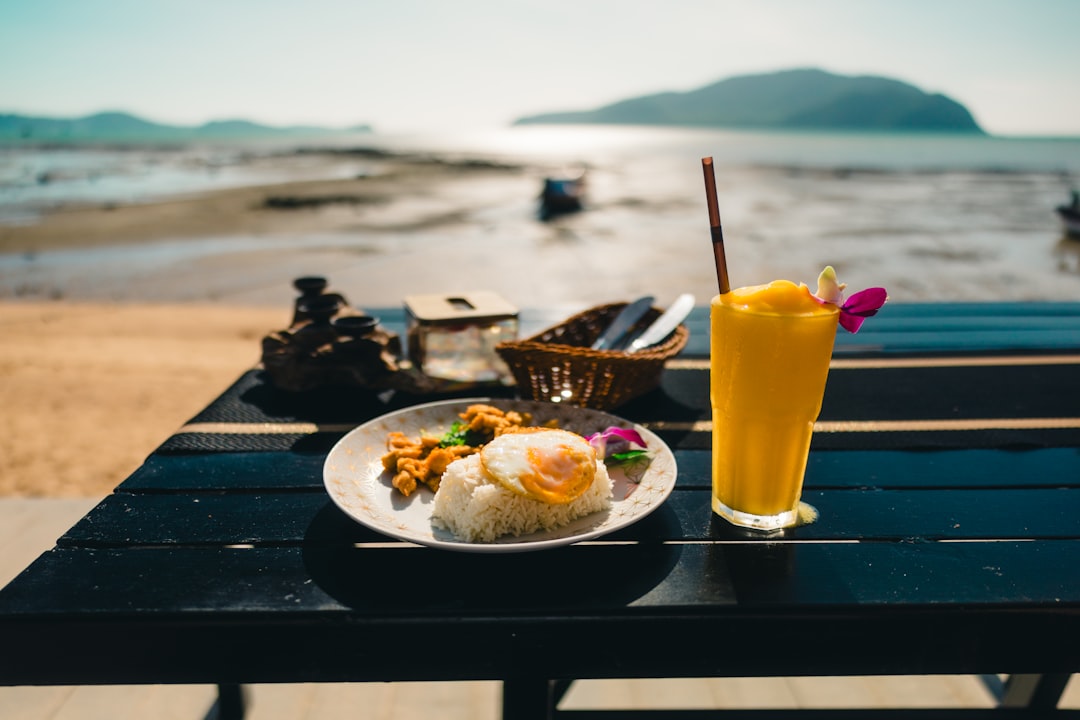
As you step off the plane in a foreign land, the aromas of exotic spices and fresh local ingredients envelop you, teasing your taste buds and setting the tone for an unforgettable culinary adventure. For many travelers, food is an integral part of the journey, a way to immerse themselves in the local culture and create lasting memories. Whether you’re a seasoned foodie or just a curious explorer, the world of travel and food is a treasure trove of flavors, traditions, and experiences waiting to be discovered. In this post, we’ll embark on a gastronomic journey to explore the intersection of travel and food, highlighting the best destinations, dishes, and tips for making the most of your culinary travels.
Discovering Local Cuisine: A Key to Authentic Travel Experiences
One of the most rewarding aspects of traveling is the opportunity to delve into the local cuisine, which often reflects the history, geography, and cultural heritage of a place. From the spicy curries of India to the rich pasta dishes of Italy, each region boasts its unique flavors and cooking techniques, shaped by the availability of ingredients, cultural traditions, and historical influences. To truly experience the local cuisine, consider visiting local markets, food stalls, and family-run restaurants, where you can sample authentic dishes and interact with the people who prepare them. For instance, in Japan, a visit to the Tsukiji Fish Market in Tokyo is a must for sushi lovers, offering a fascinating glimpse into the country’s seafood culture and the chance to sample the freshest sushi you’ve ever had.
When exploring local cuisine, it’s essential to be adventurous and open-minded, as some dishes may challenge your palate or push you out of your comfort zone. However, this is also where the magic happens, as you discover new flavors, textures, and aromas that expand your culinary horizons. To make the most of your culinary adventures, consider taking a cooking class or food tour, which can provide valuable insights into the local ingredients, cooking techniques, and cultural context of the dishes you’re trying. With the rise of food tourism, many destinations now offer guided culinary experiences, from wine tastings in Tuscany to street food tours in Bangkok, making it easier than ever to immerse yourself in the local food scene.
Food and Travel Destinations: A World of Flavors Awaits
With so many incredible food destinations around the world, it can be challenging to decide where to go next. Some of the most renowned culinary hotspots include Paris, known for its exquisite pastries and fine dining; New Orleans, famous for its jazz-infused Creole cuisine; and Bangkok, a street food paradise with a dizzying array of dishes to try. However, there are also many lesser-known destinations that offer a unique and unforgettable culinary experience, such as the food trucks of Austin, Texas, the seafood restaurants of Lisbon, or the traditional taverns of Greece.
When choosing a food and travel destination, consider the local ingredients, cooking techniques, and cultural traditions that shape the cuisine. For example, if you’re a fan of seafood, consider visiting a coastal town like Cinque Terre in Italy or the Algarve in Portugal, where you can sample the freshest seafood and enjoy the stunning ocean views. If you prefer spicy food, head to Korea or Szechuan province in China, where you can indulge in bold, aromatic dishes that will leave you craving for more. With the help of travel guides, food blogs, and social media, it’s easier than ever to research and plan your culinary adventures, ensuring that you make the most of your time and money.
Food Safety and Etiquette: Essential Tips for Culinary Travelers
While exploring the local cuisine is a highlight of any trip, it’s essential to prioritize food safety and etiquette to avoid any unpleasant experiences. When trying street food or eating at local restaurants, make sure to choose vendors or establishments that are popular with locals and have a good reputation. Avoid eating undercooked meat, raw vegetables, or unpasteurized dairy products, which can pose a risk to your health. Additionally, be mindful of local customs and traditions surrounding food, such as removing your shoes before entering a Japanese restaurant or using your right hand when eating with your hands in India.
To further minimize the risk of foodborne illness, consider packing a travel-sized kit with essentials like hand sanitizer, antibacterial wipes, and a water filter or purification tablets. It’s also a good idea to research any local health concerns or outbreaks before your trip and take necessary precautions to stay safe. When interacting with local food vendors or restaurant staff, be respectful and courteous, learning a few basic phrases in the local language to show your appreciation for their culture and cuisine. By being mindful of food safety and etiquette, you can enjoy a worry-free and enriching culinary experience, creating lasting memories of your travels.
Culinary Travel Planning: Tips and Resources for Foodies
With so many amazing food destinations and experiences to explore, planning a culinary trip can be overwhelming, especially for those new to food travel. To get started, consider your interests, budget, and travel style, as well as the time of year and local events that may impact your trip. Research your destination thoroughly, reading travel guides, food blogs, and social media to get a sense of the local cuisine, restaurants, and food scene. Look for recommendations from fellow travelers, food critics, and local experts, and make a list of must-try dishes and restaurants to visit.
When booking your trip, consider working with a travel agent or tour operator specializing in food and wine travel, who can provide valuable insights and arrange exclusive culinary experiences. Many tour operators now offer food-themed tours, from wine tastings in Bordeaux to cooking classes in Thailand, which can be a great way to meet fellow foodies and enjoy a hassle-free culinary adventure. Additionally, look for travel apps, websites, and social media groups dedicated to food travel, where you can connect with other travelers, share recommendations, and get inspiration for your next culinary journey.
In conclusion, the world of travel and food is a vibrant and dynamic tapestry, woven from the threads of culture, history, and geography. By embracing the local cuisine, exploring new destinations, and being mindful of food safety and etiquette, you can create unforgettable culinary experiences that will leave you with a deeper appreciation for the world’s diverse flavors and traditions. Whether you’re a seasoned foodie or just starting to explore the world of culinary travel, remember to stay curious, be adventurous, and always keep your sense of humor and wonder. With these tips and insights, you’ll be well on your way to savoring the flavors of the world and creating a lifetime of delicious memories.