
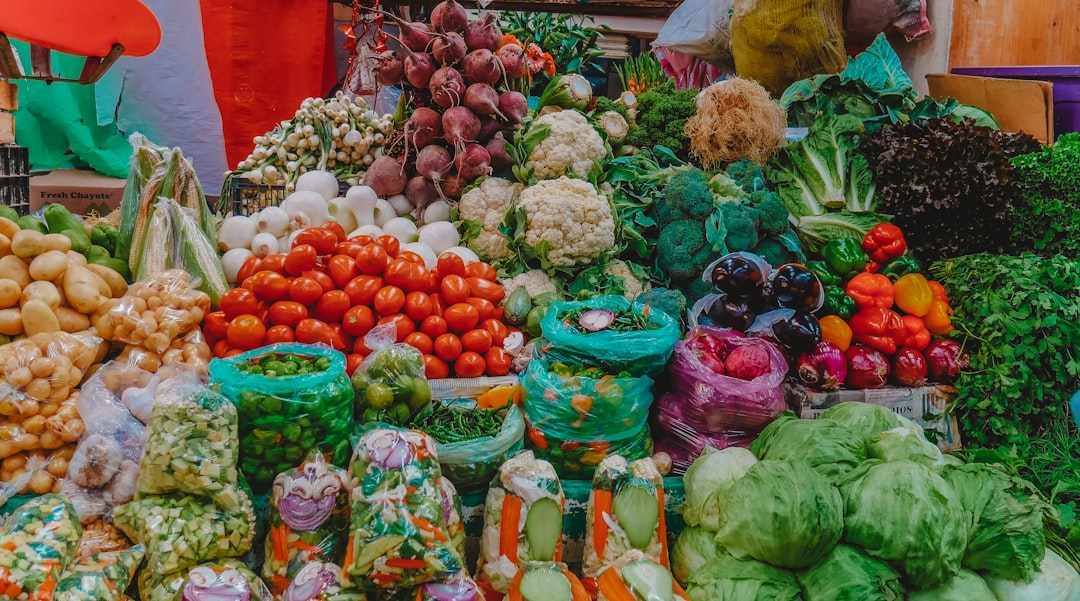
As we wander through the streets of a foreign city, our senses are tantalized by the aromas of exotic spices, the sounds of sizzling street food, and the sights of vibrant markets. Travel and food are inextricably linked, with each destination offering a unique culinary experience that reflects its culture, history, and traditions. Whether you’re a seasoned foodie or a curious traveler, the world is a feast waiting to be explored. In this blog post, we’ll embark on a gastronomic journey to discover the most delicious destinations, must-try dishes, and expert tips for making the most of your culinary adventures.
Discovering Global Cuisines: A Guide to International Flavors
From the spicy curries of India to the rich pasta dishes of Italy, each country has its own distinct culinary identity. When traveling, it’s essential to immerse yourself in the local food scene, trying authentic dishes and drinks that showcase the region’s flavors and ingredients. For example, in Japan, you can sample the delicate art of sushi-making, while in Mexico, you can indulge in the bold flavors of tacos al pastor. To make the most of your culinary explorations, consider the following tips:
-
- Research local specialties and popular restaurants before your trip
- Be adventurous and try new ingredients and dishes
- Learn a few basic phrases in the local language, such as “where can I find the best [dish]?”
- Don’t be afraid to ask for recommendations from locals, fellow travelers, or food bloggers
Some of the most popular culinary destinations include:
-
- Thailand, known for its spicy tom yum soup and fragrant green curry
- Spain, famous for its tapas culture and succulent paella
- Morocco, where the scent of cumin and coriander fills the air, and tagines simmer with tender meat and vegetables
Food Tours and Markets: A Sensory Experience
One of the best ways to experience the local food scene is by taking a guided food tour or visiting bustling markets. These tours offer a behind-the-scenes look at the city’s culinary landscape, introducing you to hidden gems, family-owned eateries, and artisanal producers. You’ll have the opportunity to sample a variety of dishes, from street food to haute cuisine, and learn about the history and cultural context behind each bite.
Some popular food tour destinations include:
-
- New Orleans, where you can sample beignets and gumbo in the French Quarter
- Bangkok, where night markets and street food stalls serve up spicy som tam (papaya salad) and crispy fried insects
- Barcelona, where La Boqueria Market offers a kaleidoscope of colors, flavors, and textures, from fresh produce to cured meats and cheeses
When exploring markets, be sure to:
-
- Arrive early to avoid crowds and long lines
- Bring a reusable bag and water bottle to reduce waste
- Engage with vendors and ask questions about their products and ingredients
- Don’t be shy about trying new foods and flavors – it’s all part of the adventure!
Cooking Classes and Workshops: A Hands-On Approach
For a more immersive culinary experience, consider taking a cooking class or workshop. These interactive sessions allow you to learn the techniques and secrets behind traditional dishes, from the preparation of ingredients to the presentation of the final dish. Not only will you gain new cooking skills, but you’ll also have the opportunity to connect with local chefs, food enthusiasts, and fellow travelers.
Some popular cooking class destinations include:
-
- Italy, where you can learn the art of pasta-making and pizza-crafting
- India, where you can master the intricacies of curry-making and tandoor cooking
- Vietnam, where you can discover the delicate balance of flavors in pho and banh mi
When choosing a cooking class, look for:
-
- Small class sizes and personalized instruction
- Hands-on participation and interactive activities
- Emphasis on local, seasonal ingredients and traditional techniques
- Opportunities to share meals and stories with fellow participants
Food and Travel Safety: Tips for a Healthy and Enjoyable Journey
As we explore the world’s culinary delights, it’s essential to prioritize food and travel safety. Whether you’re trying street food, eating at local restaurants, or cooking in a foreign kitchen, there are steps you can take to minimize risks and ensure a healthy, enjoyable journey.
Some key tips include:
-
- Research local food safety guidelines and regulations
- Wash your hands frequently, especially before eating
- Avoid undercooked meat, raw vegetables, and unpasteurized dairy products
- Stay hydrated and bring a refillable water bottle
- Be mindful of food allergies and intolerances, and inform your tour guides or cooking instructors
By taking these precautions, you can focus on the flavors, aromas, and cultural experiences that make travel and food so rewarding.
Conclusion:
As we conclude our culinary journey, remember that travel and food are intertwined passions that can enrich our lives and broaden our perspectives. By embracing the flavors, traditions, and stories of each destination, we can create unforgettable memories and develop a deeper appreciation for the world’s diverse culinary landscape. Whether you’re a seasoned foodie or a curious traveler, the world is a feast waiting to be explored – so pack your bags, grab your fork, and bon appétit!
Key takeaways:
- Research local specialties and popular restaurants before your trip
- Be adventurous and try new ingredients and dishes
- Take guided food tours or visit bustling markets to experience the local food scene
- Consider cooking classes or workshops for a hands-on culinary experience
- Prioritize food and travel safety to ensure a healthy, enjoyable journey
With these tips and insights, you’ll be well on your way to savoring the flavors of the world and creating unforgettable culinary memories. Happy travels and happy eating!